
The global economy is currently facing a critical bottleneck as the Strait of Hormuz remains semi-closed, sparking an international diplomatic and military mobilization. Since the outbreak of war on February 28, 2026, the vital shipping lane has become a flashpoint of geopolitical tension, severely disrupting the flow of oil and natural gas and triggering a sharp increase in global energy prices according to reports from Sky News Arabia.
The situation has escalated into a broader confrontation over whether Iran can legally impose fees on transit through the Strait of Hormuz or otherwise restrict access to the waterway. Although Tehran maintains its regional authority, the United Kingdom and a coalition of over 40 nations have characterized these actions not as legal regulation, but as an illegal “hijacking” of an international shipping route intended to blackmail the global economy.
As World Editor, I have tracked this unfolding crisis from Sofia, observing how the intersection of maritime law and military posture is now dictating the price of energy for millions. The current standoff is no longer just a regional dispute; it is a direct challenge to the principle of freedom of navigation that underpins global trade.
International Coalition Mobilizes Against ‘Economic Blackmail’
On April 2, 2026, British Foreign Secretary Yvette Cooper convened a high-level video conference involving representatives and foreign ministers from more than 40 countries to address the crisis as reported by Sky News Arabia. During the meeting, Cooper explicitly accused Iran of “recklessness,” stating that the closure of the corridor directly strikes global economic security.
The coalition, which included diplomats from 41 nations, focused on the urgent necessity of restoring freedom of navigation for international shipping via Asharq Al-Awsat. The primary objective of this diplomatic surge is to demonstrate a collective resolve to reopen the strait through the mobilization of all available diplomatic and economic tools.
The UK’s position is clear: the current restrictions are a mechanism for blackmail. By controlling the flow of essential commodities, the UK argues that Iran is effectively holding the global economy hostage, making any attempt to legally justify fees or closures a violation of international maritime norms.
Military Options and the Path to Reopening
Beyond diplomacy, the United Kingdom has begun preparing for operational contingencies. The UK Ministry of Defence announced a military meeting to discuss practical options for reopening the Strait of Hormuz according to Al Arabiya.
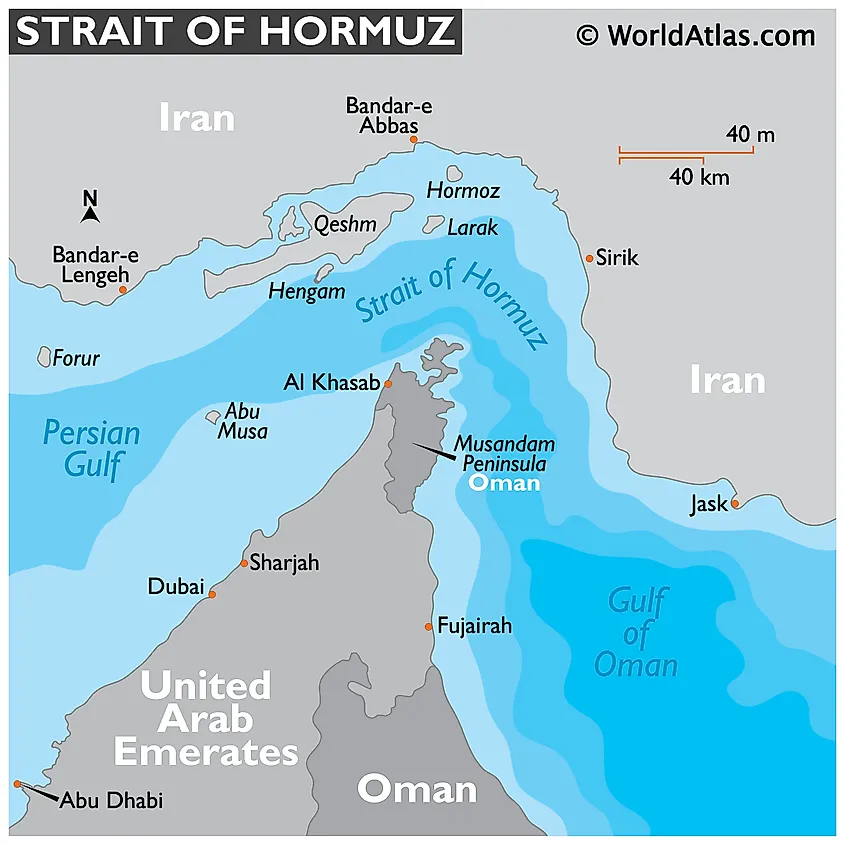
Military planners are currently evaluating several defensive and operational capabilities, including:
- Mine Removal: Assessing the technical requirements to clear the waterway of naval mines to ensure safe passage.
- Joint Defensive Capabilities: Coordinating the gathering of allied military assets to provide security for commercial vessels.
- Reassurance Measures: Implementing procedures to stabilize the region once the immediate conflict subsides.
These military discussions run parallel to the diplomatic efforts, suggesting that the coalition is preparing for a scenario where diplomatic pressure alone may not suffice to end the semi-closure that began on February 28.
Economic Impact: Energy Prices and Global Supply Chains
The semi-closure of the strait has had an immediate and volatile effect on the global markets. Since the Strait of Hormuz is the primary artery for the world’s oil and natural gas supplies, the disruption has led to a sharp spike in energy costs as detailed by Sky News Arabia.
The ability to legally impose fees on transit through the Strait of Hormuz is a point of severe contention. From the perspective of the 40+ nation coalition, any attempt to monetize or restrict this international corridor is an attack on the “economic security” of the world. The ripple effects are felt far beyond the Gulf, impacting manufacturing, transport, and consumer prices globally.
Key Takeaways of the Hormuz Crisis
| Key Event/Metric | Detail |
|---|---|
| Conflict Start Date | February 28, 2026 |
| International Coalition | 40+ countries (led by the UK) |
| Primary Accusation | “Hijacking” for global economic blackmail |
| Economic Impact | Sharp rise in oil and natural gas prices |
| Military Focus | Mine removal and joint defensive capabilities |
The ongoing crisis underscores the fragility of global energy dependence. As the UK and its allies push for a “safe and sustainable” opening of the strait, the world remains watchful of whether diplomatic pressure or military intervention will ultimately restore the freedom of navigation.

The next critical development will be the outcome of the operational reviews conducted by the UK Ministry of Defence and its allies to determine the feasibility of joint military actions to secure the waterway. We will continue to monitor official filings and government announcements from London and Tehran.
Do you believe diplomatic pressure is enough to reopen the strait, or is a military escort for shipping now inevitable? Share your thoughts in the comments below.
Related reading