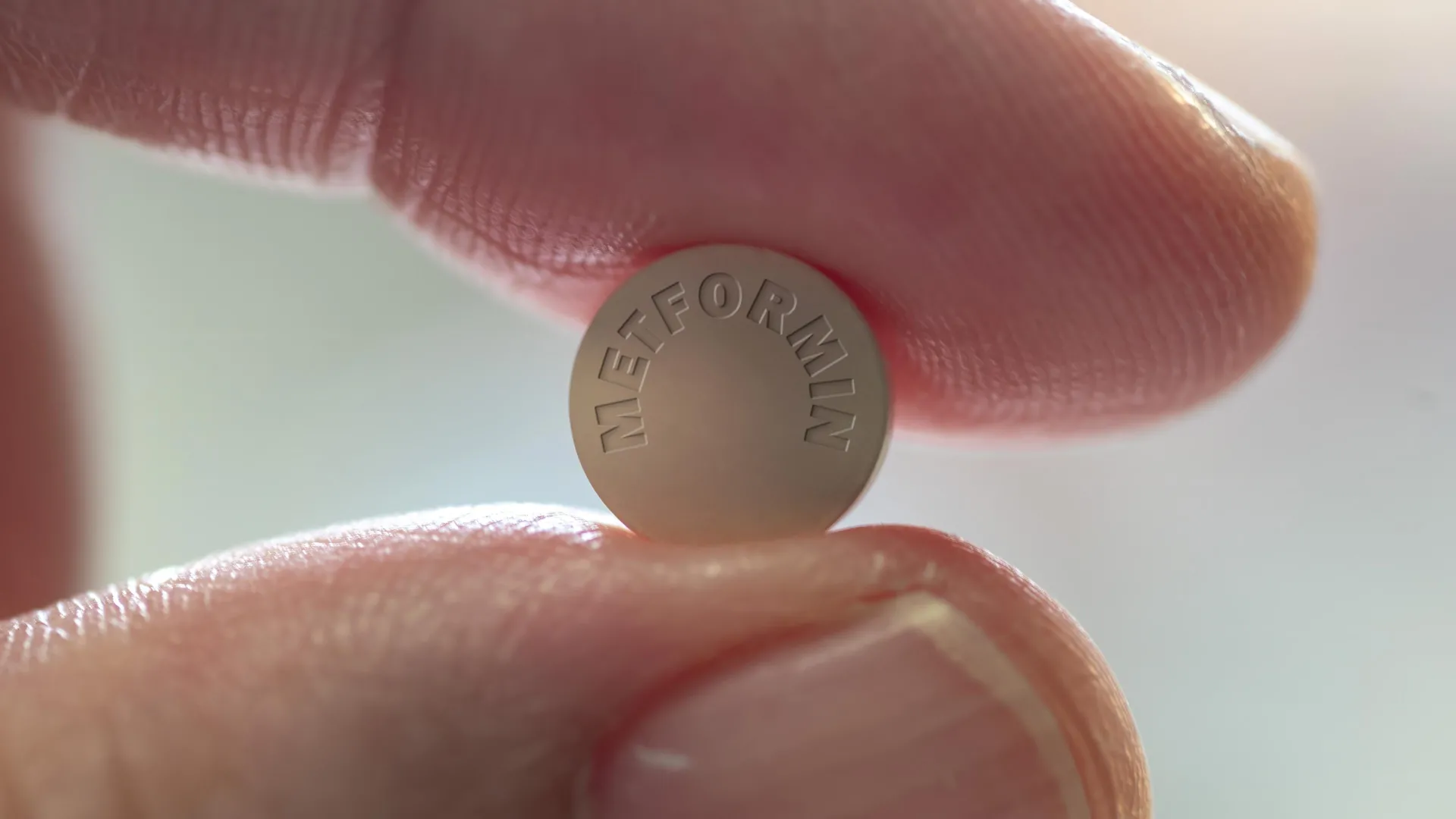
For decades, metformin has been a cornerstone of treatment for type 2 diabetes, prized for its ability to lower blood glucose and its affordability. Now, new clinical evidence is exploring whether this century-old medication can offer similar benefits to those living with type 1 diabetes, potentially helping patients use less insulin while managing their condition.
While type 1 diabetes is characterized by the body’s inability to produce insulin, many adults with the condition likewise develop insulin resistance—a state where the body’s cells do not respond effectively to the hormone. This resistance often necessitates higher doses of exogenous insulin, which can lead to unwanted weight gain and an increased risk of hypoglycemia.
Recent research, including a study published in Nature, has sought to determine if metformin can specifically target this resistance in adults with type 1 diabetes. The findings provide a nuanced look at how the drug interacts with the body’s glucose production and insulin requirements.
Analyzing Metformin’s Impact on Insulin Resistance
In a cross-sectional study involving 40 adults with type 1 diabetes and 20 adults without diabetes, researchers utilized the two-step hyperinsulinemic-euglycemic clamp to measure insulin resistance. The results confirmed that adults with type 1 diabetes exhibited significant insulin resistance across multiple systems: hepatic (endogenous glucose production was 64% higher), muscle (glucose infusion rate was 29% lower) and adipose tissue (indicated by higher non-esterified fatty acids).
Following this, a parallel group, placebo-controlled trial was conducted to observe if metformin could reverse these effects. Twenty participants received 1500 mg of metformin daily, while twenty others received a placebo over a 26-week period. The primary objective was to measure the change in endogenous glucose production (EGP) during the low-dose phase of the clamp.
The results of this specific trial were unexpected. At the 26-week mark, there was no significant difference in the change of EGP between the metformin group and the placebo group, with a mean difference of only 0.2 µmol/kg fat-free mass (FFM)/min (p = 0.53). The researchers concluded that these specific results do not support the prescription of metformin solely to reduce hepatic insulin resistance in adults with type 1 diabetes.
The Broader Clinical Picture: Insulin Dose and Weight
Despite the lack of impact on hepatic insulin resistance in the aforementioned trial, other systematic reviews of randomized controlled clinical trials suggest a different outcome regarding insulin usage. These reviews demonstrate that metformin does reduce the total daily insulin dose required by people with type 1 diabetes (Nature, 2025).

This reduction in insulin requirements is clinically significant because intensive insulin therapy, while essential for preventing complications, is often constrained by two major side effects: hypoglycemia and weight gain. By reducing the amount of insulin needed to maintain stable blood sugar levels, metformin may help stabilize a patient’s weight and reduce the frequency of dangerous glucose drops.
Safety data from the 26-week trial also indicated that the addition of metformin did not lead to an increase in episodes of ketoacidosis or hypoglycemia in either the treatment or placebo groups, suggesting the drug is generally well-tolerated when used as an adjunct therapy.
The REMOVAL Trial: Investigating Cardiovascular Risks
Because cardiovascular disease remains a leading cause of reduced life expectancy for those with type 1 diabetes, researchers have launched a larger-scale effort to see if metformin provides benefits beyond glucose control. The REMOVAL trial (REducing with MetfOrmin Vascular Adverse Lesions in type 1 diabetes) is designed as the largest clinical trial of adjunct metformin therapy in T1D to date (PubMed).
The REMOVAL study focuses on whether metformin can slow the progression of atherosclerosis. The trial targets participants who are at least 40 years vintage, have had type 1 diabetes for at least five years, and possess three or more specified cardiovascular risk factors. The primary endpoint is the progression of the averaged mean far wall common carotid intima-media thickness (cIMT), measured via ultrasonography over 36 months.
By tracking endpoints such as HbA1c, LDL cholesterol, and endothelial function, the REMOVAL trial aims to provide definitive data on whether metformin can impact the long-term vascular health of adults with type 1 diabetes, moving the conversation beyond simple insulin dose reduction to overall life expectancy and heart health.
Key Takeaways on Metformin in Type 1 Diabetes
- Insulin Reduction: Systematic reviews indicate metformin can reduce the total daily insulin dose in type 1 diabetes patients.
- Insulin Resistance: Recent trial data suggests metformin may not significantly reduce hepatic insulin resistance specifically.
- Safety: Evidence shows no increase in hypoglycemia or ketoacidosis when adding metformin to insulin regimens in studied groups.
- Cardiovascular Focus: The REMOVAL trial is currently investigating if the drug can reduce the progression of atherosclerosis.
As research continues, the medical community awaits the full results of the REMOVAL trial to determine if metformin should become a standard adjunct therapy for cardiovascular protection in the type 1 diabetes population. Patients are encouraged to consult their endocrinologists regarding the suitability of adjunct therapies based on their specific risk profiles.

Do you have experience with adjunct therapies for diabetes management? Share your thoughts in the comments below or share this article with your community.
Worth a look