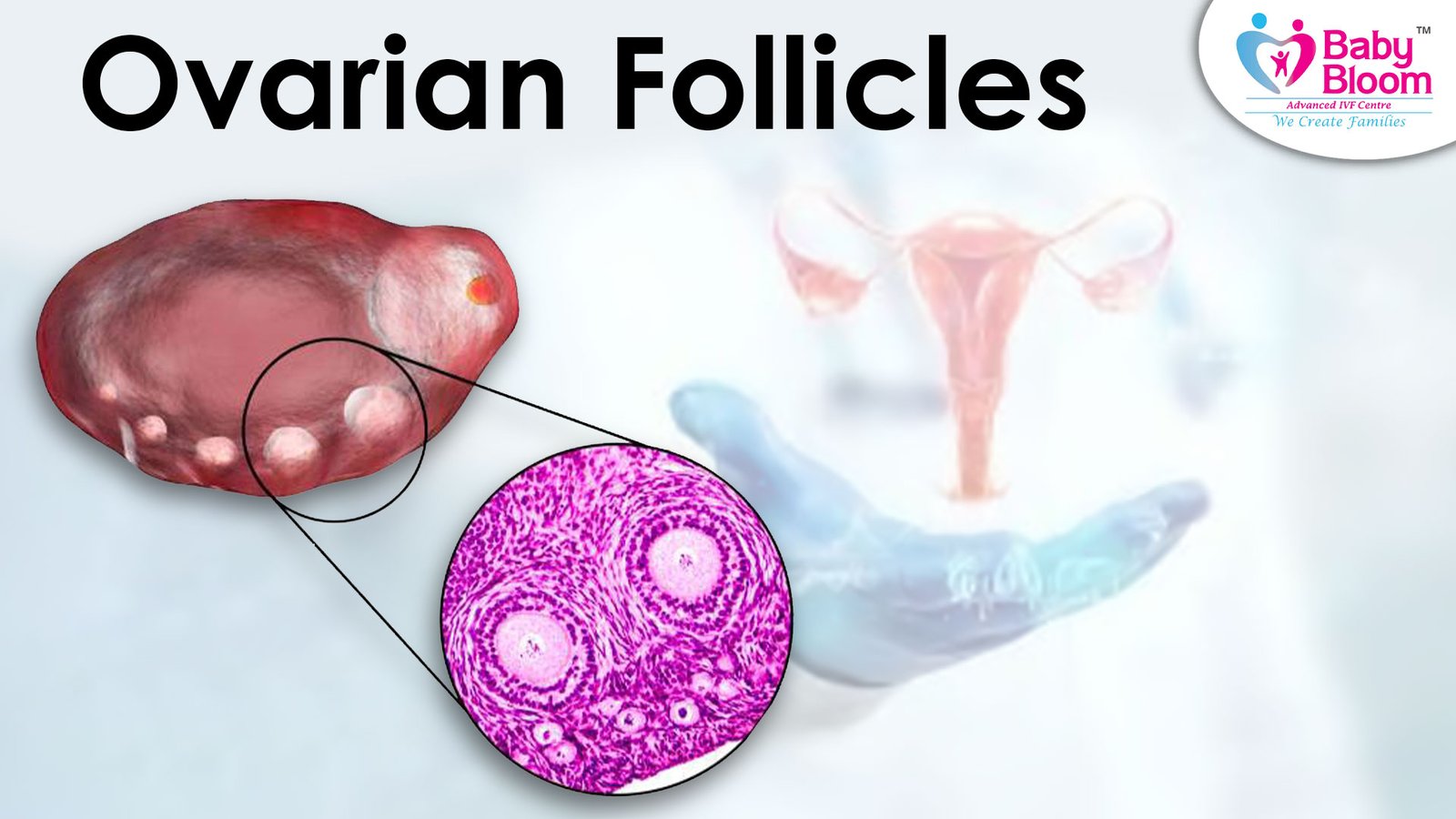
Recent research into ovarian physiology suggests that the decline in fertility associated with aging may be linked to the progressive stiffening of ovarian tissue. Scientists investigating the mechanical properties of the ovary have identified specific protein-mediated processes that contribute to this structural rigidity, offering a potential new target for future reproductive health interventions. While this work remains in the experimental stage, it challenges long-standing assumptions about the biological “shut down” of the ovaries after menopause.
The Mechanics of Ovarian Aging
Recent studies highlight that the microenvironment of the ovary undergoes physical changes. The ovary becomes increasingly stiff as it ages, which impacts the development of healthy oocytes.
This stiffening process is driven by the extracellular matrix. By targeting specific proteins, investigators are exploring whether maintaining tissue suppleness could theoretically extend the functional window of the ovaries.
Challenging the Post-Menopausal Paradigm
A significant shift in reproductive biology involves the understanding of what happens to the ovaries after menopause. Findings suggest that the organ may not be at rest after menopause.
Clinical Limitations and Future Directions
While the prospect of “softening” the ovaries to preserve fertility is an area of inquiry, it is critical to distinguish between laboratory models and human clinical application. There are no approved medical treatments or surgical interventions that can currently reverse ovarian stiffening in human patients to restore or extend fertility.
Ongoing Research and What Comes Next
While these scientific developments are promising for our understanding of reproductive longevity, they remain at the frontier of laboratory science. Please share your thoughts in the comments section below or join the discussion on our social media platforms.
Worth a look