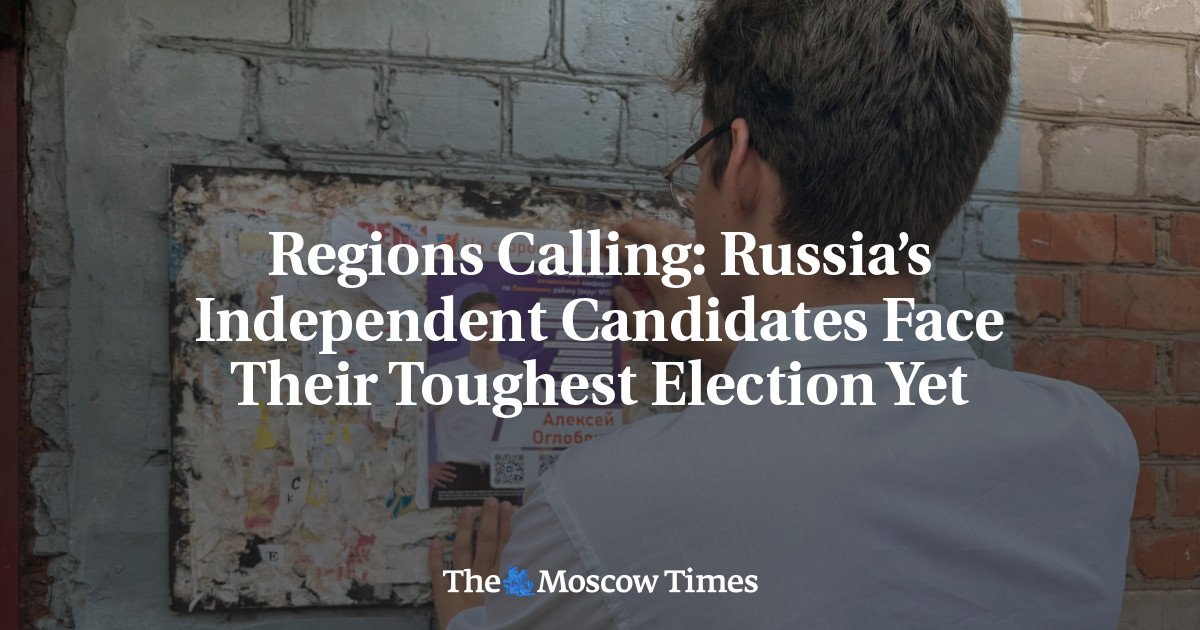
Russia’s upcoming electoral cycle presents a severe test for independent candidates attempting to challenge the entrenched political status quo, as widespread public exhaustion with the economy and the ongoing military campaign collides with rigorous state-level restrictions. According to reports from international monitors and human rights organizations, citizens across the country are grappling with the tangible financial fallout of international sanctions and wartime spending, creating an undercurrent of domestic discontent. Yet, translating that frustration into a viable electoral challenge remains an uphill battle for opposition figures and unaffiliated hopefuls who must navigate a heavily managed political landscape.
Political analysts tracking the region note that while independent figures and local opposition groups aim to capitalize on voter anxiety regarding inflation and the protracted conflict in Ukraine, electoral authorities maintain strict gatekeeping mechanisms. State regulations require rigorous signature collection processes and extensive background vetting, hurdles that have historically sidelined prominent critics of the federal government before they can even secure a place on the ballot. Consequently, the primary challenge for anti-war or reform-minded candidates is not merely winning over a weary electorate, but surviving the administrative and legal filters designed to preserve political stability.
The intersection of wartime economics and domestic governance has altered how everyday Russians view local and regional representation. With federal spending heavily prioritized toward military objectives, municipal budgets face tighter constraints, affecting public services, infrastructure upkeep, and social support programs. Independent candidates frequently center their platforms on these local grievances, arguing that diverted resources directly harm communities. However, state-aligned media and local officials often frame such critiques as unpatriotic or destabilizing, forcing independent hopefuls to carefully weigh their public messaging against stringent censorship laws.
Navigating State-Imposed Electoral Hurdles
For any non-systemic candidate seeking office, the initial phase of the campaign is defined by bureaucratic compliance rather than public debate. Election laws enforced by the Central Election Commission require candidates nominated by non-parliamentary parties or self-nominated individuals to gather thousands of verified signatures from voters within strict timeframes. Human rights groups and independent election monitors, such as Golos, have frequently documented how these signature requirements are used to disqualify viable challengers through technicalities, such as minor discrepancies in voter registry data.
Furthermore, candidates who successfully clear the signature verification stage often encounter severe restrictions on campaign financing and public assembly. Independent hopefuls face limited access to state-controlled television and print media, compelling them to rely primarily on digital platforms and social media networks. Even within the digital sphere, domestic internet regulators enforce strict content controls, routinely blocking websites and social channels associated with opposition figures or critical civil society organizations. These structural imbalances ensure that incumbent politicians and candidates from Kremlin-backed parties retain an overwhelming advantage in visibility and resource allocation.
Public Sentiment and Economic Pressures
Public opinion regarding the country’s economic trajectory remains complex, shaped by a combination of state-subsidized industrial growth and the private burden of rising living costs. Independent polling organizations note that while a significant segment of the population expresses anxiety over inflation, depreciation of the national currency, and labor shortages, overt political dissent is tempered by fear of legal repercussions. Legislation criminalizing the dissemination of what authorities deem false information about the armed forces has created a chilling effect on public criticism of state policy.
Despite these deterrents, local campaigns focusing on bread-and-butter issues—such as failing municipal utilities, healthcare access, and regional wage stagnation—continue to resonate with voters seeking practical alternatives. Independent candidates who ground their appeals in municipal competence rather than direct geopolitical confrontation occasionally find openings to engage disaffected citizens. Yet, the persistent threat of disqualification or targeted harassment means these campaigns operate under constant legal uncertainty, turning every phase of the electoral process into a calculated risk for both the candidates and their supporters.
As election dates approach, domestic watchdogs and international observers continue to monitor administrative actions against prospective challengers. Readers seeking official updates, candidate registries, and regulatory guidelines can consult notices published by the Central Election Commission of the Russian Federation or reports issued by independent election monitoring groups. Engagement with local civic initiatives remains a primary avenue for citizens attempting to track regional ballot developments.
Worth a look