
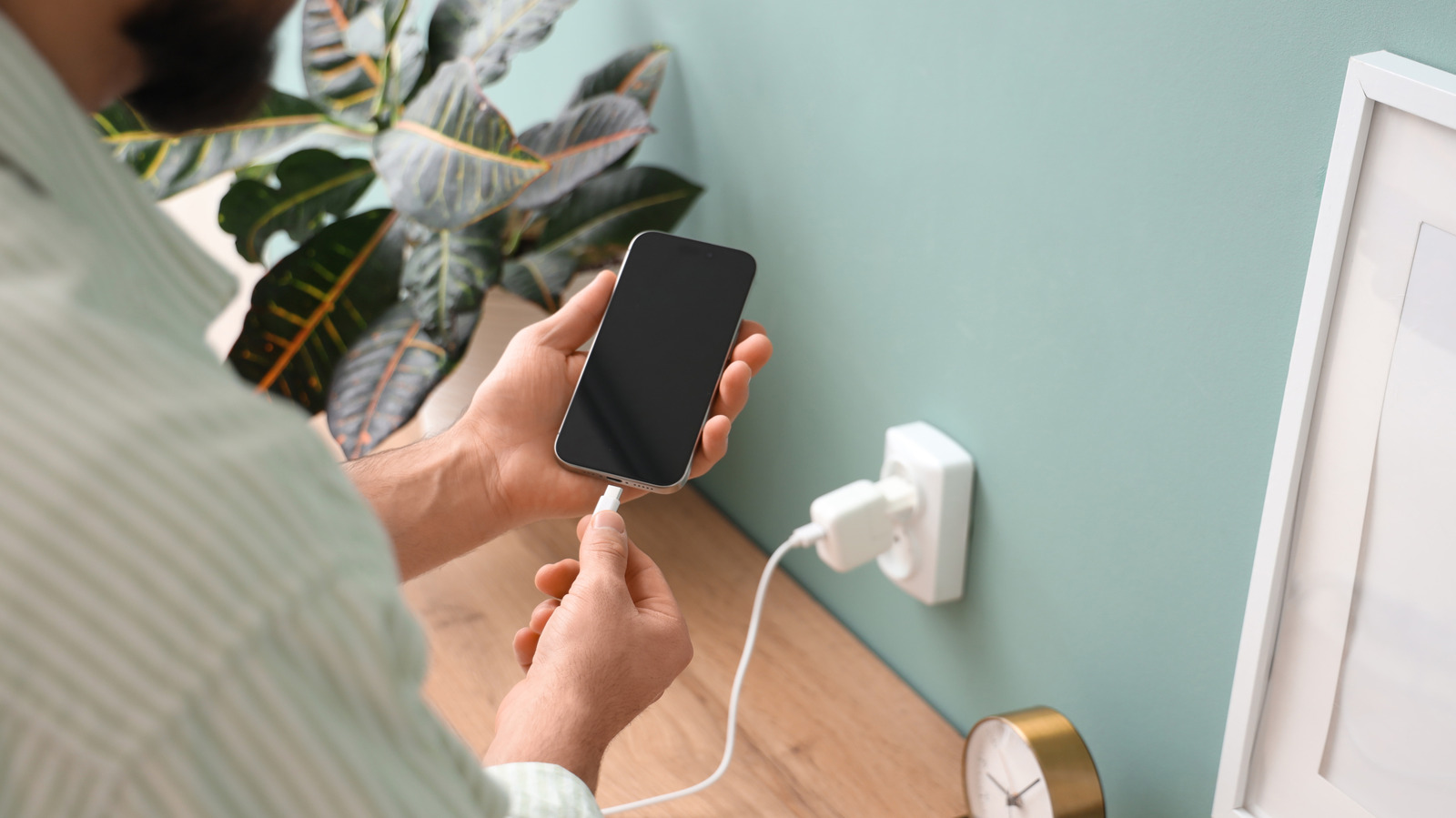
Solar power as a primary source for mobile device charging remains a specialized solution rather than a universal replacement for wall-based power grids, according to current energy efficiency data and consumer electronics standards. While portable photovoltaic technology has achieved significant gains in energy density, the physical constraints of surface area and inconsistent solar irradiance mean that solar-integrated chargers are currently relegated to niche applications, such as emergency preparedness and off-grid recreation, rather than daily smartphone replenishment.
The primary challenge in replacing traditional chargers with solar alternatives lies in the disparity between modern smartphone power requirements and the physical limitations of portable solar panels. Most high-end smartphones require a steady power input, typically ranging from 15W to 45W for “fast charging” protocols, according to industry standards documented by the USB Implementers Forum. To generate this wattage consistently, a portable solar array would require a surface area significantly larger than the footprint of the device itself, making integrated “solar-backed” phones impractical for everyday portability.
The Physics of Solar Charging Limitations
The efficiency of solar cells, or the percentage of sunlight converted into usable electricity, currently averages between 15% and 22% for commercially available monocrystalline silicon panels, as noted by the National Renewable Energy Laboratory (NREL). When applied to the small form factor of a mobile device, this efficiency is insufficient to overcome the power demands of modern processors and high-resolution displays.

Even if a device were encased in high-efficiency photovoltaic glass, the output would be drastically reduced by environmental variables. According to the U.S. Department of Energy, solar panel performance is highly dependent on the “angle of incidence”—the angle at which sunlight hits the panel—and local weather conditions. A phone sitting in a pocket, a bag, or even on a desk away from direct sunlight will see its solar intake drop to near zero. Consequently, current engineering efforts are focused on improving battery energy storage capacity rather than direct, real-time solar charging.
Current Market Applications and Limitations
While direct solar charging for phones is not yet a viable replacement for wall outlets, portable solar banks have carved out a functional role in the outdoor industry. These devices function by charging an internal lithium-ion battery over several hours of exposure, which then discharges that energy into a phone via a standard USB port. This “buffered” approach mitigates the inconsistency of solar power but introduces a weight penalty that most consumers find undesirable for daily use.
The Federal Trade Commission (FTC) has previously warned consumers to be cautious of marketing claims regarding “instant solar charging” for mobile devices. Marketing materials for some third-party accessories often inflate the real-world output of portable panels, failing to account for the conversion losses that occur between the solar cell, the charge controller, and the device’s battery management system.
The Path Forward for Energy Harvesting
Industry researchers are investigating alternatives to traditional solar charging, such as radio-frequency (RF) energy harvesting and ambient light harvesting (ALH). Unlike solar, which requires direct, high-intensity photons, ALH technology focuses on capturing energy from indoor light sources, such as LED and fluorescent bulbs. A study published by the IEEE Xplore Digital Library suggests that while these technologies are currently limited to low-power applications like smart home sensors and wearables, they represent a more realistic trajectory for “battery-less” device operation than large-scale solar integration.
For the average user, the most effective way to reduce reliance on the electrical grid remains the use of high-capacity power banks and optimized power-management software in modern operating systems. As of 2024, no major consumer smartphone manufacturer has announced plans to incorporate primary solar-charging capabilities into their flagship handsets, citing the durability risks of screen-integrated solar cells and the negligible power gains relative to consumer needs.

The next major industry update regarding mobile power efficiency is expected during the upcoming Consumer Electronics Show (CES), where advancements in battery chemistry—rather than solar harvesting—are anticipated to be the primary focus for manufacturers seeking to extend device longevity. Readers interested in the latest developments in mobile power management are encouraged to monitor updates from regulatory bodies like the Consumer Product Safety Commission, which oversees the safety standards for new battery and charging technologies. Please share your thoughts in the comments section below regarding your experiences with portable solar chargers.