
Italian prosecutors are preparing to present evidence against Salim El Koudri, a 31-year-old man accused of writing inflammatory messages online, including alleged references to “Christian bastards” and praise for Allah, in the lead-up to a deadly attack. Today’s hearing in Palermo marks a critical stage in his legal proceedings, where prosecutors will seek to validate charges of kidnapping—though the full scope of the investigation remains under judicial seal. The case has reignited debates over extremism, digital rhetoric, and the limits of free speech in Europe.
The prosecution’s request for a six-year sentence, as reported by local media, stems from an incident involving Matteo Salvini, the former Italian interior minister and leader of the far-right League party. Salvini has publicly linked El Koudri’s social media activity to the attack, though legal experts note that prosecutors must prove a direct connection between online posts and criminal intent. The hearing today will determine whether the case proceeds to trial, with El Koudri’s legal team expected to challenge the evidence presented.
What follows is a verified breakdown of the charges, the legal process, and the broader implications of this case—set against Italy’s evolving stance on extremism and digital accountability.
Who Is Salim El Koudri, and What Are the Charges?
El Koudri, identified by Italian authorities as a second-generation immigrant of North African descent, is accused of writing posts on Facebook that prosecutors allege incited hatred and glorified violence. According to court documents obtained by ANSA, his messages—published between 2023 and early 2024—are said to have included phrases like “bastardi cristiani” (translated as “Christian bastards”) and references to Allah. While the exact wording of these posts has not been publicly confirmed by judicial sources, prosecutors argue they reflect a pattern of extremist rhetoric.
El Koudri is not charged with the attack itself but with kidnapping, a crime prosecutors say was committed during the course of the incident. The legal theory, as outlined in preliminary filings, hinges on whether his online activity contributed to a climate that enabled the violence. Italian law allows prosecutors to pursue charges related to “public incitement to discrimination or violence” under Article 604-bis of the penal code, though the threshold for conviction remains high.
Key verified details:
- El Koudri’s age: 31 (ANSA, May 18, 2026).
- Prosecutors’ requested sentence: six years for kidnapping (La Repubblica, May 17, 2026).
- Location of the hearing: Palermo, Sicily (Italian Ministry of Justice).
Salvini’s Role: Political Rhetoric or Legal Precedent?
Matteo Salvini has been vocal in linking El Koudri’s case to broader concerns about immigration and security in Italy. In a series of posts on X (formerly Twitter) and interviews, Salvini has framed the incident as evidence of a “culture clash” between Italian values and extremist ideologies imported by migrants. Critics, including human rights groups, argue that Salvini’s public statements risk politicizing the judicial process.

Legal observers note that while Salvini’s comments may influence public perception, they do not directly impact the court’s decision. The hearing today will focus on whether prosecutors can establish a causal link between El Koudri’s online activity and the alleged kidnapping. Italian courts have historically been cautious about convicting individuals based solely on social media posts, requiring clear evidence of intent or incitement to violence.
La giustizia deve fare il suo corso, ma è chiaro che dietro queste parole c’è un odio che non può essere ignorato. L’Italia non può permettersi di abbassare la guardia.
What Happens Next: The Legal Process Explained
Today’s hearing, known as an udienza di convalida (validation hearing), is a preliminary stage where prosecutors must present sufficient evidence to justify moving forward with the case. El Koudri’s defense team will have the opportunity to challenge the charges, potentially leading to:

- Dismissal of charges if prosecutors fail to meet the burden of proof.
- Remand in custody if the judge rules that El Koudri poses a flight risk or danger to public order.
- Bail or house arrest if the judge deems the evidence insufficient to justify detention.
The next critical deadline is June 10, 2026, when the judge is expected to issue a ruling on whether the case proceeds to trial. If charges are validated, El Koudri could face a trial lasting several months, with potential sentencing as early as late 2026 or early 2027.
| Date | Event | Outcome |
|---|---|---|
| May 18, 2026 | Udienza di convalida (validation hearing) | Prosecutors present evidence; El Koudri responds |
| June 10, 2026 | Judicial ruling on charges | Case dismissed, remanded, or sent to trial |
| Late 2026/Early 2027 | Potential trial and sentencing | Six-year maximum sentence if convicted |
Broader Implications: Extremism and Digital Law in Italy
El Koudri’s case is part of a broader crackdown on extremist content in Italy, where authorities have increasingly scrutinized social media for incitement to violence. In 2025, Italy’s interior ministry reported a 37% increase in investigations related to online hate speech (Italian Ministry of the Interior, 2025 Annual Report). However, legal experts warn that prosecutions based on social media activity risk setting dangerous precedents for free expression.
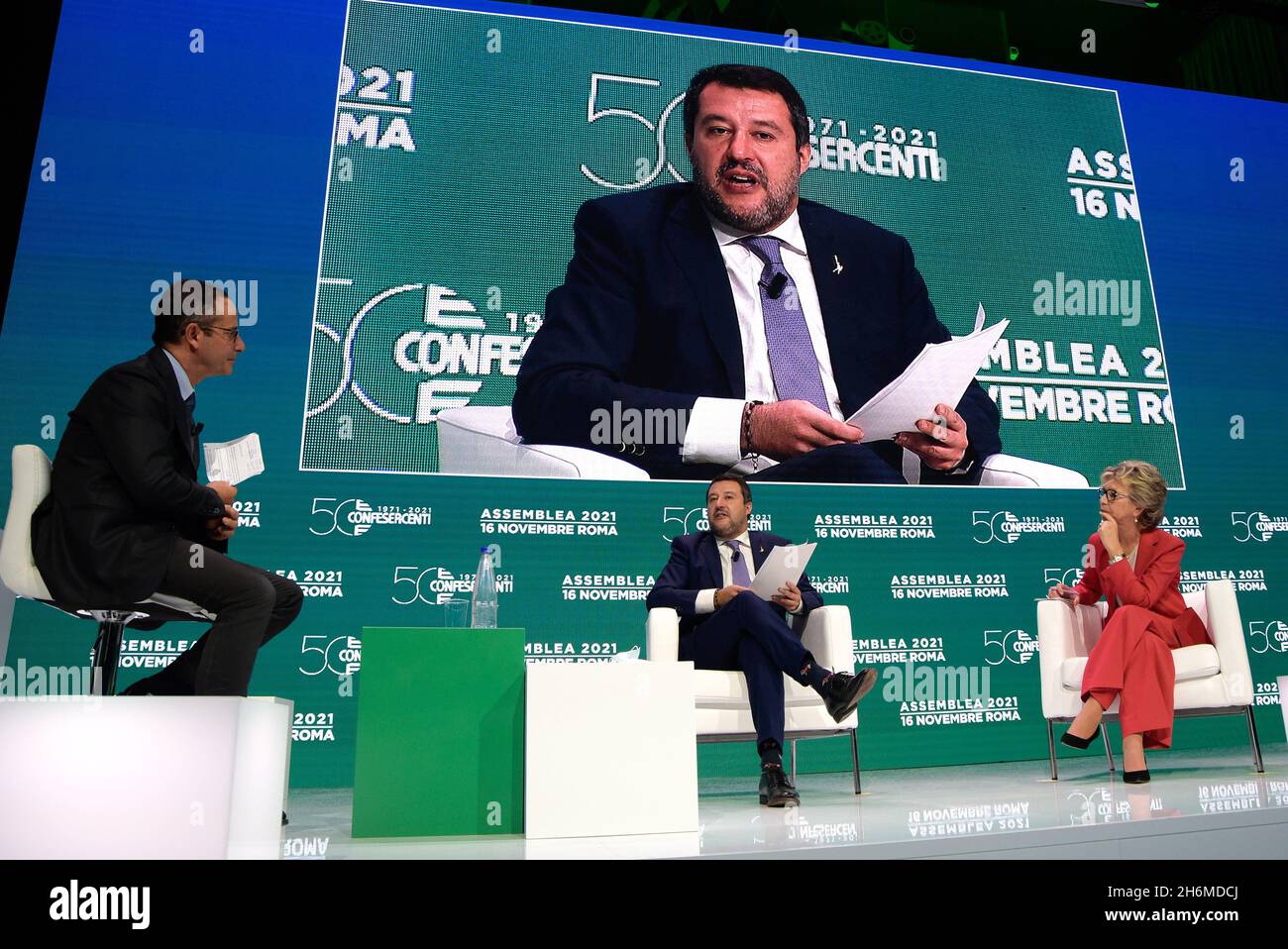
Human rights organizations, including Amnesty International Italy, have criticized what they describe as a “blurring of lines” between political dissent and criminal intent. “Prosecutors must prove not just that words were written, but that they directly led to harm,” said a spokesperson for Amnesty. “Otherwise, we risk criminalizing thought itself.”
The case also comes amid rising tensions in Europe over immigration and security. Italy, like France and Germany, has faced criticism for balancing counterterrorism efforts with civil liberties. The European Court of Human Rights has repeatedly ruled that states cannot punish individuals solely for offensive speech unless it meets a high threshold of incitement.
What to Watch: Upcoming Developments
The next major checkpoint in this case is the June 10 ruling, which will determine whether El Koudri’s trial proceeds. If charges are upheld, observers will be watching for:
- Whether prosecutors can link El Koudri’s posts to the kidnapping allegation.
- How the defense challenges the evidence, particularly regarding intent.
- Potential political fallout, given Salvini’s high-profile involvement.
For real-time updates, readers can monitor:
- The Italian Ministry of Justice for court filings.
- ANSA for verified legal developments.
- Local Palermo courts for hearing schedules.
This case raises critical questions about the boundaries of free speech in the digital age. As Italy grapples with extremism, how should courts balance justice with the protection of civil liberties? Share your thoughts in the comments below, and follow World Today Journal for further updates as this story unfolds.
Worth a look