The Canadian economic landscape is currently navigating a period of profound uncertainty, as market observers and policymakers grapple with data that paints a complex picture of growth, stagnation, and the persistent threat of a technical recession. While the term “technical recession”—often defined as two consecutive quarters of negative GDP growth—serves as a useful shorthand for analysts, the reality for households and businesses across the country is far more nuanced, marked by high interest rates, shifting consumer behavior, and a labor market that continues to defy traditional expectations.
As we assess the current state of the Canadian economy, It’s essential to distinguish between the technical definition of a contraction and the lived experience of inflation and debt servicing. According to the latest data from Statistics Canada, the nation’s real gross domestic product (GDP) edged up 0.3% in the first quarter of 2024, following a period of near-stagnation in late 2023. This modest recovery highlights the precarious balance between cooling inflation and the risk of overtightening monetary policy.
The Monetary Policy Tug-of-War
At the heart of the current economic climate is the Bank of Canada’s mandate to restore price stability. After an aggressive cycle of interest rate hikes intended to combat post-pandemic inflation, the central bank has begun to signal a shift in its stance. In June 2024, the Bank of Canada reduced its overnight rate by 25 basis points to 4.75%, marking the first such move in four years, as noted in the Bank of Canada’s official press release. This decision reflects a growing confidence that inflation is moving closer to the 2% target, though officials remain cautious about the path ahead.
The challenge for Governor Tiff Macklem and his team is to navigate a “soft landing”—a scenario where inflation is brought under control without triggering a sharp downturn in employment or a prolonged recession. The high-interest-rate environment has undoubtedly pressured Canadian households, particularly those renewing mortgages at significantly higher rates than they saw during the pandemic-era lows. This structural shift in debt servicing costs acts as a drag on discretionary spending, which traditionally drives a significant portion of the national economy.
Labor Market Resilience and Structural Shifts
One of the most surprising elements of the current economic cycle has been the relative resilience of the labor market. Despite widespread discussions of a potential recession, employment numbers have remained surprisingly robust. However, beneath the surface, You’ll see signs of cooling. The Labour Force Survey, released periodically by Statistics Canada, indicates that while the unemployment rate has seen a gradual upward trend, it remains within a range that suggests the economy is adjusting rather than collapsing.
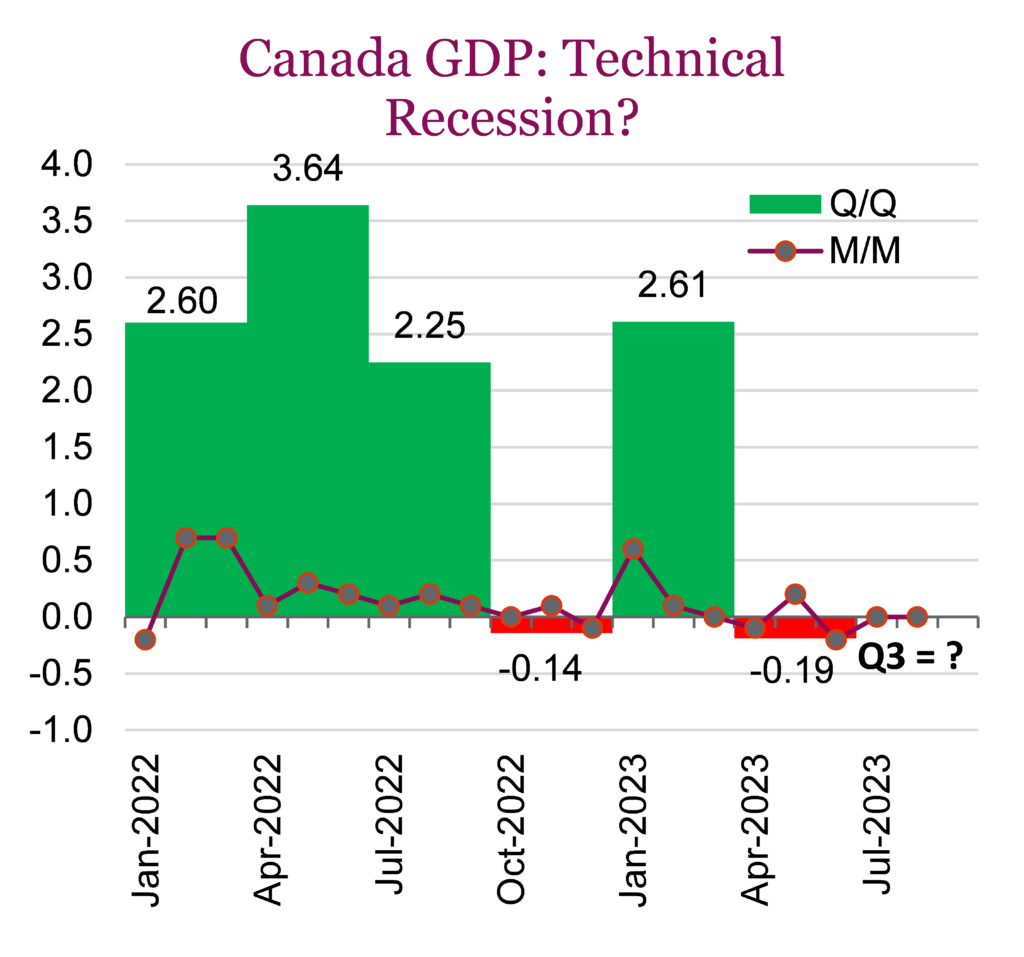
The divergence between GDP growth and employment data is a key point of analysis for economists. Some suggest that population growth, driven by record levels of immigration, is artificially bolstering demand and labor supply, thereby masking the underlying weakness in per-capita GDP. As noted in reports by the International Monetary Fund (IMF), Canada’s reliance on high population growth to drive headline economic figures presents both opportunities and risks, particularly concerning housing affordability and infrastructure capacity.
Key Takeaways for the Canadian Economy
For investors, entrepreneurs, and the general public, understanding the current economic trajectory requires looking beyond the headlines of a “technical recession.” The following points summarize the current environment:
- Monetary Easing: The Bank of Canada has initiated a cycle of interest rate cuts, acknowledging that the restrictive stance of the past two years is no longer as necessary as inflation cools.
- Per-Capita Stagnation: While headline GDP may show marginal growth, per-capita GDP has been declining, reflecting a reality where the economic pie is growing more slowly than the population.
- Housing and Debt: Household debt remains a significant vulnerability, with many Canadians facing the “mortgage cliff” as their fixed-rate terms expire in a higher-rate environment.
- Global Headwinds: Canada’s export-oriented sectors remain sensitive to the economic performance of the United States and global demand for commodities, creating an external layer of uncertainty.
What Happens Next for Policymakers
The next major checkpoint for the Canadian economy will be the upcoming monetary policy announcements and the release of quarterly GDP data. The Bank of Canada typically provides updates on its key interest rate approximately every six weeks. These meetings serve as a critical barometer for market sentiment and provide the most direct insight into how the central bank views the balance between inflation risks and the risk of economic contraction.
As we move through the remainder of the year, the focus will likely remain on whether the labor market can continue to absorb the impact of previous rate hikes or if the “technical recession” narrative gains more traction as a result of a softening job market. For businesses, the current environment demands a focus on liquidity and operational efficiency. For policymakers, the task is to ensure that the transition to lower interest rates is managed with enough precision to avoid a resurgence of inflation while providing the necessary support for a cooling economy.
We invite our readers to share their perspectives on these developments in the comments section below. As the situation evolves, the World Today Journal will continue to provide rigorous, data-driven analysis of the factors shaping Canada’s economic future. Your engagement helps us foster a more informed conversation on the policies and trends that impact our global financial community.
Related reading