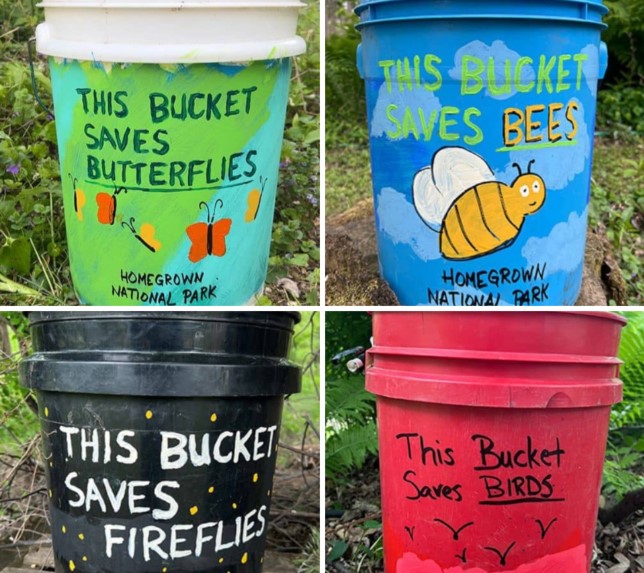
As record-breaking temperatures and increased precipitation persist across Canada, public health agencies are reporting a surge in mosquito populations, elevating the risk of West Nile virus transmission. The spike in insect activity has prompted a widespread search for effective mitigation strategies, leading to a surge in interest for DIY mosquito control methods, including the use of “doomsday buckets” or “mosquito dunks” as part of residential pest management programs.
According to Ottawa Public Health, the primary defense against West Nile virus remains the elimination of stagnant water sources where mosquitoes breed. Public health officials emphasize that even small amounts of water—found in gutters, tires, or birdbaths—can serve as incubation sites for larvae. While social media trends have popularized various “doomsday” bucket trap designs to control mosquito populations, experts recommend focusing on verified, science-based interventions to reduce local transmission risks.
Understanding the West Nile Virus Risk
West Nile virus is a mosquito-borne illness that, while often asymptomatic in many humans, can lead to serious neurological complications in a small percentage of cases. The Public Health Agency of Canada tracks cases annually, noting that the risk of infection typically peaks in late summer as mosquito populations mature and temperatures remain high. Symptoms can range from mild fever and headache to severe encephalitis or meningitis.
The current environmental conditions in many Canadian provinces—characterized by high heat and humidity—create an ideal lifecycle environment for the Culex mosquito, the primary vector for the virus. Because environmental factors directly influence the rate of viral replication within the insect, public health departments across the country have issued standing directives for residents to monitor their properties for potential breeding grounds.
The Science of Mosquito Control
The “doomsday bucket” concept, which has gained traction in online forums, typically involves using a container of water treated with biological larvicides to lure female mosquitoes into laying eggs. The most common active ingredient used in these traps is Bacillus thuringiensis israelensis (Bti), a naturally occurring soil bacterium. When larvae ingest the Bti, it produces toxins that specifically target the digestive systems of mosquito larvae without harming humans, pets, or pollinators like bees.

According to the United States Environmental Protection Agency, which provides the regulatory framework often cited by North American health experts, Bti is a highly targeted and effective tool for integrated pest management. However, experts warn that “bucket traps” are only effective if they are properly maintained. If the water is not replaced or the larvicide is not reapplied according to the manufacturer’s instructions, these containers can inadvertently become nurseries for new generations of mosquitoes.
Best Practices for Homeowners
Public health guidelines suggest a multi-layered approach to mosquito prevention that goes beyond simple trapping. Residents are encouraged to take the following actions to minimize risk:
- Drain Stagnant Water: Clear debris from eavestroughs and empty containers such as flower pots, pool covers, and tarps at least once a week.
- Install Screens: Ensure that all windows and doors are fitted with tight-fitting, intact screens to prevent mosquitoes from entering living spaces.
- Personal Protection: Use insect repellents containing DEET or Icaridin, which are recommended for their efficacy in preventing mosquito bites.
- Dress Appropriately: Wear long-sleeved shirts and long pants, particularly during dawn and dusk when mosquito activity is at its highest.
For those interested in using biological controls, it is essential to purchase products that are registered for use within their specific jurisdiction. In Canada, the Pest Management Regulatory Agency (PMRA) oversees the safety and efficacy of all pesticides, including domestic larvicides. Always check the label to ensure the product is approved for residential use and follow the application rates precisely to ensure environmental safety.
Monitoring and Future Surveillance
Public health surveillance programs continue to monitor mosquito populations through trap sites located in urban and suburban areas. These programs test sampled mosquitoes for the presence of the virus, providing early warning signs to the community. In regions where positive samples are identified, local health authorities may increase public communications or implement municipal vector control programs, such as the application of larvicides to public storm drains and catch basins.
Residents are encouraged to check their local municipal health department websites for real-time updates on West Nile virus activity in their specific neighborhoods. As the season progresses, staying informed through official channels remains the most effective way to navigate the risks associated with increased insect activity. For further guidance on identifying and reporting high-risk areas, the public is advised to contact their local by-law or public health office.
Have you taken steps to secure your property against mosquito breeding? Share your experiences or questions regarding local vector control measures in the comments below.
Keep reading