
Sofia, Bulgaria — May 18, 2026
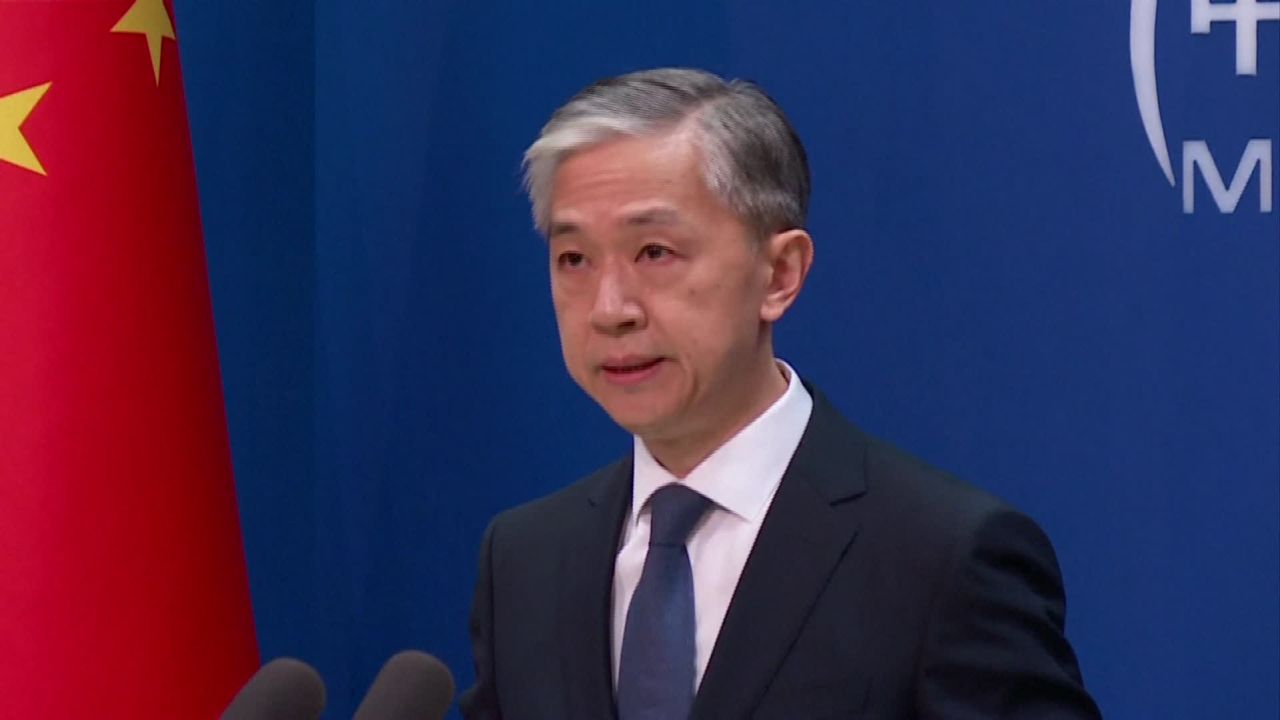
China has sharply criticized a recent visit by Canadian Conservative MP Michael Chong to Taiwan, labeling it a provocative act that undermines Canada’s official stance on the “one-China” principle. The condemnation comes as diplomatic tensions between Ottawa and Beijing continue to simmer, with China’s ambassador warning that such visits could damage the strategic partnership established during Prime Minister Mark Carney’s recent meeting with Chinese President Xi Jinping.
In a statement released through China’s embassy in Ottawa, officials accused Chong’s trip of sending “the wrong message of support for ‘Taiwan independence'”—a position Beijing considers a red line in its territorial claims. The visit, which took place this past weekend, has reignited debates over Canada’s approach to Taiwan, a democratically governed island that China regards as an inalienable part of its territory.
This development marks the latest chapter in a long-standing geopolitical standoff, where Canada’s balancing act between maintaining diplomatic relations with China and supporting Taiwan’s de facto sovereignty has become increasingly complex. As global powers navigate shifting alliances, Chong’s visit—and Beijing’s response—highlight the fragile nature of cross-strait relations and the high stakes of parliamentary diplomacy in an era of rising great-power competition.
China’s Diplomatic Rebuke: A Warning to Ottawa
China’s embassy in Ottawa issued a formal statement condemning Chong’s visit, framing it as a direct challenge to Canada’s commitment to the “one-China policy”—the international consensus that recognizes Beijing as the sole legitimate government of China, with Taiwan as a part of its territory. The statement, carried by Global News, read:
“Certain Canadian MP’s visit to the Taiwan region and his meetings with officials of the Taiwan region authorities gravely contravene the one-China commitment Canada upholds and send a wrong message of support for Taiwan independence. China firmly opposes this.”
The embassy’s language reflects Beijing’s long-standing position that any official engagement with Taiwan—even by foreign parliamentarians—risks being interpreted as endorsement for Taiwanese independence. This stance has led to repeated diplomatic spats, including past incidents where China has summoned Canadian officials to protest visits by MPs or military vessels transiting near Taiwan.
Chong, the Conservative Party’s foreign affairs critic, defended his trip as a matter of parliamentary sovereignty. In a statement upon arriving in Taipei, he asserted, “Canada is a sovereign and independent country. We do not take direction from a foreign government about where Canadian MPs can travel internationally, and where Canadian Navy warships can transit in international waters.” His remarks directly countered a warning issued last month by China’s ambassador to Canada, Wang Di, during an interview with The Globe and Mail. Wang had stated that further parliamentary visits to Taiwan or military transits through the Taiwan Strait would “damage” the strategic partnership announced during Carney’s visit to Beijing.
Background: Canada’s Delicate Taiwan Dilemma
Canada’s relationship with Taiwan is governed by a long-standing policy that recognizes the “one-China principle” while maintaining unofficial ties with Taipei. Unlike the United States, which provides Taiwan with military support under the Taiwan Relations Act, Canada does not formally recognize Taiwan as a sovereign state but engages with it through cultural, economic, and parliamentary channels.
Chong’s visit is not the first by a Canadian MP to Taiwan. In recent years, similar trips have drawn criticism from Beijing, though they have generally been framed as private or non-governmental in nature. The current escalation, however, comes at a sensitive moment: following Carney’s state visit to China in April, where the two leaders agreed to deepen economic and security cooperation. Analysts suggest Beijing may be testing Ottawa’s resolve on Taiwan-related issues, particularly as Canada seeks to diversify its trade partnerships amid global supply chain disruptions.
For Taiwan, Chong’s visit carries symbolic weight. The island’s government has increasingly sought international recognition, particularly as China intensifies military drills near its waters and pressures other nations to cut ties with Taipei. In a statement, Taiwan’s Foreign Ministry welcomed Chong’s visit, emphasizing its role in “strengthening people-to-people exchanges” and “promoting democratic values.”
Global Context: Taiwan at the Crossroads
The Taiwan Strait remains one of the world’s most volatile flashpoints, with China’s military posturing—including frequent incursions by fighter jets and naval vessels—raising concerns about a potential conflict. The United States, Japan, and Australia have all increased their support for Taiwan in recent years, though none have formally recognized its independence. Canada’s position, while officially neutral, has increasingly come under scrutiny as Beijing leverages economic ties to influence foreign policy.
Economically, Canada’s stance on Taiwan is complicated by its trade relationship with China, which remains its second-largest trading partner after the United States. In 2025, bilateral trade between the two countries exceeded $112 billion CAD, with Canadian exports of energy, minerals, and agricultural products heavily reliant on Chinese demand. This interdependence adds a layer of caution to Canada’s diplomatic maneuvers, particularly as global markets remain sensitive to geopolitical risks.
Chong’s visit also coincides with broader shifts in Canadian foreign policy under Carney’s leadership. Since taking office in 2025, Carney has pursued a more assertive stance on human rights and strategic autonomy, including a review of Canada’s defense posture in the Indo-Pacific. His visit to China in April was framed as an effort to “reset” relations, but the Taiwan issue has quickly become a sticking point.
What Happens Next?
With China’s embassy in Ottawa issuing its condemnation, the next steps will likely focus on whether Canada will respond with further diplomatic clarifications or impose restrictions on future parliamentary visits to Taiwan. Chong has indicated he stands by his trip, but his party may face internal debates over how to balance support for Taiwan with the need to maintain stable relations with China.
For Taiwan, the visit may serve as a small but meaningful victory in its efforts to normalize international engagement. However, the long-term impact depends on whether other nations follow Canada’s lead—or whether Beijing succeeds in isolating Taipei diplomatically.
One immediate development to watch is whether China escalates its rhetoric or imposes retaliatory measures, such as trade restrictions or visa bans on Canadian officials. Historically, Beijing has responded to perceived provocations with targeted economic or diplomatic pressure, though the scale of any response remains unclear.
Key Takeaways
- Diplomatic Tensions: China’s condemnation of Chong’s Taiwan visit reflects its zero-tolerance stance on any perceived support for Taiwanese independence.
- Parliamentary Sovereignty: Chong’s trip highlights Canada’s internal debate over MPs’ freedom to travel versus diplomatic prudence in dealing with China.
- Economic Interdependence: Canada’s trade reliance on China adds complexity to its Taiwan policy, as economic ties often temper political boldness.
- Global Precedent: The visit could influence how other nations approach Taiwan engagement, particularly as Beijing increases pressure on international recognition.
- Military Posturing: The Taiwan Strait remains a flashpoint, with China’s recent military drills underscoring the risks of miscalculation.
- Next Steps: Watch for Canada’s official response, potential retaliatory measures from China, and whether other MPs plan similar visits.
Expert Analysis: Why This Visit Matters
Dr. Emily Chen, a senior fellow at the Brookings Institution, explains that Chong’s visit is less about Taiwan’s formal status and more about signaling intent. “China is not just reacting to this one trip,” Chen says. “It’s testing whether Canada will allow its parliamentarians to engage with Taiwan without consequences. The message is clear: if MPs visit, there will be repercussions.”

Chen adds that the timing of the visit—following Carney’s China trip—suggests a deliberate effort by the Conservative opposition to challenge the government’s diplomatic approach. “This is not just about foreign policy; it’s about domestic politics,” she notes. “The Conservatives are trying to position themselves as more assertive on Taiwan, while the Liberals must navigate the delicate balance between appeasing Beijing and not alienating pro-Taiwan sentiment in Canada.”
For Taiwan, the visit is a rare moment of international attention. “Every parliamentary visit counts, especially in an environment where China is increasingly isolating Taiwan diplomatically,” says Taiwan Foundation analyst Mark Liu. “These exchanges help maintain Taiwan’s global presence and counter China’s narrative that it is an international pariah.”
Reader Q&A: What You Need to Know
Q: Is Taiwan an independent country?
No. Taiwan operates as a self-governing democracy but is claimed by China as a provincial territory. Most countries, including Canada, maintain unofficial relations with Taipei while recognizing Beijing as the sole legitimate government of China.
Q: Can Canadian MPs visit Taiwan without permission?
Technically, yes—You’ll see no legal restrictions on Canadian parliamentarians traveling to Taiwan. However, such visits are often criticized by China, which may respond with diplomatic protests or economic pressure.
Q: What is the ‘one-China policy’?
The “one-China policy” is an international consensus that acknowledges Beijing as the sole legitimate government of China, with Taiwan as part of its territory. Canada, like most nations, adheres to this policy while maintaining practical ties with Taiwan.
Q: How does this affect Canadian-Chinese trade?
Trade between Canada and China is substantial, but tensions over Taiwan could lead to retaliatory measures. Historically, China has imposed trade restrictions or visa bans in response to perceived provocations, though the economic impact varies.
Q: Will other Canadian MPs follow Chong’s example?
It’s possible. The Conservative Party has been more vocal about Taiwan than the ruling Liberals, and other MPs may see value in similar visits. However, the risk of diplomatic fallout remains a deterrent.
Q: What is Canada’s military stance on Taiwan?
Canada does not provide Taiwan with military support like the U.S. Does under the Taiwan Relations Act. However, Canada has expressed concerns over China’s military activities in the Taiwan Strait and participates in Indo-Pacific security dialogues.
Official Statements and Updates
For the latest developments, readers can monitor:
- Canada’s Taiwan policy page
- China’s embassy in Canada
- Taiwan’s Ministry of Foreign Affairs
- Canadian Parliament updates
What to Watch Next
The next critical checkpoint will be Canada’s official response to China’s condemnation. If no further statements are issued by May 25, 2026, the focus will likely shift to whether:
- China imposes economic or visa-related retaliatory measures against Canadian officials.
- Other Canadian MPs announce similar visits to Taiwan.
- Prime Minister Carney’s office clarifies whether Chong’s trip was coordinated with the government or undertaken independently.
- Taiwan’s government uses the visit to push for expanded international recognition.
As the situation evolves, World Today Journal will continue to provide updates on this developing story. We encourage readers to share their perspectives on Canada’s Taiwan policy and the broader implications for global diplomacy in the comments below.
Related reading
- Japanese Zoos Facing Crisis: Lack of Funding, Staff, and Animals
- Dallas Women’s Team Moves to AAC and New Training Center
- Medicaid Halts in California and Minnesota Spark Outrage for Caregivers and Disabled People (news-usa.today)
- Apple AirPods with cameras could launch sooner than expected (archyde.com)