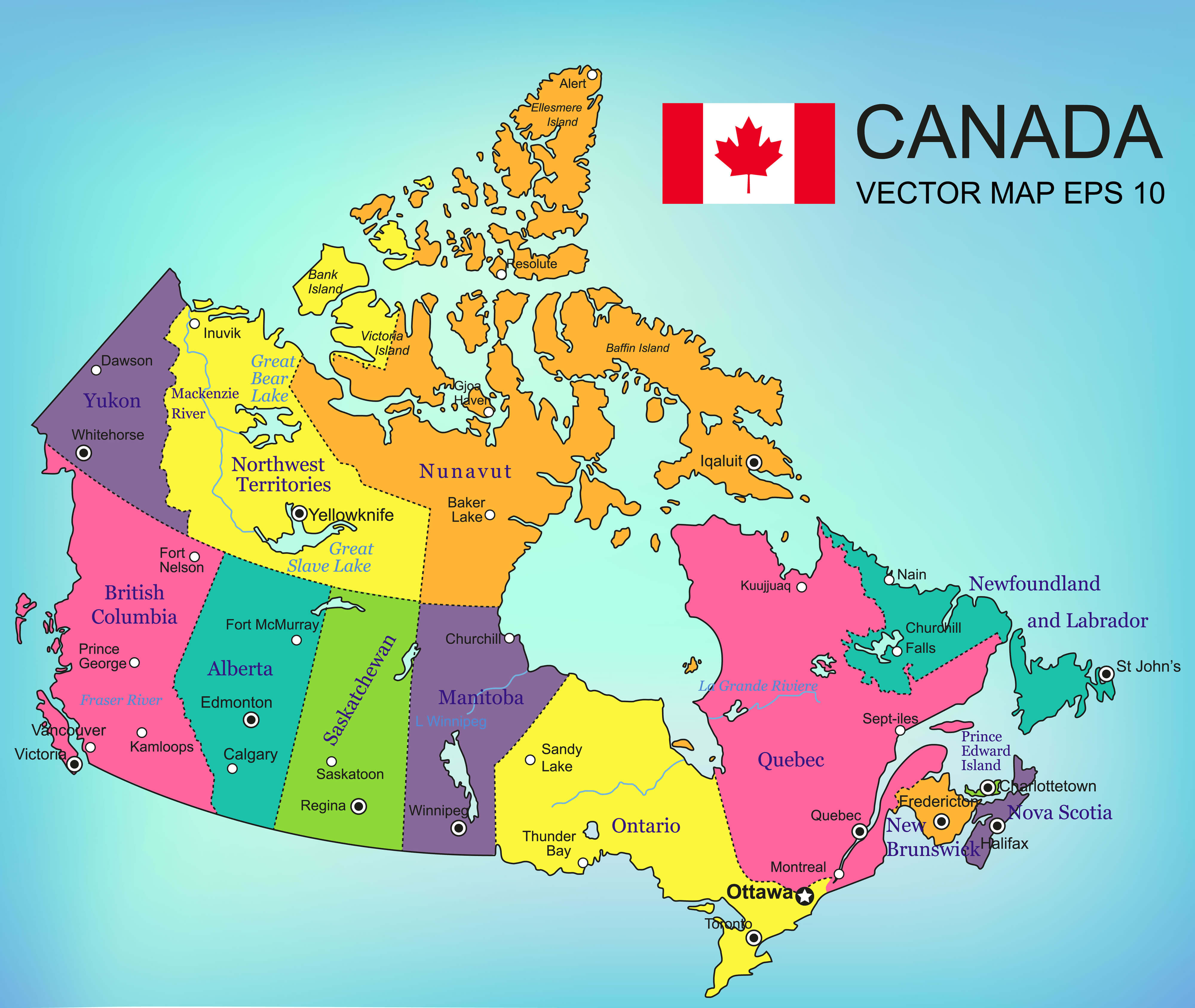
As Canadian wildfires continue to burn across multiple provinces, smoke and particulate matter have drifted across the border, prompting a series of air quality alerts, severe weather warnings, and flood advisories across the United States. Meteorological agencies and environmental monitoring bodies are tracking the movement of these plumes, which have already begun to impact visibility and public health standards in several northern and midwestern states.
Monitoring Wildfire Smoke and Regional Air Quality
The persistence of wildfires in Canada has led to elevated levels of fine particulate matter (PM2.5) in the atmosphere, affecting air quality indexes (AQI) in regions spanning from the Great Lakes to the Atlantic Coast. According to data from the U.S. AirNow monitoring network, which integrates data from federal, state, and local environmental agencies, several regions have moved into “unhealthy” or “very unhealthy” categories as smoke settles in lower-lying areas. Public health officials in these affected jurisdictions have advised residents with respiratory conditions to limit outdoor exertion and maintain indoor air filtration.
These atmospheric conditions are exacerbated by broader meteorological patterns. The National Weather Service (NWS) has concurrently issued warnings for severe weather, including high-wind events and localized flooding, in the same corridors experiencing smoke infiltration. These rapid shifts in weather patterns are complicating containment efforts for fire crews on both sides of the border, as high winds can accelerate fire spread while heavy rainfall—though helpful for suppression—increases the risk of flash flooding in burn-scarred areas.
Cross-Border Environmental and Policy Discourse
The impact of Canadian wildfire smoke on U.S. territory has triggered a wider debate regarding environmental accountability and cross-border policy. Recent political discourse has seen calls for the potential integration of pollution-related costs into trade discussions. While these suggestions have surfaced in public commentary, there is currently no established legal mechanism or formal trade agreement protocol that mandates the assessment of air quality impacts as a direct financial liability between the two nations under current North American trade frameworks, such as the United States-Mexico-Canada Agreement (USMCA), as outlined in the official agreement text published by the Office of the United States Trade Representative.
Environmental experts note that wildfire management remains primarily a domestic responsibility governed by provincial and federal authorities in Canada and land management agencies in the United States. The current crisis has highlighted the challenges of managing transboundary pollutants, which do not respect international borders and often require collaborative rather than adversarial approaches to mitigation and monitoring.
Infrastructure and Public Safety Preparedness
In addition to air quality concerns, the ongoing wildfire season has placed significant strain on infrastructure and emergency response systems. Authorities are currently focusing on the following areas to maintain public safety:
- Emergency Alerts: Local governments are utilizing the Wireless Emergency Alerts (WEA) system to notify residents of immediate threats, including shifting smoke plumes and flash flood risks.
- Public Health Guidance: Health departments continue to distribute guidance on the use of N95-rated masks and the importance of sealing indoor environments during peak pollution events.
- Inter-Agency Cooperation: Canadian and U.S. fire management agencies are maintaining communication protocols to share real-time data on fire behavior and anticipated smoke dispersion patterns.
The situation remains fluid, with monitoring agencies updating their projections daily based on satellite imagery and ground-level sensor data. Residents in affected areas are encouraged to check the National Weather Service website for the most recent localized forecasts and safety advisories.
The next major update regarding wildfire containment and air quality projections is expected from the Canadian Interagency Forest Fire Centre (CIFFC) as they release their seasonal status assessment. We will continue to track these developments as more information becomes available. If you found this report useful, please share it with your network or leave a comment below to discuss how your community is preparing for air quality challenges.
Keep reading
- The Rightward Shift: Is Latin America Turning Against the Left?
- Tragic Case of 3-Month-Old Baby’s Death Sparks Outrage and Investigation
- What Is a 'Blue Slip'? The Senate Custom Trump Wants Gone (daybreakwire.com)
- Fans Pack Sold-Out Comedy Show at Lincoln Financial Field Despite Wildfire Smoke (news-usa.today)