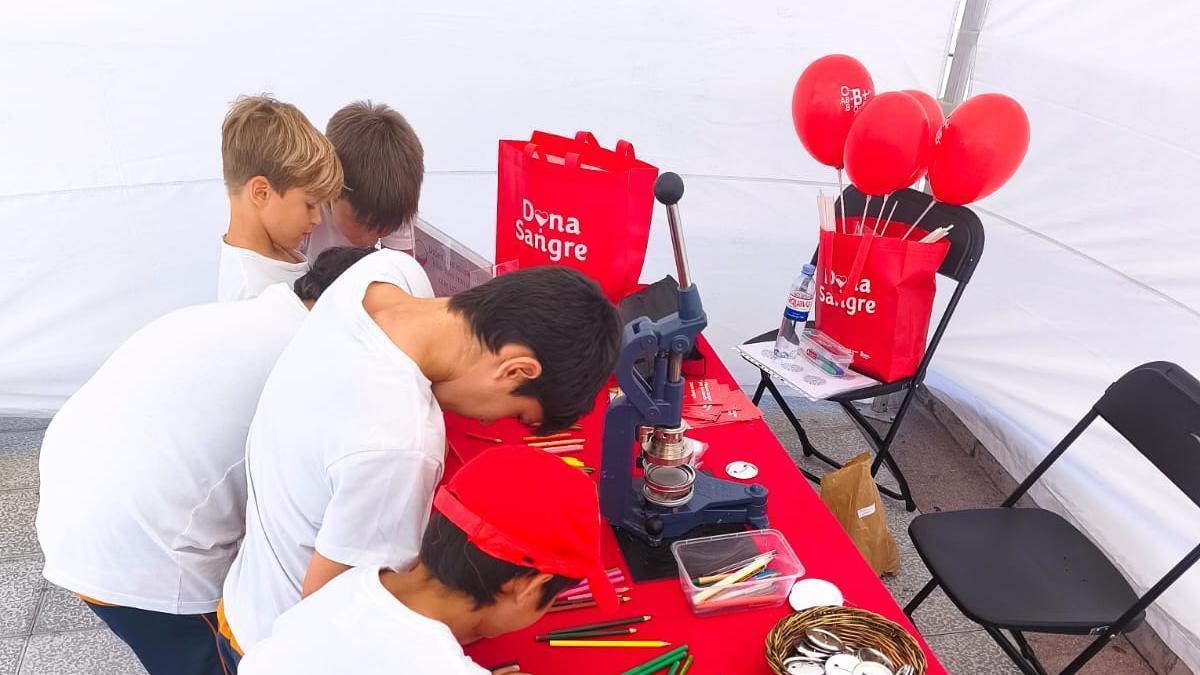
Students across the Canary Islands have contributed 366 blood donations through targeted educational campaigns, bolstering local reserves and demonstrating a growing commitment to public health among the youth. The initiative, coordinated by the Canary Islands Health Service’s (SCS) Directorate General for Blood Donation and Therapy, aims to stabilize regional supply levels by engaging schools and universities directly.
According to the official Canary Islands Health Service (SCS), these outreach programs are essential for maintaining the clinical requirements of hospitals across the archipelago. The 366 donations collected during these specific school-based drives represent a critical infusion of blood units, which are vital for surgeries, trauma care, and the management of chronic conditions such as anemia and cancer.
How Educational Campaigns Support Regional Reserves
The strategy of bringing mobile donation units into educational centers serves two purposes: increasing the immediate volume of available blood and fostering a long-term habit of altruism among young adults. By removing the barrier of travel, the Canary Islands blood donation network can reach first-time donors who might otherwise find it difficult to visit a permanent center.
In the Canary Islands, as in much of Spain, blood donation is a strictly voluntary and non-remunerated act. The Royal Decree 1088/2005, which regulates the technical requirements and quality standards for blood donation in Spain, mandates that all collection activities must ensure the safety of both the donor and the recipient. Educational campaigns strictly adhere to these protocols, ensuring that student donors meet the same age and health criteria as the general population.
The Clinical Importance of Consistent Donation
Blood components have a limited shelf life, making a steady stream of donations a medical necessity. Red blood cells, for instance, can be stored for approximately 42 days, while platelets must be used within just five to seven days. This biological reality necessitates constant, rather than sporadic, collection efforts.
The Spanish Ministry of Health emphasizes that there is no synthetic substitute for human blood. For the Canary Islands, where the geography creates unique logistical challenges for transport between islands, having autonomous and robust local blood banks is a cornerstone of the regional healthcare system. The participation of younger demographics is particularly valued because these donors are more likely to become repeat, long-term contributors, which helps ensure the stability of the blood supply throughout the calendar year.
Guidelines for Future Donors
For those interested in contributing to the regional effort, the process is standardized across the islands. Potential donors must be between 18 and 65 years old, weigh at least 50 kilograms, and be in general good health. Before any donation, staff conduct a brief medical interview and a physical assessment to confirm eligibility.
The Canary Islands Health Service maintains a digital portal where residents can find the locations of permanent donation centers and the schedule for upcoming mobile units. While school-based campaigns are highly effective for student engagement, the broader public is encouraged to maintain a regular donation schedule to meet the daily needs of the regional hospitals.
Looking Ahead: Maintaining Supply Levels
The success of the 366 donations in educational settings highlights the effectiveness of community-based health interventions. As the SCS continues to monitor inventory levels, they are expected to schedule additional drives for the upcoming academic semester to replace the units used in recent months.
Residents are encouraged to check the official SCS donation website for the most recent updates on blood type requirements and upcoming mobile unit visits. Community members and students can stay informed on the impact of these drives by following official healthcare announcements from the local authorities. We invite readers to share their experiences or questions regarding the donation process in the comments section below.
Related reading