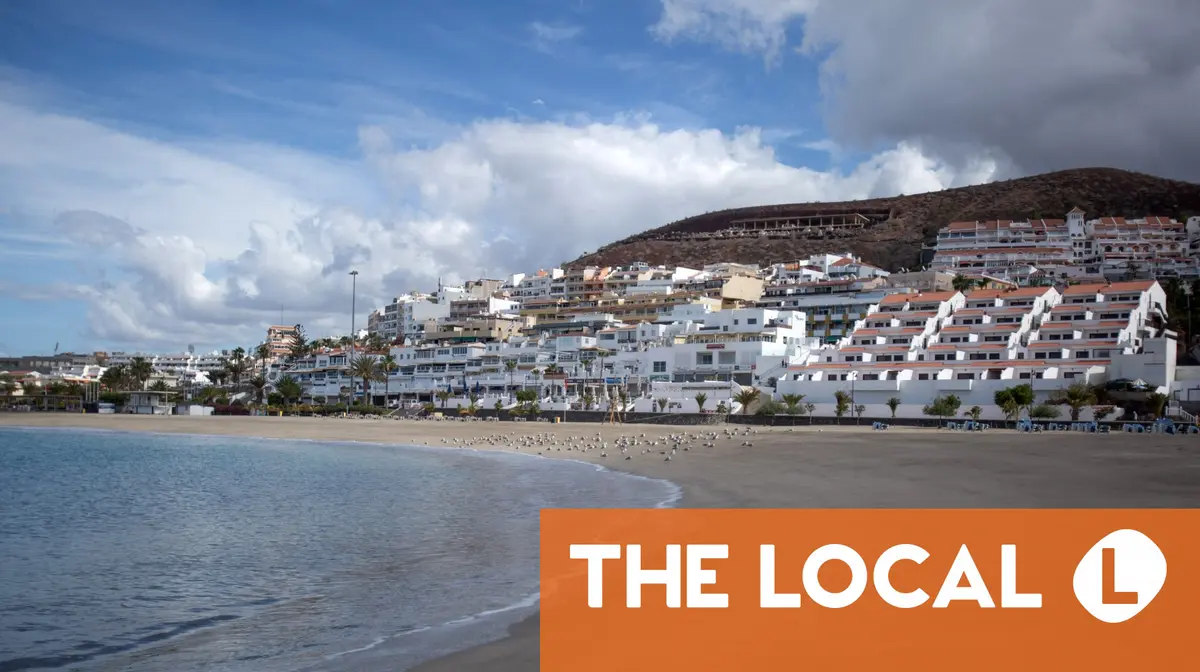
Canary Islands Implements Landmark Holiday Rental Law Amid Tourism Concerns
The Canary Islands have taken a significant step towards regulating its booming holiday rental market with the approval of its first dedicated law. This legislation, years in the making, aims to balance the economic benefits of tourism with the growing concerns over housing affordability for local residents. For years, a decree lacking clear guidelines governed the sector, creating uncertainty for owners, administrations, and the Canary Islands government alike.
Government officials were quick to emphasize what the law doesn’t do. “This law does not prohibit,” they insisted, signaling a nuanced approach rather than an outright ban on holiday rentals.
A Response to Growing Pressure
The move comes after a period of increasing tension. The Canary islands were a focal point of Spain’s anti-tourism protests in 2024. Many islands experienced strain from a surge in tourist accommodations following the pandemic, driving up rental and property costs for locals. This sparked a backlash, with residents feeling priced out of their own communities.
The new law is designed to address these issues by introducing planning, management, and urban discipline to the sector. As explained by regional official de León, the goal is to ensure the right to housing for the 2.2 million Canary Islanders is balanced with a sustainable tourism economy.
Key Changes & Projected Impact
After two years of negotiation, drafting, and amendments, the law’s passage wasn’t easy. De León acknowledged the complexities involved, stating it was “challenging to internalise, also difficult to explain, also difficult to manage.” Though, the potential impact is significant.
Here’s what you need to know:
* Current Landscape: Over 72,000 units are currently registered as holiday homes in the Canary islands.
* Projected Reduction: The new regulations are expected to reduce this number to approximately 9,500. The number of unregistered rentals remains unknown.
* Ownership Breakdown: According to the Canary Islands government, 44.6% of holiday homes are owned by individuals, while 55.3% are managed by foreign entities or owners – not small, local owners.
these figures highlight a key concern: the increasing commercialization of the holiday rental market,often driven by external investment.
What This Means for You
Whether you’re a homeowner, a tourist, or a local resident, this law will have implications.
* For Owners: Expect stricter regulations and potential limitations on renting your property as a holiday let. Compliance will be crucial.
* For Tourists: While the availability of holiday rentals may decrease, the law aims to improve the quality and sustainability of the accommodations that remain.
* For Residents: The hope is that reducing the number of properties dedicated to tourism will help stabilize the housing market and improve affordability.
A Step Towards sustainable Tourism
The Canary Islands’ decision reflects a broader trend across Spain and Europe. Destinations are increasingly recognizing the need to manage tourism more effectively to protect local communities and preserve the habitat.
This law isn’t the final word. De León emphasized that further request and development are needed.Though, it represents a crucial step towards a more balanced and sustainable tourism model for the Canary Islands – one that prioritizes both economic prosperity and the well-being of its residents.
Further Reading:
* Canary Islands Government Statement on Holiday Rental Law
* the Local: ‘The island can’t take it anymore’ – Why Tenerife is rejecting mass tourism