As a physician, I have spent years discussing the delicate balance of nutrition with my patients. We often focus on what we should add to our diets—more fiber, lean proteins, and colorful vegetables—but it is equally important to understand how our preparation methods influence the chemical composition of our meals. Recent discussions in nutritional science have highlighted a critical, often overlooked factor: the formation of potentially cancer-causing chemicals in everyday foods, particularly when subjected to high-heat cooking.
For many, the aroma of a grilled steak or the sear on a pan-fried fillet is synonymous with a well-prepared meal. However, the science of food chemistry reveals that these high-temperature techniques can trigger the creation of specific compounds known as heterocyclic amines (HCAs) and polycyclic aromatic hydrocarbons (PAHs). Understanding these substances and how they interact with the human body is a vital step in making informed, health-conscious choices in the kitchen.
The Chemistry of High-Heat Cooking
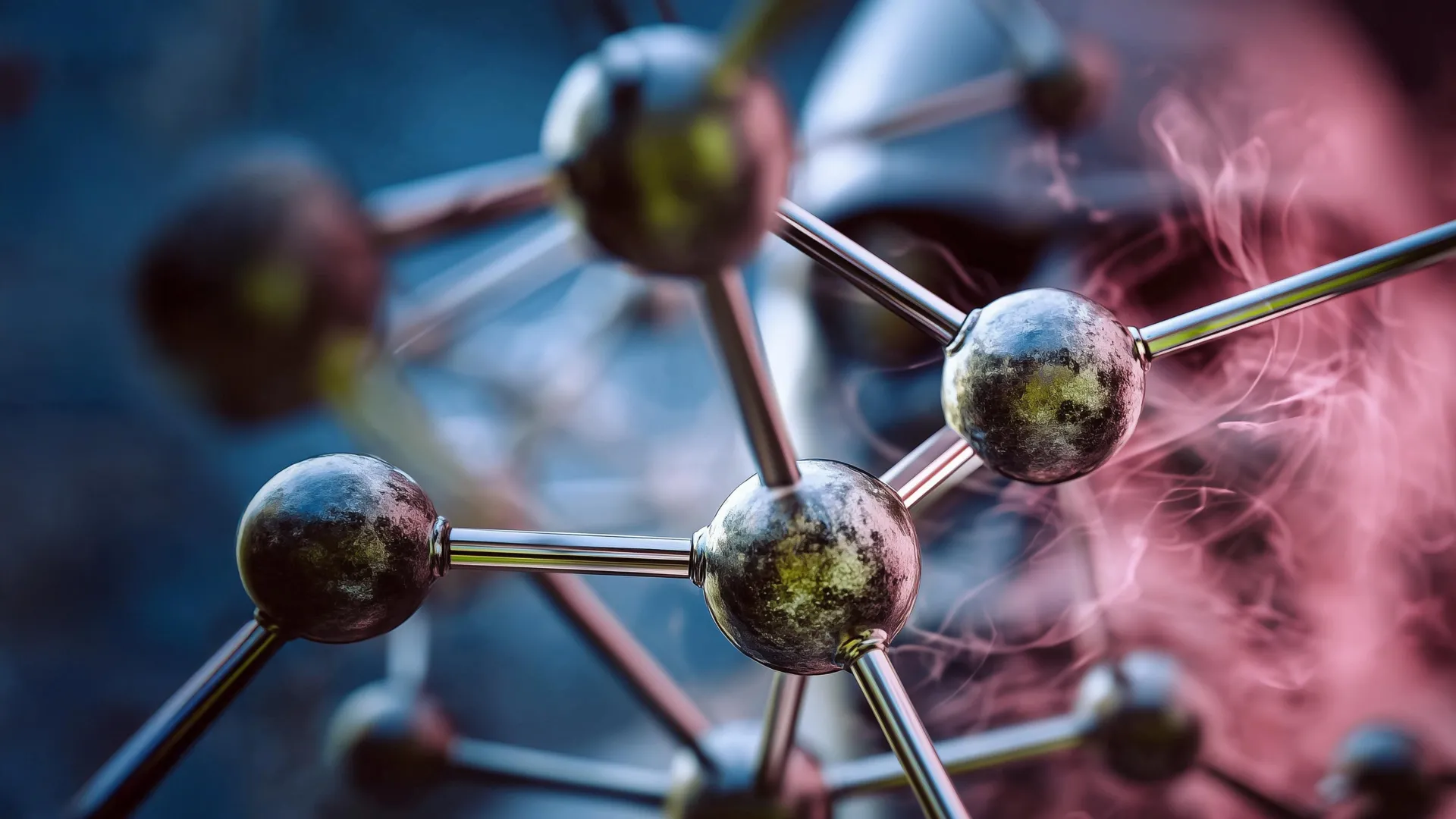
The formation of these compounds is not a matter of chance; it is a direct result of chemical reactions occurring at the molecular level. According to the National Cancer Institute, heterocyclic amines (HCAs) are formed when amino acids, sugars, and creatine—substances naturally present in muscle meats like beef, pork, poultry, and fish—react under high-temperature conditions. This process is particularly pronounced when meats are cooked at temperatures exceeding 300 ºF.
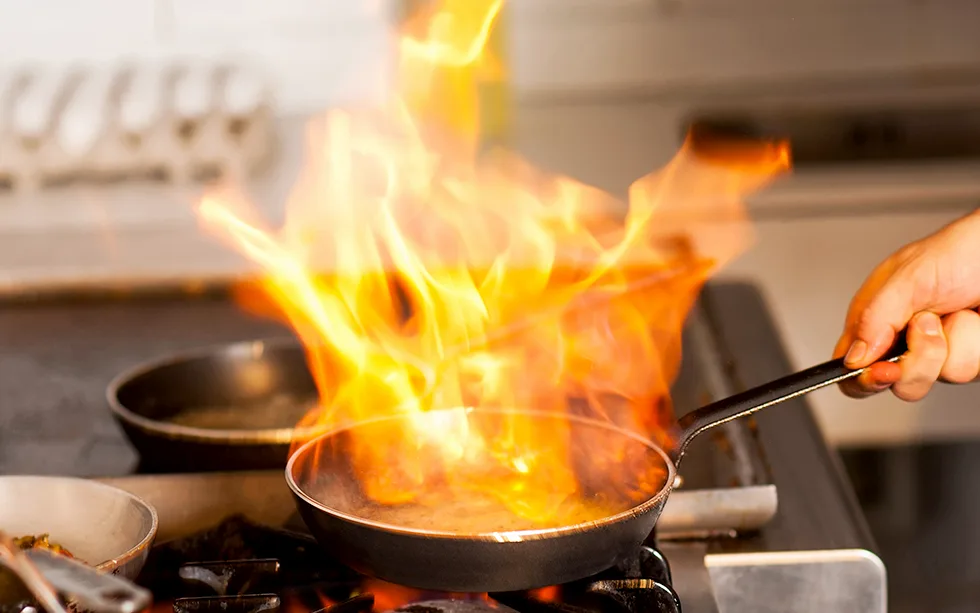
Polycyclic aromatic hydrocarbons (PAHs), originate through a different mechanism. When fat and juices from meat drip onto a heat source, such as an open flame or a hot grill surface, they generate smoke. This smoke, rich in PAHs, rises and adheres to the surface of the food. Smoking meat as a preservation or flavoring method can also introduce these compounds to the final product. While PAHs are also found in environmental sources like cigarette smoke and vehicle exhaust, their presence in our diet is primarily linked to these specific cooking processes.
Understanding the Biological Impact
It is essential to clarify that these chemicals do not exist in a state that damages human cells the moment they are formed. They must first undergo a process known as “bioactivation.” Once ingested, specific enzymes in the human body metabolize HCAs and PAHs. It is only after this metabolic transformation that these compounds become capable of damaging DNA. In laboratory settings, these metabolites have been identified as mutagenic, meaning they possess the potential to cause changes in the genetic material of cells, which, in turn, may increase the risk of developing cancer.
Cancer itself is a complex group of diseases characterized by the uncontrollable growth of abnormal cells. Under normal conditions, our cells divide and die in an orderly fashion; however, when this regulatory process fails, damaged cells can multiply and form tumors. While not all tumors are malignant, those that are have the capacity to invade nearby tissues or travel to distant parts of the body, a process known as metastasis. Factors such as genetics, tobacco and alcohol consumption, obesity, and exposure to environmental carcinogens all play a role in this disease process, as noted by the National Cancer Institute.
Practical Guidance for the Home Kitchen
While the data regarding high-heat cooking and cancer risk is significant, it does not mean that one must abandon grilling or pan-frying entirely. Instead, it encourages a more mindful approach to food preparation. The concentration of HCAs and PAHs is influenced by several factors, including the type of meat, the specific cooking method, and the “doneness” level of the food. Meats cooked for longer durations or at higher temperatures generally tend to form higher concentrations of these compounds.
To reduce potential exposure, consider the following strategies frequently discussed by public health experts:
- Lower the Heat: When possible, opt for cooking methods that use lower temperatures, such as stewing, braising, or steaming.
- Reduce Exposure Time: Turning meat frequently while cooking over a high heat source can help decrease the formation of HCAs.
- Minimize Smoke: Removing charred portions of meat before consumption can limit intake of substances formed by smoke.
- Diverse Cooking Methods: Incorporate more methods that do not rely on direct flame or extreme high heat, such as microwave cooking, which has been shown to produce negligible amounts of these specific chemicals.
A Broader Perspective on Cancer Prevention
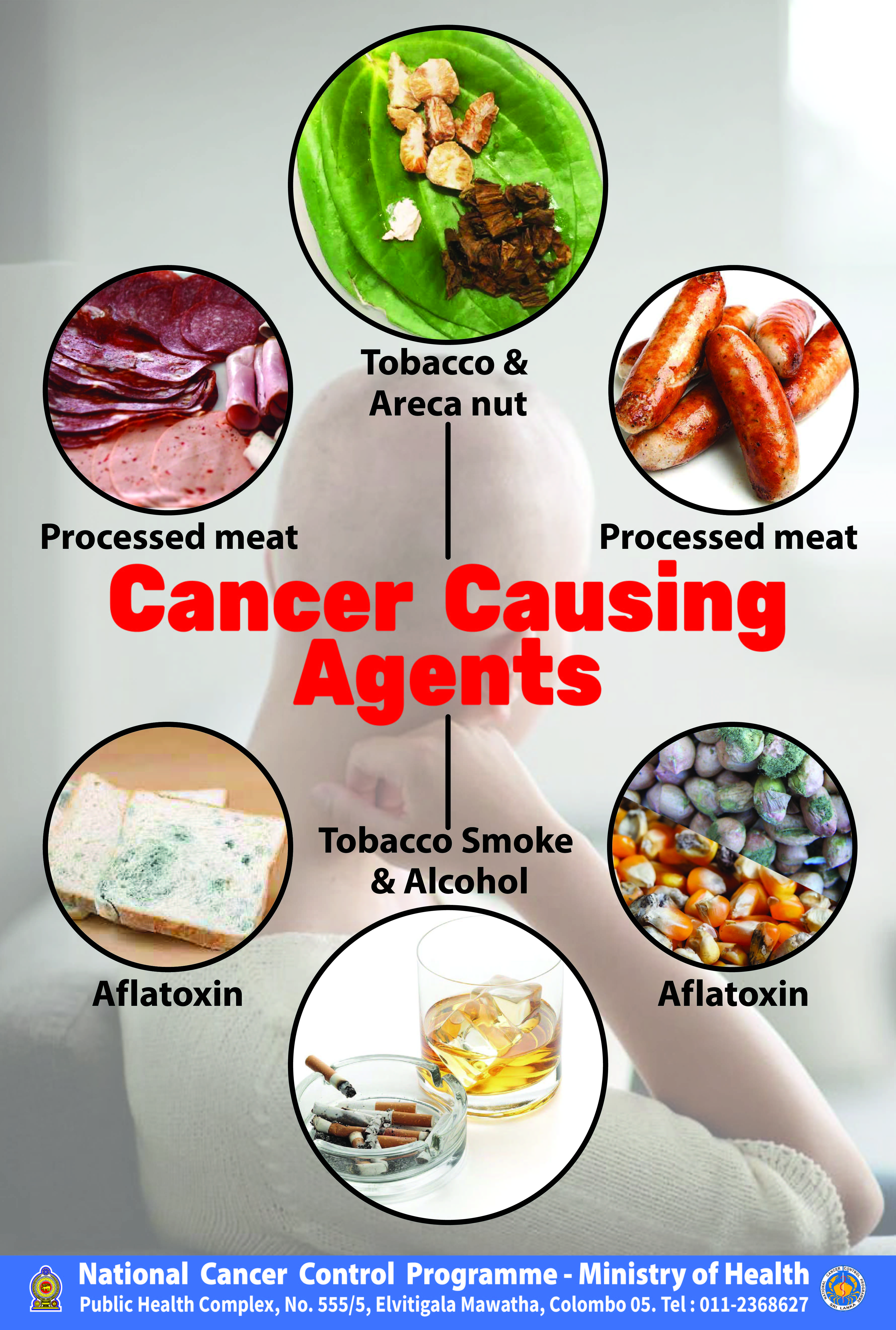
It is important to view dietary habits within the context of overall cancer risk. According to findings highlighted by Wikipedia, approximately one-third of cancer-related deaths are attributed to preventable factors, including tobacco use, alcohol consumption, lack of physical activity, and diets lacking in fruits and vegetables. While monitoring cooking methods is a proactive step, it is most effective when combined with a balanced lifestyle.
The global scientific community continues to study the long-term health implications of dietary carcinogens. As research evolves, public health organizations provide ongoing updates and advisories regarding nutritional safety. Staying informed through reputable, evidence-based sources remains the best defense against misinformation. I encourage our readers to prioritize these official health communications and to consult with their primary care physicians regarding individual risk factors and personalized nutritional advice.
We invite you to share your thoughts on how you are adapting your cooking habits in the comments section below. For further reading on cancer prevention and research, you can visit the official portals of the National Cancer Institute for the latest peer-reviewed information.
Worth a look
- Researchers Advance Treatments for Cancer Cachexia Muscle Wasting Syndrome
- NewYork-Presbyterian Partners with Signal 1 to Enhance Healthcare AI Management
- Antiphospholipid Syndrome Case Highlights Stroke Risks in Elderly Patients (time.news)
- Luxurious Early Las Vegas Foods: From Buffets to Shrimp Cocktails (archynewsy.com)