Does Sugar Cause Cancer to Grow Faster? Understanding the Link Between Diet and Tumor Growth
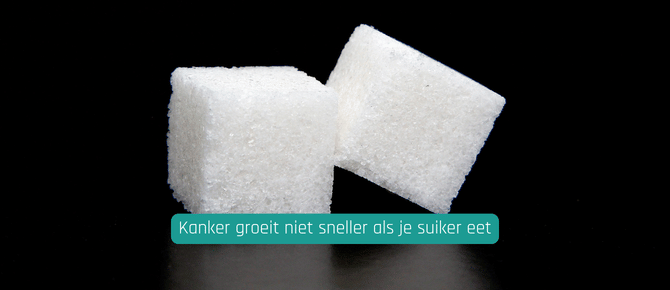
Eating sugar does not directly cause cancer cells to grow faster in the human body, according to medical research and major health organizations. While cancer cells consume glucose more rapidly than normal cells, there is no clinical evidence that dietary sugar intake acts as a direct fuel source that accelerates tumor growth in a way that is distinct from how the body processes other carbohydrates.
The connection between sugar consumption and cancer is a frequent subject of medical debate and public concern. While the idea that “sugar feeds cancer” is a common misconception, health experts clarify that the relationship is indirect and primarily driven by metabolic health, insulin levels, and body weight. The primary risk associated with high sugar intake is not the immediate fueling of a tumor, but rather the long-term development of obesity and chronic inflammation, both of which are established drivers of cancer risk.
Why is there a connection between sugar and cancer?
The perceived link between sugar and cancer growth stems from how the body processes energy. When an individual consumes sugar, the body breaks it down into glucose, which enters the bloodstream. All cells, both healthy and cancerous, require glucose to function. However, the scientific consensus, as noted by the American Cancer Society, emphasizes that the danger of sugar lies in its role in weight management rather than a direct “feeding” mechanism.


High consumption of added sugars—particularly in sugar-sweetened beverages and processed foods—is a primary driver of excessive calorie intake. This leads to weight gain and obesity. According to the Mayo Clinic, obesity is a significant risk factor for several types of cancer, including breast, colorectal, uterine, kidney, and pancreatic cancers. In these cases, the sugar does not “feed” the cancer directly; instead, the resulting excess body fat creates a biological environment that encourages cancer development.
Obesity affects cancer risk through several complex pathways. Fat tissue is not biologically inert; it is an active endocrine organ that produces hormones and inflammatory proteins. Increased adipose tissue (body fat) can lead to higher levels of estrogen and systemic inflammation, both of which are linked to increased cellular mutation and tumor promotion.
How do cancer cells consume glucose?
To understand why the “sugar feeds cancer” myth persists, it is necessary to look at the specific metabolism of malignant cells. This phenomenon is known as the Warburg effect. Named after Nobel laureate Otto Warburg, this process describes how cancer cells often rely on a specific type of energy production called glycolysis, even when oxygen is plentiful.
In healthy cells, glucose is typically processed through oxidative phosphorylation in the mitochondria, which is a highly efficient way to produce energy. Cancer cells, however, often shift their metabolism to ferment glucose into lactate. This process is less efficient at producing energy but allows the cancer cells to produce the raw building blocks—such as proteins, lipids, and nucleic acids—needed for rapid cell division and tumor expansion.
While it is true that cancer cells are “glucose-hungry,” the body maintains a tightly regulated level of blood glucose through homeostatic mechanisms. Eating a high-sugar meal does not create a sudden, localized surplus of glucose that only cancer cells can access. Instead, the body distributes glucose to all available cells. The metabolic “preference” of a cancer cell is a characteristic of the cell itself, not a direct consequence of a sudden spike in dietary sugar.
What role does insulin play in cancer progression?
While the direct link between sugar and tumor growth is weak, the hormonal response to sugar consumption provides a more significant area of concern for oncology researchers. When blood glucose levels rise following sugar consumption, the pancreas releases insulin to facilitate the uptake of glucose into cells.

Frequent consumption of high-glycemic foods leads to chronically elevated levels of insulin, a condition known as hyperinsulinemia. Research suggests that high insulin levels may indirectly support cancer progression through several mechanisms:
- Insulin-like Growth Factor-1 (IGF-1): Insulin stimulates the production of IGF-1, a hormone that plays a critical role in cell growth and survival. Excessively high levels of IGF-1 have been linked to increased cell proliferation and the inhibition of apoptosis (programmed cell death), which can allow cancer cells to survive and multiply.
- Cell Signaling Pathways: High insulin levels can activate various signaling pathways, such as the PI3K/AKT/mTOR pathway, which are frequently mutated or overactive in many types of cancer. These pathways regulate cell growth, metabolism, and survival.
- Inflammation: Chronically high insulin and glucose levels are associated with low-grade systemic inflammation, an environment that can facilitate the progression of existing tumors.
How should patients approach nutrition during cancer treatment?
For individuals currently undergoing cancer treatment, nutritional guidance often focuses on maintaining strength and preventing weight loss, rather than strictly eliminating all sugars. Oncologists and registered dietitians typically advise a balanced approach rather than restrictive diets that could lead to malnutrition.
Instead of focusing solely on “sugar,” medical professionals suggest prioritizing the quality of carbohydrates. Complex carbohydrates—such as whole grains, legumes, fruits, and vegetables—provide fiber, which slows the absorption of glucose and prevents the sharp insulin spikes associated with refined sugars. This approach supports metabolic stability and helps manage weight, addressing the indirect risks mentioned previously.
Patients are encouraged to consult with their oncology care team before making significant dietary changes. During chemotherapy or radiation, the body’s energy requirements may change, and a restrictive diet could interfere with the patient’s ability to tolerate treatment or maintain necessary muscle mass.
Key Takeaways for Dietary Health
- Direct Link: There is no scientific evidence that eating sugar directly “feeds” or accelerates the growth of cancer cells.
- Indirect Risk: High sugar intake contributes to obesity, which is a proven risk factor for many types of cancer.
- Hormonal Impact: Excessive sugar can lead to high insulin and IGF-1 levels, which may create an environment conducive to cell growth.
- Focus on Quality: Prioritizing complex carbohydrates and fiber over refined sugars helps maintain metabolic health and stable insulin levels.
Medical professionals continue to study the nuances of metabolic oncology to better understand how diet influences various cancer types. For those seeking personalized nutritional guidance, the next step is often a consultation with an oncology dietitian or a primary care physician to develop a plan tailored to specific health needs and treatment protocols.
Do you have questions about cancer nutrition or metabolic health? Share your thoughts in the comments below and share this article with your network to help spread accurate health information.
Worth a look