
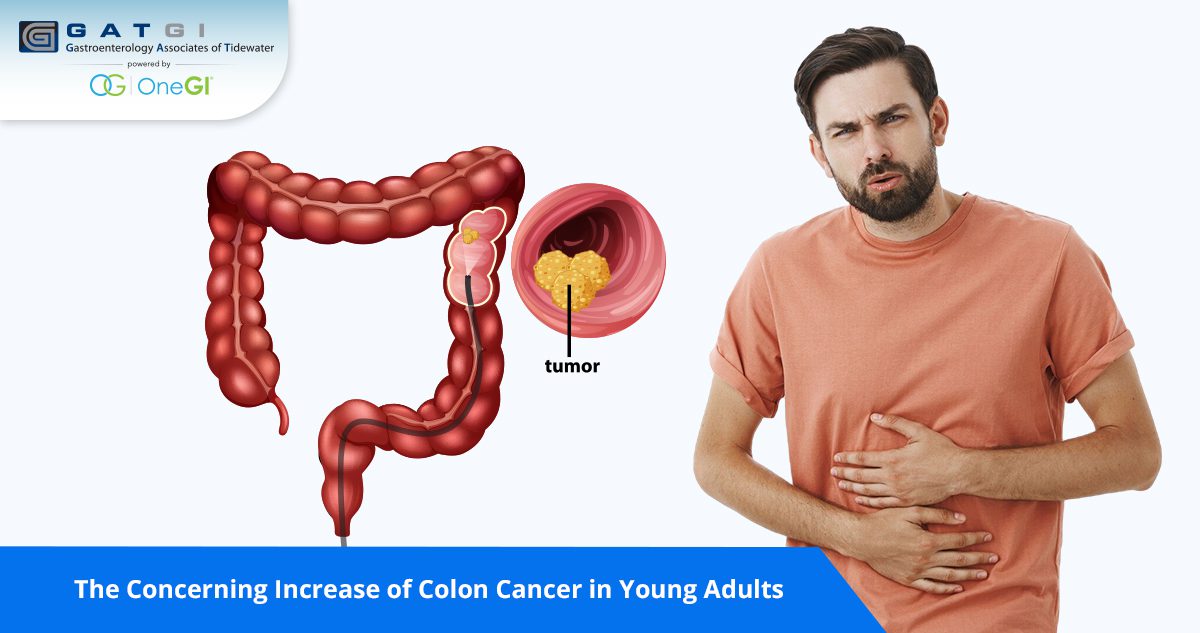
In recent years, a concerning trend has emerged within the Dutch healthcare landscape: a steady increase in cancer diagnoses in young adults. New data from the Integraal Kankercentrum Nederland (IKNL) reveals that more individuals between the ages of 18 and 39 are being diagnosed with cancer than in previous decades, signaling a shift that demands both clinical attention and public health scrutiny.
For those in the prime of their lives—navigating the start of careers, higher education, and the formation of young families—a cancer diagnosis is not merely a medical crisis but a life-altering event. The impact extends far beyond the initial treatment phase, creating a ripple effect of long-term physical, psychological, and socioeconomic consequences that differ significantly from those experienced by older patient populations.
As a physician and health journalist, I have seen how the intersection of lifestyle changes and improved diagnostic vigilance can complicate our understanding of disease incidence. The latest findings from the IKNL highlight a complex reality where better awareness is saving lives, but emerging environmental and behavioral factors may be driving the numbers upward. This trend is not uniform across the country, as regional disparities suggest that geography and local habits play a role in who is affected and how they are diagnosed.
The Rising Trend in Young Adult Diagnoses
The scale of the increase is evident when looking at national figures. According to data analyzed by the Integraal Kankercentrum Nederland (IKNL), the number of cancer diagnoses among young adults (aged 18 to 39) in the Netherlands rose from approximately 4,000 in 2015 to about 4,600 in 2025.
While the national trend is upward, some regions are experiencing a more acute surge. In the province of Limburg, the increase was notably higher than the national average. The IKNL reported a 15.9 percent increase in diagnoses in Limburg, with the number of cases rising from 252 to 292 during the same 2015–2025 period . For comparison, the province of Noord-Brabant saw a more modest increase of 8.2 percent.
These figures represent a significant public health challenge. When cancer strikes during young adulthood, the medical community must balance aggressive treatment—necessary for survival—with the long-term toxicity and side effects that these patients will have to live with for several more decades.
Regional Disparities and the “Border Effect”
Analyzing regional data requires a nuanced approach, particularly in border provinces like Limburg. The IKNL tracks diagnoses based on the registered home addresses of the patients. This means a young adult from Limburg who travels to Amsterdam for specialized treatment is still counted within the Limburg statistics.

However, this methodology has a critical blind spot. Marjon Kranenbarg, a spokesperson for the IKNL, notes that the current figures do not include Limburg residents who seek a diagnosis or treatment across the border in Belgium or Germany . This “border effect” suggests that the actual number of cases in these regions may be even higher than the official data indicates.
Identifying why some regions notice higher rates than others remains a difficult task. While certain urban areas may have higher rates of smoking, which is a known carcinogen, the IKNL emphasizes that finding a definitive explanation for these regional differences is challenging and often multifaceted.
Understanding the Drivers: Alertness vs. Lifestyle
The increase in cancer diagnoses in young adults is likely not driven by a single cause, but rather a combination of increased medical vigilance and shifting lifestyle patterns.
On one hand, there is the positive impact of increased health literacy. Young adults are becoming more alert to warning signs. For instance, those with a known family history of breast cancer are now more likely to seek screenings and check-ups early, leading to a higher rate of detection that might have gone unnoticed in previous generations .
the IKNL points toward the role of lifestyle factors. Diet, physical activity levels, and smoking habits continue to play a pivotal role in the development of certain types of cancer. The rise in diagnoses may reflect the long-term cumulative effect of these behaviors within the younger demographic.
The Long-Term Burden of Early-Onset Cancer
Survival rates for many cancers have improved, but for young adults, “survival” brings a unique set of challenges. An update from the IKNL on April 7, 2026, underscores that an increasing number of people are struggling with the enduring consequences of a cancer diagnosis sustained at a young age .
Unlike older patients, young adults face “late effects” of treatment during their most formative years. These can include:
- Fertility Issues: Chemotherapy and radiation can severely impact the ability to have children, necessitating complex discussions about fertility preservation before treatment begins.
- Psychological Trauma: Facing a life-threatening illness while peers are entering the workforce or starting families can lead to profound isolation, anxiety, and depression.
- Economic Instability: Long-term treatment and recovery can disrupt education and early career progression, potentially leading to lifelong financial disadvantages.
- Secondary Cancers: The very treatments used to cure an initial cancer in youth can sometimes increase the risk of developing a second, different cancer later in life.
Data-Driven Care via the Dutch Cancer Registry
To combat these trends and improve patient outcomes, the IKNL relies on the Nederlandse Kankerregistratie (NKR), or the Dutch Cancer Registry. As an independent knowledge institute, the IKNL uses this “real world data” to provide insights that drive better prevention and quality of care .
The NKR is essential given that it allows researchers to track trends in incidence, treatment efficacy, and survival rates over decades. By analyzing this data, healthcare providers can move toward more personalized medicine—tailoring treatments to the specific needs of young adults to minimize long-term toxicity while maximizing the chance of a cure.
Looking ahead, the IKNL is monitoring trends with a view toward 2032, predicting a general rise in cancer diagnoses across all age groups in the Netherlands, potentially reaching over 150,000 diagnoses per year . This projection highlights the urgent require for expanded oncology resources and a stronger focus on early-life prevention.
Key Takeaways on Young Adult Cancer Trends
| Metric | National Trend | Limburg Trend |
|---|---|---|
| Approx. Diagnoses (2015) | 4,000 | 252 |
| Approx. Diagnoses (2025) | 4,600 | 292 |
| Percentage Increase | ~15% | 15.9% |
The rise in cancer among the young is a reminder that oncology is not solely a concern for the elderly. As we continue to uncover the drivers behind these statistics, the focus must remain on integrated care that addresses not just the tumor, but the entire life of the patient.
The IKNL continues to update its findings through the Dutch Cancer Registry, with further reports on incidence and survival trends expected as part of their ongoing monitoring through 2032.
Do you or a loved one have experience navigating the healthcare system as a young adult patient? We encourage you to share your thoughts and experiences in the comments below to help foster a broader conversation on AYA (Adolescent and Young Adult) oncology care.