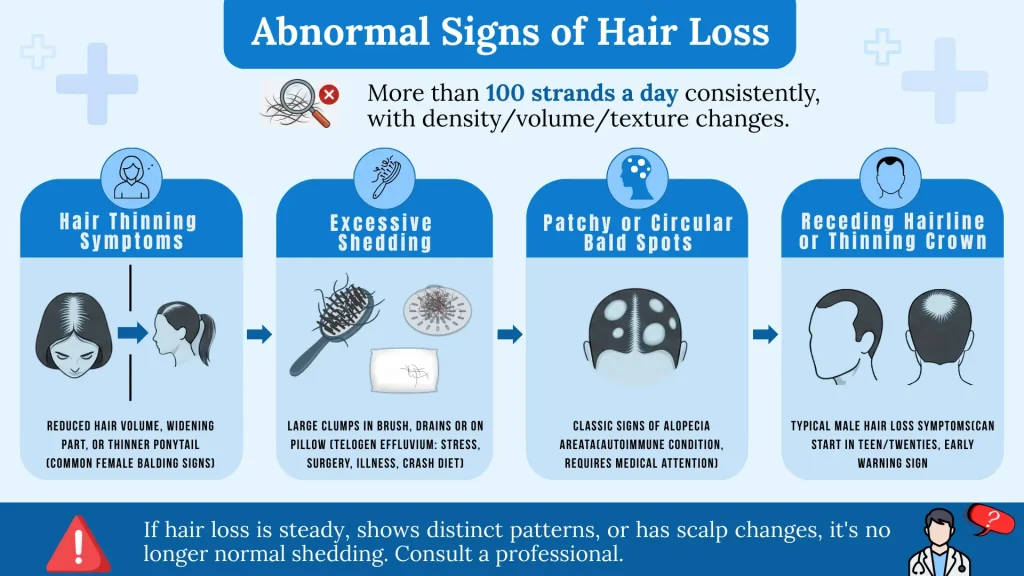
For many individuals, the gradual thinning of hair on the crown or hairline is a slow process that often goes unnoticed until it becomes significant. This common condition, known medically as alopecia or baldness, can lead to substantial psychological distress, affecting self-esteem and mental well-being.
Hair loss is a multifaceted issue that varies widely in severity, ranging from a small localized bald spot to the loss of hair across the entire body. While it is often associated with aging, the causes are diverse, spanning genetic predispositions, autoimmune responses and external physiological stressors.
Understanding the different types of hair loss is essential for determining the correct course of treatment. From the common patterns seen in men and women to sudden thinning following a stressful life event, the medical approach to restoring or maintaining hair depends entirely on the underlying cause.
As a physician and health journalist, I have seen how the desire to regain a youthful appearance leads many to seek surgical interventions globally. Though, before opting for procedures like hair transplants, it is critical to understand the biological drivers of hair loss and the clinically proven options available to manage the condition.
Understanding the Types and Causes of Alopecia
Hair loss is not a single condition but a group of different disorders. The most prevalent forms are pattern hair loss, which affects both genders, though the drivers differ. In men, male-pattern hair loss is typically caused by a combination of genetics and male hormones. In contrast, the exact cause of female-pattern hair loss remains unclear according to Wikipedia.
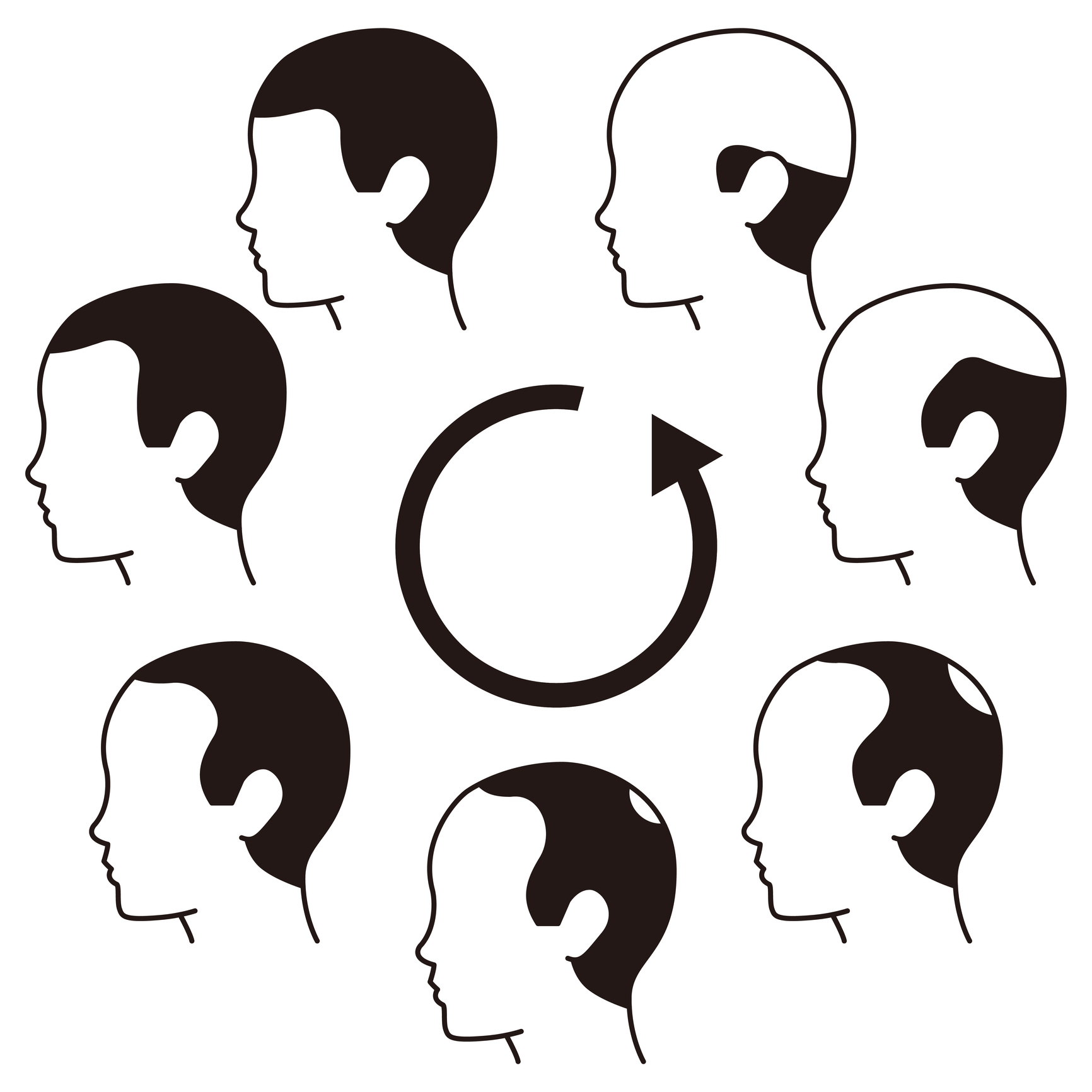
Beyond genetic patterns, there are other distinct forms of hair loss:
- Alopecia Areata: An autoimmune condition where the body’s immune system attacks hair follicles, often resulting in circular bald patches.
- Telogen Effluvium: A thinning of the hair that typically follows a physically or psychologically stressful event. This specific type of hair loss is noted to be very common following pregnancy per medical data.
There are likewise less common causes of hair loss that do not involve inflammation or scarring. These include the physical act of pulling out hair, malnutrition—specifically deficiencies in iron and vitamin B12—and medical conditions such as hypothyroidism or HIV/AIDS. Certain medical treatments, most notably chemotherapy, are also known to cause significant hair loss.
Treatment Options and Medical Interventions
The approach to treating hair loss depends heavily on the diagnosis. For those experiencing pattern hair loss, medications such as minoxidil and finasteride are commonly utilized to slow the process or encourage regrowth. For those suffering from alopecia areata, steroid injections are often the preferred medical intervention as detailed by Wikipedia.
In cases where medication is insufficient or the patient prefers a more permanent aesthetic change, surgery is an option. This includes hair transplantation, a procedure that has seen a surge in “medical tourism,” with many patients traveling to specific hubs for the operation. Other options include shaving balding areas or simply accepting the condition as a natural part of aging.
while some treatments can reverse or slow the loss, the effectiveness varies based on the individual’s health history and the specific type of alopecia they are experiencing as noted by the Mayo Clinic.
Key Takeaways for Patients
- Prevalence: By age 50, pattern hair loss affects approximately 50% of males and 25% of females.
- Diagnosis: Because causes range from autoimmune issues to nutritional deficiencies, a professional dermatology consultation is necessary for accurate diagnosis.
- Psychological Impact: Hair loss is not merely cosmetic; it frequently causes significant psychological distress.
- Treatment Variety: Options range from topical medications and injections to surgical procedures and lifestyle adjustments.
Navigating the Path to Recovery
When considering treatment, especially surgical options abroad, patients should be aware of the risks and the necessity of post-operative care. The decision to undergo a procedure should be based on a clear understanding of the expected outcome and the underlying cause of the hair loss.
For those dealing with telogen effluvium or loss due to malnutrition, the focus is often on addressing the root cause—such as stabilizing stress levels or correcting vitamin deficiencies—which may allow the hair to regrow naturally over time.
Because hair loss can be a symptom of other systemic health issues, such as hypothyroidism or anemia, a comprehensive blood panel is often the first step in a clinical setting to rule out internal health complications before pursuing cosmetic solutions.
For those seeking further information on managing hair loss, consulting a board-certified dermatologist is the recommended next step to establish a personalized treatment plan.
We encourage our readers to share their experiences with hair loss treatments and medical journeys in the comments below.