
For many women, a routine mammogram is a standard part of preventative healthcare. However, for women living with disabilities, the path to a screening clinic is often blocked by a series of invisible and physical barriers. From non-adjustable examination tables to a lack of specialized communication support, the healthcare system frequently fails those who need its protection most.
In Mulhouse, France, a recent initiative sought to dismantle these barriers through a targeted campaign described as “three exceptional days” of cancer screening. By transforming the clinical experience into an inclusive, adapted environment, the program aimed to reach women who have historically been marginalized by traditional healthcare delivery models.
As a physician and health journalist, I have seen how systemic gaps in cancer screening for women with disabilities lead to delayed diagnoses and poorer clinical outcomes. When the environment is not designed for accessibility, the result is not just inconvenience—it is a critical failure in public health. The Mulhouse initiative provides a vital case study in how localized, intentional interventions can bridge the gap between medical guidelines and actual patient access.
The Mulhouse Model: Prioritizing Inclusive Access
The screening event in Mulhouse was designed to address the specific anxieties and physical challenges that often deter women with disabilities from seeking preventative care. Rather than expecting patients to adapt to a rigid clinical setting, the initiative adapted the clinical setting to the patients.
The “exceptional” nature of these three days centered on the removal of friction points. This included the use of adapted equipment, the presence of staff trained in disability awareness, and a scheduling process that accounted for the complex transportation needs often associated with severe mobility impairments. By creating a “safe space” for screening, the organizers aimed to reduce the psychological stress and physical discomfort that frequently accompany medical visits for this population.
This approach recognizes that accessibility is not merely about ramps and elevators. True inclusivity in healthcare involves “reasonable accommodations”—a concept supported by the World Health Organization (WHO)—which requires health systems to modify environments and protocols to ensure equitable care for all individuals, regardless of their physical or cognitive abilities.
The Systemic Barriers to Preventative Care
The need for such targeted initiatives stems from a persistent disparity in how preventative medicine is delivered. Women with disabilities often face a “double burden” of discrimination: the gender-based gaps in healthcare and the systemic neglect of disability needs.
Common barriers identified by patient advocates and health providers include:
- Physical Infrastructure: Many mammography machines and examination tables are not height-adjustable, making it impossible for women in wheelchairs to be positioned correctly for an accurate scan.
- Communication Gaps: A lack of sign language interpreters or accessible health literature can leave women with sensory or intellectual disabilities unable to provide informed consent or understand the screening process.
- Provider Bias: “Diagnostic overshadowing” occurs when clinicians attribute all symptoms to a patient’s disability, potentially overlooking the early warning signs of malignancy.
- Logistical Hurdles: The reliance on specialized transport makes the “quick” appointment of a screening mammogram a day-long logistical challenge.
When these barriers remain, the result is a lower rate of early detection. Because cancer is most treatable when found in its earliest stages, any delay in screening directly correlates to a decrease in survival rates and an increase in the need for more aggressive, invasive treatments.
Clinical Implications of Delayed Detection
From a clinical perspective, the stakes of inclusive screening are incredibly high. Early detection through mammography or cervical screening can identify precancerous lesions or small tumors before they metastasize to other organs.
For women with disabilities, the risks of delayed detection are compounded. Some disabilities may mask the early physical symptoms of cancer—such as a lump in the breast or unusual pelvic pain—meaning that screening is the only reliable way to catch the disease early. When a diagnosis is delayed until symptoms become obvious, the cancer is more likely to be at a later stage, which complicates the treatment plan and requires more intensive medical interventions that may be harder to manage alongside existing disability-related care.
The Mulhouse initiative serves as a reminder that “equal access” is not the same as “equitable access.” Providing the same clinic to everyone is equal, but providing an adapted clinic to those who cannot use a standard one is equitable. This distinction is where lives are saved.
Scaling Inclusive Healthcare Beyond Local Events
While “exceptional” days of screening are a powerful tool for immediate impact, the long-term goal must be the integration of these practices into permanent healthcare infrastructure. Temporary campaigns provide a necessary surge in screenings, but they do not solve the underlying systemic failure.
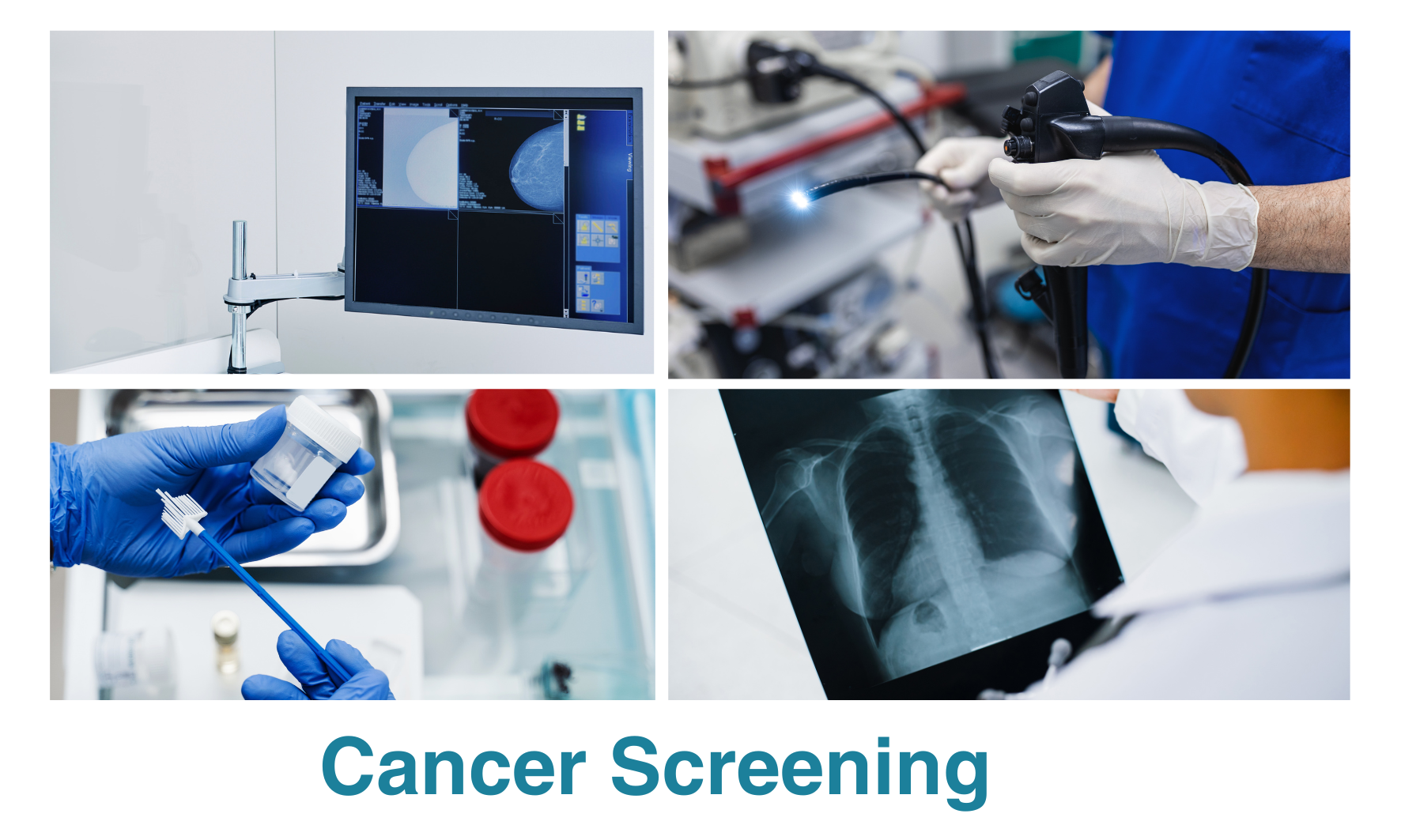
To move toward a sustainable model of cancer screening for women with disabilities, health systems should implement the following structural changes:
- Universal Design: Investing in height-adjustable imaging equipment as a standard requirement for all new clinic procurements.
- Mandatory Training: Integrating disability competence training into the curriculum for radiologists, nurses, and administrative staff.
- Integrated Transport: Partnering with social services to provide seamless “door-to-door” transport for screening appointments.
- Patient Navigation: Assigning dedicated health navigators to help women with disabilities manage the scheduling and preparation for their screenings.
By shifting the burden of adaptation from the patient to the provider, healthcare systems can ensure that preventative care is a right, not a privilege reserved for those whose bodies fit the standard clinical mold.
The success of the Mulhouse campaign highlights a critical truth: when the barriers are removed, women with disabilities will seek the care they need. The lack of screening is rarely a lack of will on the part of the patient; it is a lack of accessibility on the part of the system.
The next step for health authorities in the region will be to evaluate the outcomes of these screening days and determine how to integrate these adapted protocols into the permanent regional health strategy. Official reports on the number of screenings performed and any subsequent diagnoses are expected to inform future funding for inclusive health initiatives.
Do you believe your local health clinics are sufficiently adapted for patients with disabilities? Share your experiences in the comments below or share this article to raise awareness about the need for inclusive preventative care.
Related reading
- Blood Donation Drive in Clefmont: August 5th at the Cultural Center
- Beyond Disclosure: Why Healthcare Price Transparency Fails Without Patient Understanding
- Universal Screening Could Increase CMV Detection in Newborns (archynewsy.com)
- Gyeonggi Province Discusses Educational Systems to Expand Employment Support for Persons with Disabilities (archyde.com)