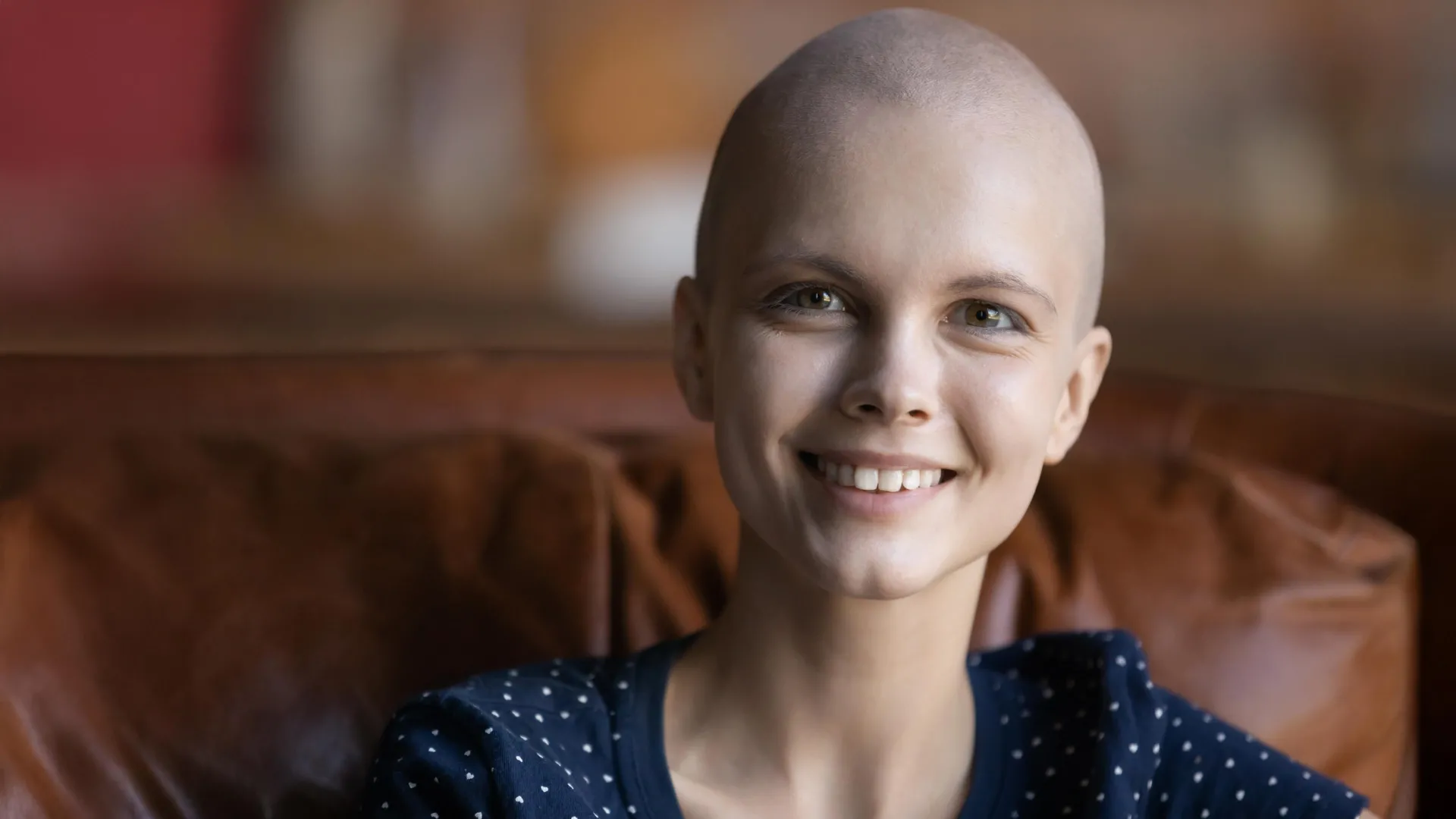
Young Cancer Survivors Face Accelerated Aging, Potential Cognitive Decline
Surviving cancer in youth, while a triumph over a devastating disease, can come at a long-term cost: accelerated biological aging and a heightened risk of cognitive impairment. New research published in Nature Communications reveals that individuals who battled cancer as children or young adults exhibit signs of aging at a faster rate than their peers, impacting brain function and potentially increasing the risk of early-onset dementia. This concerning trend, observed in both cellular markers and cognitive performance, underscores the need for proactive monitoring and interventions to support the long-term health of cancer survivors.
The study, led by AnnaLynn Williams, PhD, of the University of Rochester Wilmot Cancer Institute and co-corresponding author Kevin Krull, PhD, of St. Jude Children’s Research Hospital, examined a cohort of over 1,400 long-term survivors of childhood cancer. Researchers found a strong correlation between biological age – as measured by epigenetic changes and telomere length – and cognitive function, specifically in areas like memory, attention, and processing speed. These findings highlight the complex and lasting effects of cancer treatment on the developing body and brain.
While cancer treatment is life-saving, it can also inflict collateral damage. Chemotherapy, in particular, appears to be a significant driver of accelerated aging, due to its impact on DNA structure and cellular health. However, even survivors who did not undergo chemotherapy showed signs of faster biological aging, suggesting that the cancer itself, and the body’s response to it, can contribute to this process. The research team is now focused on understanding *when* this accelerated aging begins – during treatment, or in the years that follow – to better target preventative strategies.
The implications of these findings are far-reaching. Many young cancer survivors are navigating critical life stages – completing education, building careers, and starting families – and cognitive challenges can significantly impede their progress. As Dr. Williams poignantly notes, “It’s kind of like a perfect storm,” leading to worse educational and employment outcomes compared to their siblings. This research underscores the urgent need for comprehensive, long-term care for cancer survivors, extending far beyond the initial treatment phase.
Biological Aging and Brain Health: A Closer Look
The study employed several biomarkers to assess biological age, including epigenetic age acceleration (EAA) and leukocyte telomere length (mLTL). Epigenetic clocks measure changes in DNA methylation patterns, which accumulate with age and can provide an indication of biological age independent of chronological age. Telomeres, protective caps on the ends of chromosomes, shorten with each cell division, and their length is also associated with aging and overall health. Researchers found that higher EAA, measured by specific epigenetic clocks like PCGrimAge and DunedinPACE, was associated with poorer performance on cognitive tests in survivors treated with central nervous system (CNS)-directed therapy.
Interestingly, the connection between biological age and cognitive function varied depending on the type of treatment received. Among survivors who underwent CNS-directed therapy (treatments that affect the brain and spinal cord), higher EAA was linked to difficulties with attention, processing speed, and executive functions. In survivors who did *not* receive CNS-directed therapy, the association was more specific to attention variability. MLTL, however, did not present a significant association with neurocognition in this study.
The link between accelerated aging and cognitive decline isn’t merely theoretical. Survivors with a higher biological age relative to their chronological age demonstrated more difficulty with memory and attention, impacting their ability to function effectively in daily life. This connection is particularly concerning given the potential for long-term consequences, including an increased risk of dementia later in life. The study builds on earlier data presented in 2022 at the American Society of Hematology, further solidifying these findings. Researchers at the University of Rochester are actively investigating the underlying mechanisms driving this accelerated aging process.
Hope for Reversal: Lifestyle Interventions and Ongoing Research
Despite the concerning findings, the research offers a glimmer of hope. Ongoing work at the Wilmot Cancer Institute suggests that some of the accelerated aging observed in young survivors may be reversible through lifestyle modifications. Dr. Williams emphasizes that adopting healthy habits such as quitting smoking, exercising regularly, and improving diet can potentially slow down or even reverse the aging process.
This potential for intervention is particularly encouraging, given that young cancer survivors have many decades of life ahead of them. “So, if these accelerated aging changes are occurring early on and setting them on a different trajectory, the goal is to intervene to not only increase their lifespan but improve their quality of life,” Dr. Williams explained. Researchers are currently conducting pilot studies to examine the impact of specific interventions on biological aging markers and cognitive function.
One recent pilot study, led by Dr. Williams and John Ashton, PhD, MBA, director of the Genomics Shared Resource at Wilmot, involved analyzing tissue and cell samples from individuals with Hodgkin lymphoma before and after treatment, comparing them to samples from healthy controls. This research aims to determine whether the aging process begins during treatment or develops later in life. Further studies are underway in women with breast cancer and older adults with leukemia, exploring potential strategies to mitigate treatment-related aging.
The National Cancer Institute is providing funding for Dr. Williams’ research, highlighting the importance of this area of investigation. The study included approximately 1,400 participants treated at St. Jude Children’s Research Hospital, with the majority having been treated for acute lymphoblastic leukemia (ALL) or Hodgkin lymphoma. All participants were at least five years past their cancer therapy, with some being decades-long survivors.
What Does This Mean for Cancer Survivors and Their Families?
The findings from this research underscore the importance of long-term follow-up care for cancer survivors. Regular monitoring of cognitive function and biological aging markers can facilitate identify individuals at risk for accelerated aging and allow for early intervention. Survivors should discuss their concerns with their healthcare providers and explore strategies to optimize their health and well-being.
For families of cancer survivors, understanding these potential long-term effects is crucial. Providing support and encouragement for healthy lifestyle choices can make a significant difference in a survivor’s quality of life. Advocating for access to comprehensive survivorship care programs is also essential.
The research team is continuing to investigate the underlying mechanisms driving accelerated aging in cancer survivors and to develop targeted interventions to mitigate its effects. The next step involves pinpointing the precise timing of when this accelerated aging begins, which will inform the development of more effective preventative strategies. Ongoing research at Wilmot is also exploring the potential of exercise and other lifestyle interventions to reverse treatment-related aging.
The findings from this study will be presented at upcoming medical conferences and published in peer-reviewed journals. Researchers encourage cancer survivors and their families to stay informed about the latest developments in survivorship care. Further updates on this research will be available on the University of Rochester Wilmot Cancer Institute website.
Key Takeaways:
- Young cancer survivors are at risk of experiencing accelerated biological aging.
- This accelerated aging is linked to cognitive impairment, including difficulties with memory and attention.
- Chemotherapy appears to be a significant contributor to accelerated aging, but the cancer itself also plays a role.
- Lifestyle interventions, such as exercise and a healthy diet, may help slow down or reverse the aging process.
- Long-term follow-up care and regular monitoring are crucial for cancer survivors.
Here’s a developing area of research, and ongoing studies are needed to fully understand the long-term effects of cancer treatment on aging and cognitive function. We encourage readers to share their experiences and perspectives in the comments below.
Related reading