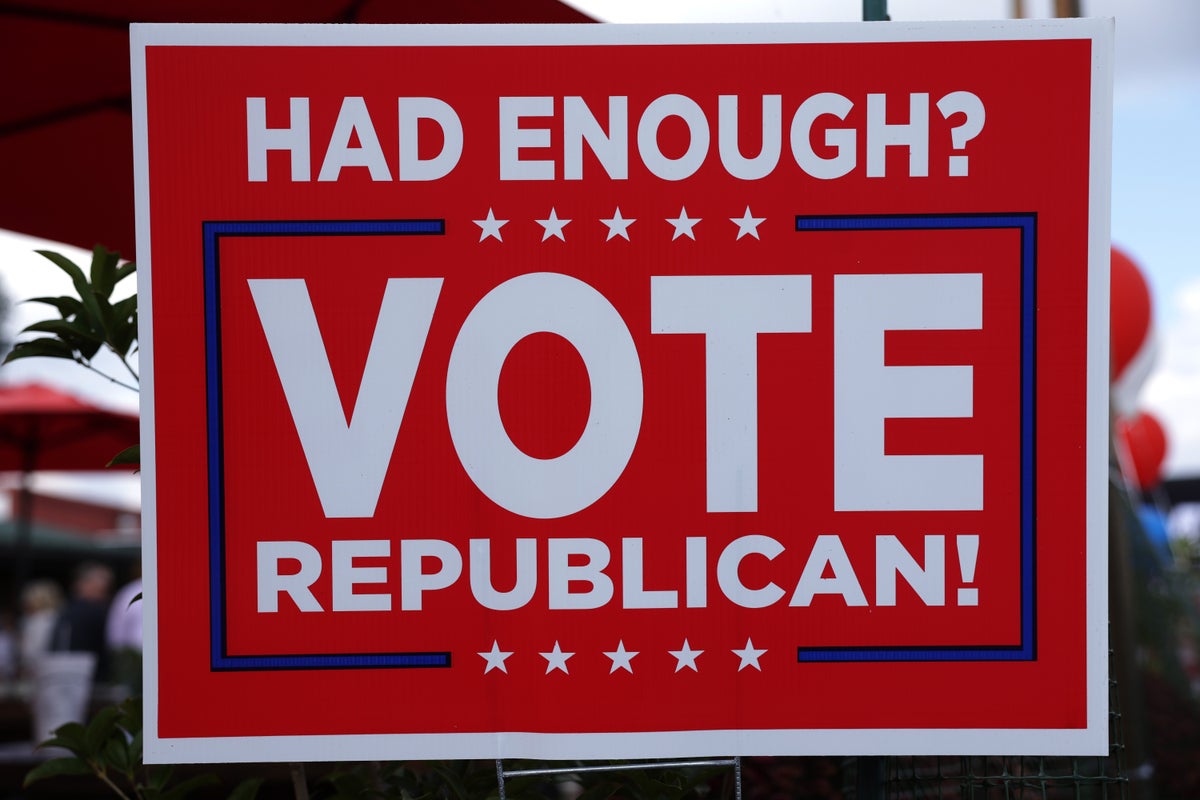
As the American political landscape shifts toward the 2028 election cycle, the Republican Party faces a defining question: can the coalition built during the 2024 presidential election remain cohesive without Donald Trump at the helm? Recent analysis suggests that the GOP is currently navigating deep ideological and generational tensions, leading to an unpredictable search for future leadership that resonates with an increasingly diverse and working-class base.
Amid this climate, observers are tracking potential shifts in voter sentiment. While traditional party figures continue to define the current platform, some political analysts and focus group moderators have noted that unconventional names are beginning to surface in discussions regarding the party’s future direction. One unlikely name is gaining steam for Republicans in 2028, focus group expert says, as voters look for candidates who represent a departure from established institutional norms.
The Republican Party’s internal dynamics have been the subject of extensive research, including a national survey conducted by the Manhattan Institute. Published in December 2025, this study examined the coalition assembled by Donald Trump in 2024, surveying nearly 3,000 voters to understand the evolving priorities of the GOP. The data highlights a divide between longstanding party members, who remain focused on traditional conservative economic and foreign policies, and newer entrants who bring different cultural priorities and a skepticism toward established institutional structures.
Understanding the Shifting GOP Coalition
The research indicates that the modern Republican Party is no longer a monolith. The majority segment of the party continues to advocate for lower taxes, a hawkish stance on China, and strong support for Israel, while maintaining a firm opposition to progressive policies concerning DEI and transgender issues. However, a significant minority of the coalition, which has grown over the past two presidential cycles, exhibits a different worldview.
These new entrants are often characterized by their disaffection with traditional politics and a desire for leadership that challenges the status quo. This demographic shift is central to the conversation surrounding potential 2028 candidates. As the party grapples with these internal differences, voters are evaluating who can best maintain the momentum of the Trump-era coalition while addressing the concerns of a multi-ethnic, working-class base that feels increasingly alienated from mainstream political discourse.
The Role of Populism and Voter Sentiment
Focus group discussions serve as a key barometer for these sentiments. When voters are asked to look beyond the current political cycle, the emergence of non-traditional candidates often reflects a broader desire for political disruption. This trend is not merely about policy; it is about identity, cultural priorities, and the perceived authenticity of those who seek to lead.
The Manhattan Institute’s findings underscore that the party’s future stability depends on its ability to reconcile these disparate groups. Whether the coalition remains united or fractures into competing factions will depend largely on which leaders can successfully articulate a vision that bridges the gap between the party’s historical base and its newer, more populist elements.
Looking Toward 2028 and Beyond
As the political calendar moves forward, the process of identifying a standard-bearer for the next cycle will likely involve intense debate over the direction of the conservative movement. The focus on individuals who operate outside the traditional political hierarchy is a clear signal that a segment of the electorate is seeking alternatives to conventional governance.

For those following these developments, the next several months will be critical in determining which figures gain national traction. While the formal primary process remains in the future, the ongoing discourse within focus groups and public opinion research provides a window into the evolving preferences of the American electorate. The challenge for the GOP will be to maintain a cohesive message that satisfies its diverse coalition while navigating the competing demands of its traditional and emerging wings.
We invite our readers to share their perspectives on the future of the Republican coalition in the comments section below. As the 2028 election cycle draws closer, we will continue to provide updates on candidate developments and shifts in the political landscape as they are officially announced.