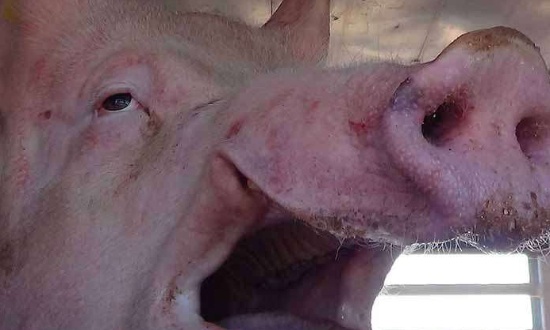
Animal welfare organizations and advocacy groups in Belgium are renewing calls for an immediate suspension of live animal transport during periods of extreme heat, citing significant risks to livestock health and welfare. The push for a moratorium on the movement of animals to slaughterhouses during heatwaves—often referred to as canicule in French-speaking regions—follows ongoing concerns regarding the physiological stress endured by animals in transit when temperatures spike.
According to guidelines established by the European Food Safety Authority (EFSA), high ambient temperatures significantly increase the risk of heat stress, dehydration, and mortality in transported animals. Because animals in transit have limited access to ventilation and cooling, advocacy groups argue that current regulations are insufficient to protect them during extreme weather events, necessitating a complete halt to such operations when a heatwave is officially declared.
Regulatory Framework for Animal Transport in the EU
The transport of live animals within the European Union is governed by Council Regulation (EC) No 1/2005, which sets specific requirements for the protection of animals during transport. The regulation mandates that transporters must ensure animals are fit for the intended journey and that vehicles provide adequate space, ventilation, and access to water.

However, critics note that the regulation does not include a strict “stop” trigger based solely on temperature, leaving much of the enforcement to the discretion of national authorities. In Belgium, the Federal Public Service (FPS) Health, Food Chain Safety and Environment oversees the implementation of these standards. While the ministry issues advisories during heatwaves, animal welfare advocates argue that these recommendations lack the binding legal force required to prevent cases of animal distress effectively.
Physiological Impact of Heat Stress on Livestock
Transporting livestock, particularly cattle and pigs, during a canicule presents acute physiological challenges. Research published by the World Organisation for Animal Health (WOAH) indicates that animals often struggle to maintain thermoregulation when confined in transport vehicles, where the microclimate can be significantly hotter than the external environment.

Heat stress in transport can lead to elevated heart rates, respiratory distress, and, in severe cases, death. Because animals are often transported in high-density conditions, the inability to move or seek cooler air exacerbates these conditions. Advocacy groups are pushing for a policy shift that would prioritize the prevention of these outcomes over the economic efficiency of the supply chain, particularly as heatwaves become more frequent due to shifting climate patterns.
The Path Forward and Legislative Pressure
The debate over transport bans is part of a broader discourse regarding the modernization of animal welfare laws in Europe. The European Commission has signaled intent to revise existing animal welfare legislation, including rules on transport, to better reflect current scientific consensus on animal sentience and stress management.
For stakeholders in Belgium, the next steps involve potential regional legislative adjustments. Organizations continue to petition for strict temperature thresholds—above which transport would be prohibited—to be codified into law. As of the latest updates from the Flemish Government and the Walloon Public Service, local authorities maintain that they monitor compliance during heatwaves, but a national ban remains a subject of active political and public debate.
Readers interested in the latest directives or official animal welfare protocols can monitor the website of the Federal Agency for the Safety of the Food Chain (AFSCA), which is responsible for the oversight of transport inspections. Public discourse regarding these measures remains active on social media platforms, where community members continue to share updates on local temperature forecasts and advocacy campaigns.
We welcome your thoughts on these proposed measures. Please share this report if you found this summary of the current regulatory climate in Belgium helpful.
Keep reading