
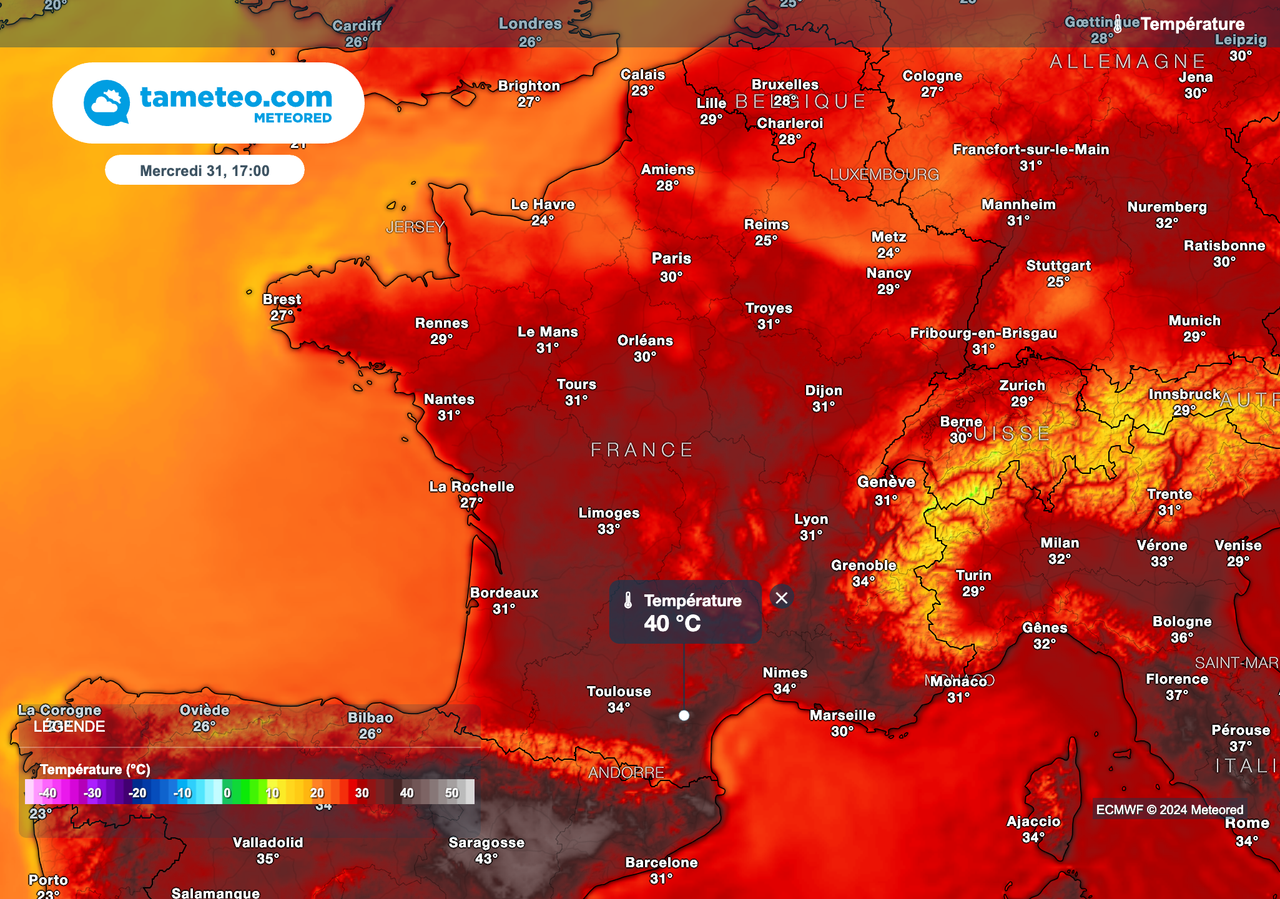
French public health authorities have signaled a potential shift in policy regarding school closures during extreme heatwaves, as a surge in temperature-related alerts continues to impact the country. With 35 departments placed under red alert for heatwaves and an additional 45 under orange vigilance as of recent reporting, officials are weighing the necessity of stricter protective measures for students. According to statements from the Santé publique France, the national public health agency, the threshold for preventive closures may need to be lowered to ensure child safety as climate-related thermal stress becomes more frequent.
Addressing Heatwave Risks in Educational Settings
The discussion centers on whether the current criteria for closing schools during extreme heat are sufficient to protect vulnerable populations. Public health experts have suggested that authorities must be prepared to take decisive action, including the closure of educational facilities, if temperatures pose a significant risk to health. This approach reflects a growing consensus that standard heat protocols, which often rely on specific temperature thresholds, may require more flexibility to account for the cumulative effects of prolonged heat exposure on children, as noted by official government guidance on heatwave management.
The current vigilance system, managed by Météo-France, categorizes heat risks into four levels: green, yellow, orange, and red. A red alert indicates a period of extreme heat that is dangerous for the entire population and requires active intervention. The recent designation of 35 departments as red zones highlights the geographic scale of the current event, prompting localized responses from regional prefectures and educational authorities tasked with overseeing school operations during high-alert periods.
Public Health Strategies and Climate Adaptation
Medical professionals emphasize that children are particularly susceptible to heat-related illnesses, such as heat exhaustion and heatstroke, because their thermoregulatory systems are still developing. In a professional capacity, I have observed that beyond simple hydration protocols, structural changes to school buildings—such as improved insulation and shading—are becoming essential components of long-term public health policy. The National Heatwave Plan (Plan National Canicule) serves as the primary framework for these interventions, requiring schools to implement specific cooling measures when orange or red alerts are activated.
The challenge for policymakers lies in balancing the continuity of education with the immediate health needs of the student body. While remote learning was utilized extensively during the COVID-19 pandemic, implementing it as a standard response to heatwaves remains a complex logistical issue. Authorities are currently reviewing data from previous summers to determine if standardized “trigger points” for school closures can be established at a national level, rather than leaving the decision entirely to individual municipal or regional administrators.
Monitoring and Future Guidance
For parents and school staff, the primary source for real-time information remains the Météo-France vigilance map, which is updated at least twice daily. Local prefectures are responsible for issuing specific directives regarding school attendance in departments under red alert. These directives are based on local infrastructure capacity, including the availability of air-conditioned spaces within schools and the ability of transport systems to operate safely during peak heat hours.
As the frequency of these events increases, the integration of health and climate data into school management policies will likely remain a priority for the Ministry of National Education. Further updates regarding school safety protocols are expected to be released as the summer season progresses and climatological data is synthesized by national health committees. Readers are encouraged to monitor official communications from their local Service-Public.fr portals for the most accurate information regarding school operations in their specific district.
Have questions about how to protect your family during these high-temperature events? Share your thoughts or local updates in the comments section below.
Related reading