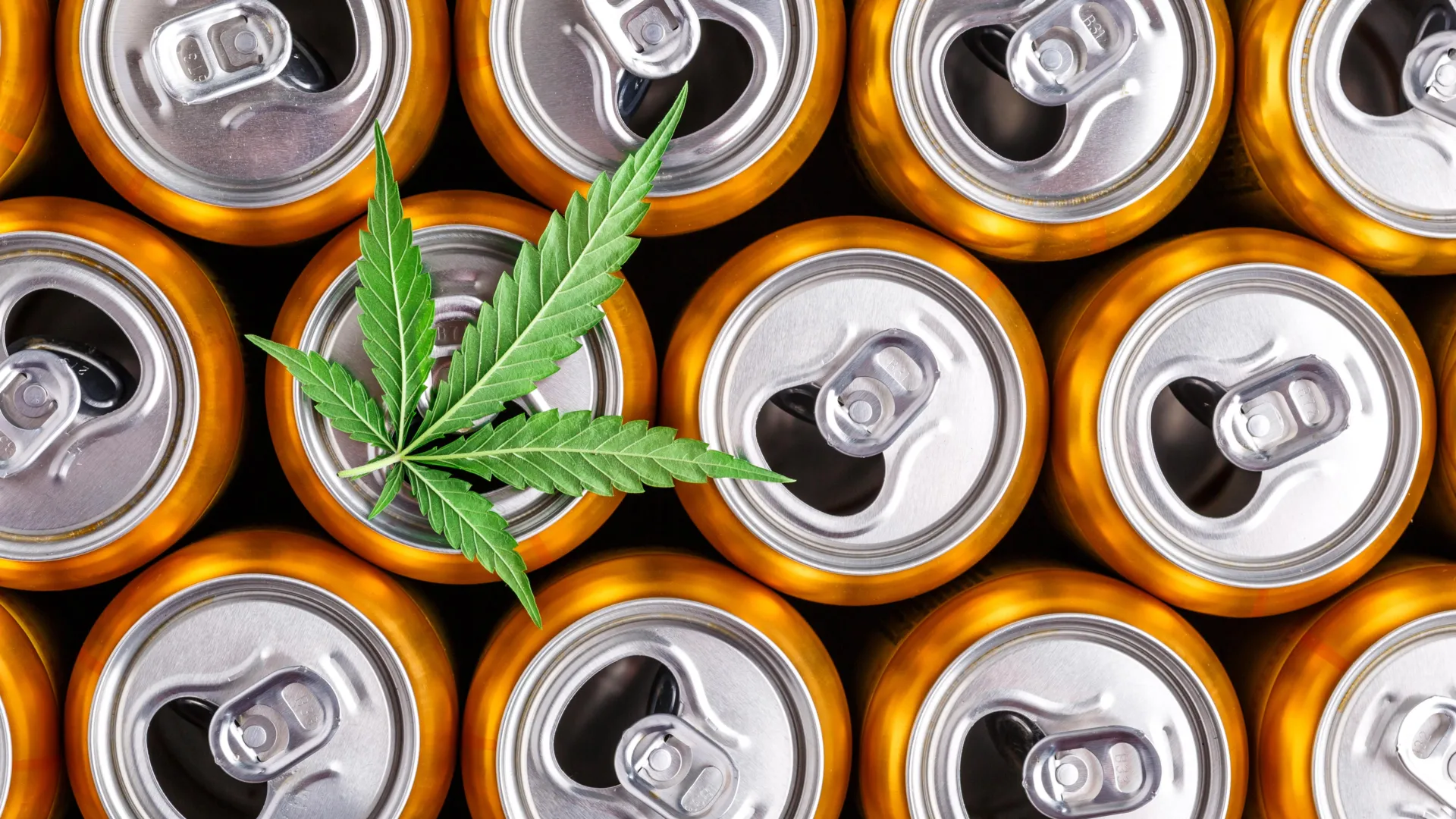
The social landscape of alcohol consumption may be shifting, with emerging research suggesting that cannabis-infused beverages could offer a pathway for individuals to reduce their reliance on traditional alcoholic drinks. A new study from the University at Buffalo indicates that people who opt for these cannabis beverages report a significant decrease in weekly alcohol intake, and a reduction in episodes of binge drinking. This finding arrives at a time when the cannabis beverage market is experiencing rapid growth, and as more individuals actively seek ways to moderate their alcohol consumption.
Alcohol remains a significant public health concern globally. The World Health Organization estimates that harmful use of alcohol results in 3 million deaths each year, representing 5.3% of all deaths. The WHO also links alcohol use to more than 200 diseases and injuries, including cancers, cardiovascular diseases, and liver cirrhosis. Given these substantial health risks, exploring alternative options for social relaxation and enjoyment is a growing area of interest for both public health officials and individuals alike.
The University at Buffalo study, published in the Journal of Psychoactive Drugs, is the first of its kind to specifically examine the potential of cannabis beverages as a tool for alcohol harm reduction. Researchers surveyed 438 adults who had used cannabis in the past year, finding that nearly 56% also consumed alcohol. Approximately one-third of the participants reported using cannabis beverages, typically consuming one per occasion. The study highlights a growing trend: individuals are actively seeking alternatives to alcohol, and cannabis beverages may be filling that niche.
Cannabis Beverages as a Substitute for Alcohol
The study revealed a compelling pattern: participants who chose cannabis beverages were significantly more likely to report substituting cannabis for alcohol (58.6%) compared to those who used other forms of cannabis (47.2%). This suggests that the format of a beverage – something familiar in social settings – may be a key factor in facilitating this substitution. As Daniel Kruger, PhD, a co-author of the study and a research associate professor at UB’s School of Public Health and Health Professions, explained, “It’s remarkable that people who use cannabis beverages report an even greater reduction in alcohol use than those who use other types of cannabis products.”
This observation points to the contextual element of consumption. The researchers theorize that the act of holding a can or bottle – a common practice at social gatherings – may make a cannabis beverage a more natural replacement for an alcoholic drink. “People at parties or bars will likely have a drink in their hand, in this case a cannabis beverage rather than an alcoholic one,” Kruger added. This ease of substitution could be a crucial element in reducing overall alcohol consumption.
Understanding the Study’s Findings
The study participants who began using cannabis beverages experienced a noticeable shift in their drinking habits. On average, they reported consuming 3.35 alcoholic beverages per week after incorporating cannabis drinks into their routine, a significant decrease from the 7.02 drinks consumed weekly beforehand. They reported fewer instances of binge drinking. Notably, nearly two-thirds (62.6%) of respondents indicated they either reduced (61.5%) or completely stopped (1.1%) drinking alcohol after starting to use cannabis beverages. Only a small percentage (3.3%) reported an increase in alcohol consumption.
The majority of respondents (89.5%) consumed cannabis beverages containing 10 mg of cannabidiol (CBD) or less. Approximately 10.4% used beverages with higher CBD content, whereas nearly half (48%) were unsure of the CBD levels in their drinks. The role of CBD in these effects warrants further investigation, as CBD is known for its potential anxiolytic and calming properties, which could contribute to the reduction in alcohol cravings or the desire for intoxication.
The Expanding Cannabis Beverage Market
The growing interest in cannabis beverages coincides with a rapidly expanding market. Euromonitor, a market research firm, estimates that global sales of cannabis beverages could surpass $4 billion by 2028. This growth is fueled by increasing legalization of cannabis for adult use across various states and countries, and a growing consumer base seeking alternatives to alcohol. In New York State, the first legally sold cannabis beverage became available in January 2023, following the commencement of licensed cannabis sales.
The study also found that a substantial majority (82%) of participants who used cannabis beverages purchased their products from licensed medical or adult-use dispensaries, indicating a preference for regulated and tested products. This preference underscores the importance of establishing robust regulatory frameworks to ensure product safety and quality as the market continues to evolve.
Harm Reduction: A Public Health Approach
The University at Buffalo research aligns with the principles of harm reduction, a public health strategy focused on minimizing the negative consequences associated with substance use. Rather than solely focusing on abstinence, harm reduction acknowledges that many individuals will continue to use substances, and aims to reduce the risks associated with that use. Jessica Kruger, PhD, the study’s first author and a clinical associate professor at UB’s School of Public Health and Health Professions, emphasized this point, stating, “In the first study of its kind, we introduce the concept of having cannabis as harm reduction for alcohol.”
Kruger also noted that while cannabis has been explored as a harm reduction tool for other substances, such as opioids, its potential in relation to alcohol has received less attention. She acknowledged that broader acceptance of cannabis as an alcohol alternative may take time, stating, “I feel we have a long way to head before this is seen as mainstream as cannabis beverages are a new modality of use.”
Potential Implications and Future Research
The findings of this study suggest that cannabis beverages could play a role in reducing alcohol-related harm. However, it’s crucial to acknowledge the limitations of the research. The study relied on self-reported data, which can be subject to recall bias. The sample size of 438 participants, while significant, may not be fully representative of the broader population.
The researchers plan to continue investigating the long-term effects of cannabis beverage consumption on drinking behavior and to compare different methods of cannabis use. Further research is also needed to explore the optimal dosage of CBD and THC (tetrahydrocannabinol) in cannabis beverages for maximizing harm reduction benefits. Understanding the interplay between these cannabinoids and their effects on alcohol consumption is essential for developing evidence-based guidelines, and recommendations.
The increasing availability of cannabis beverages presents both opportunities and challenges. While these beverages may offer a less harmful alternative to alcohol for some individuals, it’s important to approach their use with caution and awareness. Responsible consumption, adherence to legal regulations, and ongoing research are crucial for maximizing the potential benefits of cannabis beverages while minimizing potential risks.
Looking ahead, continued monitoring of the cannabis beverage market and its impact on alcohol consumption patterns will be essential. Public health officials, researchers, and policymakers will need to collaborate to develop effective strategies for promoting responsible cannabis use and reducing alcohol-related harm. The University at Buffalo team’s ongoing research promises to provide valuable insights into this evolving landscape.
Key Takeaways
- Individuals who switch to cannabis beverages report a significant reduction in weekly alcohol consumption.
- Cannabis beverages may offer a viable alternative to alcohol, particularly in social settings.
- The expanding cannabis beverage market presents both opportunities and challenges for public health.
- Further research is needed to optimize the use of cannabis beverages for harm reduction.
Researchers will continue to study the effects of cannabis beverages on drinking behavior over time. The next steps involve comparing different methods of cannabis consumption and analyzing the long-term impact on public health. Readers are encouraged to share their thoughts and experiences in the comments below.
Worth a look