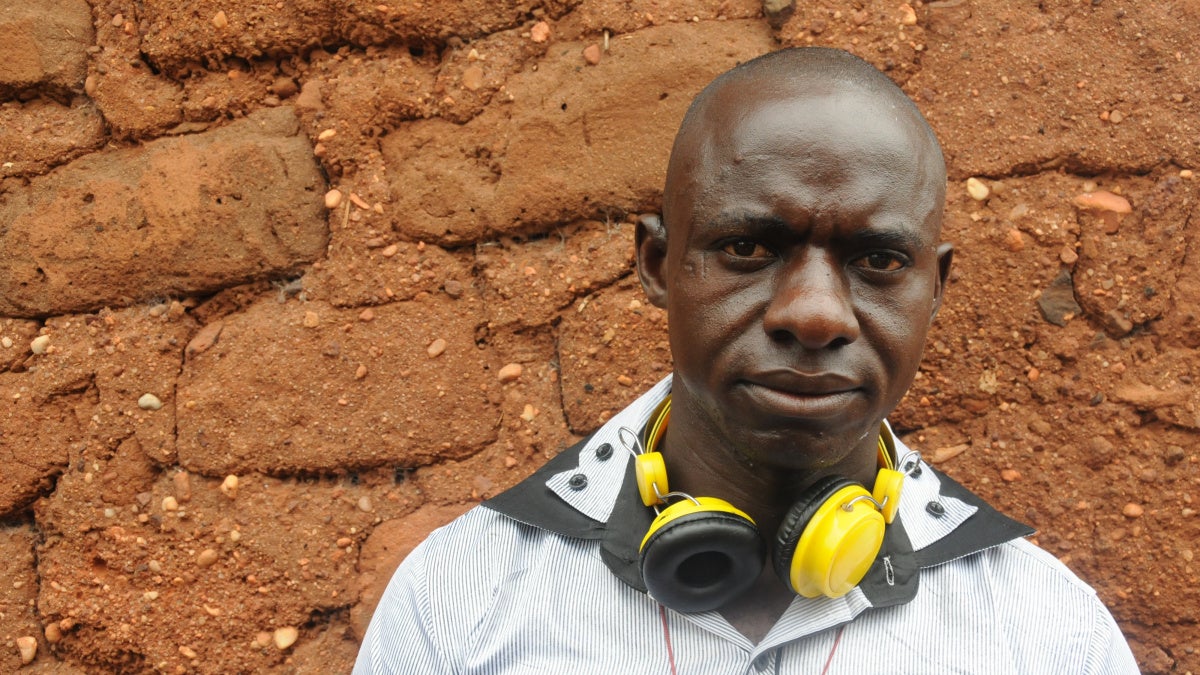
Bangui, Central African Republic – The Special Criminal Court (SCC) in the Central African Republic (CAR) announced this week the death of Maturin Kombo, a prominent anti-balaka militia leader, while in custody. Kombo was facing charges related to atrocities committed in 2014, a period marked by intense sectarian violence that plunged the country into a brutal civil war. His death underscores the challenges facing the CAR as it attempts to address widespread impunity for grave crimes and deliver justice to victims of the conflict.
The case of Maturin Kombo is deeply intertwined with the history of the anti-balaka movement, a coalition of predominantly Christian militias that rose up in response to the Seleka, a predominantly Muslim rebel coalition that seized power in 2013. The Seleka’s rule was characterized by widespread abuses, prompting the formation of the anti-balaka groups who, in turn, engaged in retaliatory violence against Muslim civilians. This cycle of violence led to a humanitarian crisis and widespread displacement, leaving a lasting scar on the Central African Republic.
The violence in Guen, a village in the southwest of the country, stands as a particularly horrific example of the atrocities committed during this period. In early February 2014, anti-balaka forces attacked Muslim civilians in Guen, resulting in the deaths of at least 72 men and boys, some as young as nine years old. The brutality of the attack, involving both gunfire and machetes, shocked the international community and highlighted the urgent require for accountability. The events in Guen became a focal point for investigations into anti-balaka crimes, ultimately leading to Kombo’s arrest in 2022.
The Rise of the Anti-Balaka and the Context of Conflict
The roots of the conflict in the Central African Republic are complex, stemming from decades of political instability, economic marginalization, and ethnic tensions. The Seleka rebellion, led by Michel Djotodia, exploited these grievances and quickly gained control of much of the country in 2013. Djotodia’s overthrow of President François Bozizé triggered a wave of violence, as anti-balaka groups mobilized to resist Seleka rule. The anti-balaka, initially formed as self-defense groups, quickly evolved into armed militias with a broader agenda of targeting Muslim civilians, often accused of supporting the Seleka.
The term “anti-balaka” itself is believed to originate from local slang, meaning “anti-bullet,” referring to amulets worn to protect against the AK-47 rifles (known as “laka” in the local language) used by the Seleka fighters. As the conflict escalated, the anti-balaka became increasingly fragmented, with various factions vying for control and pursuing their own agendas. While primarily composed of Christians, the anti-balaka also included animists and, to a lesser extent, Muslims, according to reports from The Guardian and the Tony Blair Faith Foundation.
Maturin Kombo and the Atrocities in Guen
Maturin Kombo emerged as a key figure within the anti-balaka movement, reportedly holding a leadership position in Guen during the 2014 attacks. Witness accounts detailed the horrific violence perpetrated by anti-balaka forces against Muslim civilians in the village. One father, recounting the loss of his 10-year-old son, Oumarou Bouba, described how his child was shot while fleeing and then brutally finished off with a machete. These testimonies, collected by human rights organizations, painted a grim picture of the atrocities committed in Guen.
Despite the overwhelming evidence, Kombo initially denied any involvement in the massacre when questioned at the time. However, he openly expressed his animosity towards Muslims, revealing a deeply ingrained prejudice that fueled the violence. His brazen defiance and apparent belief that he could evade justice underscored the challenges facing efforts to hold perpetrators accountable for their crimes. The arrest of Kombo in 2022, following the establishment of the Special Criminal Court, was seen as a significant step towards breaking the cycle of impunity in the Central African Republic.
The Special Criminal Court and the Pursuit of Justice
The establishment of the Special Criminal Court (SCC) in 2018 represented a crucial attempt to address the widespread impunity that had plagued the Central African Republic for years. Created by the transitional government, the SCC is a hybrid court, staffed by both national and international judges and prosecutors, mandated to investigate and prosecute grave crimes committed since 2003. The court’s mandate includes war crimes, crimes against humanity, and other serious offenses, aiming to hold accountable those responsible for the most heinous acts committed during the country’s prolonged conflicts.
Kombo’s trial, alongside six other co-defendants, including fellow anti-balaka leader Edmond Beïna, focused on the atrocities committed in Guen. The proceedings were seen as a test case for the SCC, demonstrating its ability to investigate and prosecute complex cases involving multiple perpetrators and widespread violence. The court’s work has been praised by international human rights organizations as a vital step towards providing justice for victims and deterring future atrocities. However, the SCC has also faced challenges, including limited resources, security concerns, and political interference.
The International Criminal Court (ICC) has also been involved in investigating crimes committed in the Central African Republic. In July 2024, the ICC convicted two other anti-balaka leaders for war crimes and crimes against humanity committed between September 2013 and February 2014. This conviction, alongside the ongoing proceedings at the SCC, demonstrates a growing international commitment to holding perpetrators accountable for the atrocities committed in the CAR.
The Impact of Kombo’s Death and the Path Forward
Maturin Kombo’s death in custody, while depriving survivors of the opportunity to spot him face justice in court, serves as a stark reminder of the ongoing need for accountability in the Central African Republic. His passing highlights the fragility of the justice system and the challenges of prosecuting individuals accused of grave crimes in a conflict-affected environment. Despite this setback, the ongoing trial of his co-defendants offers a glimmer of hope that justice, however delayed, will ultimately be served.
The SCC remains a crucial institution for addressing impunity and promoting reconciliation in the Central African Republic. However, the court requires sustained support from the Central African government and its international partners to ensure its long-term viability and effectiveness. Increased funding, enhanced security measures, and political commitment are essential to enable the SCC to fulfill its mandate and deliver justice to the victims of the conflict. The international community must also continue to provide assistance to the CAR in strengthening its rule of law institutions and promoting sustainable peace.
The next key development in this case will be the continuation of the trial against Kombo’s co-defendants, including Edmond Beïna. The SCC has not yet announced a specific date for the next hearing, but proceedings are expected to continue in the coming months. The outcome of this trial will be closely watched by victims, civil society organizations, and the international community as a crucial test of the SCC’s ability to deliver justice and deter future atrocities. Readers interested in following the case can find updates on the SCC’s website and through reports from human rights organizations like Human Rights Watch and Amnesty International.
The situation in the Central African Republic remains precarious, with ongoing security challenges and a fragile political landscape. Addressing the root causes of conflict, promoting inclusive governance, and investing in sustainable development are essential to building a lasting peace. The pursuit of justice, through institutions like the SCC, is a vital component of this process, offering a path towards healing and reconciliation for a nation scarred by years of violence.
What are your thoughts on the challenges facing the Central African Republic? Share your comments below and assist spread awareness about this important issue.
- Norwegian Grocery Prices: How to Get 30% Cheaper Groceries
- Valentine’s Bakery El Paso: Best Sweet Bread & Mexican Pastries
- Phil Collins Opens Up About Near-Death Alcohol Struggle and Personal Life Challenges (world-today-news.com)
- The Death of the Polished Instagram Feed: The Rise of Casual Content (newsdirectory3.com)