/data/photo/2026/02/15/69912deb8705b.jpg)
The modern automobile is increasingly reliant on sophisticated technology, with the head unit serving as a central hub for entertainment, navigation, and connectivity. However, this crucial component is susceptible to overheating, a problem that can degrade performance and even shorten the lifespan of the device. Understanding the causes of head unit overheating is essential for vehicle owners seeking to protect their investment and maintain a seamless driving experience.
While often overlooked, the head unit operates under demanding conditions. It processes audio and video, manages smartphone integration, and often runs navigation software simultaneously. These functions generate heat, and if not properly dissipated, can lead to operational issues. A malfunctioning head unit can range from simple system restarts to more serious damage to internal electronic components. Addressing the root causes of overheating is therefore a proactive step towards vehicle maintenance.
What Causes a Car Head Unit to Overheat?
According to Ricky, owner of Vitur Aksesori and Audio in BSD Tangerang, two primary factors contribute to head unit overheating: excessive power consumption and improper installation. These issues, while seemingly straightforward, can stem from a variety of underlying causes. The increasing complexity of head units, with their expanded feature sets, places greater demands on their internal systems, making them more vulnerable to thermal stress.
One significant contributor to overheating is running multiple applications concurrently. Modern head units often allow users to stream music, use GPS navigation, and access other apps simultaneously. This multitasking puts a strain on the processor and other components, generating substantial heat. Similarly, prolonged use of resource-intensive features like video playback or high-resolution audio streaming can exacerbate the problem. The more the head unit is asked to do, the more heat it produces.
Installation plays a critical role in thermal management. A head unit installed in direct sunlight, or obstructed by dashboard components that impede airflow, is more likely to overheat. Proper ventilation is crucial for dissipating heat, and any obstruction can significantly reduce the unit’s ability to regulate its temperature. The quality of the electrical connection and the stability of the power supply can also contribute to overheating. Fluctuations in voltage can force the head unit to operate harder, generating more heat in the process.
Preventative Measures: Protecting Your Head Unit
Fortunately, several preventative measures can be taken to mitigate the risk of head unit overheating. Ricky emphasizes the importance of ensuring adequate ventilation. “Make sure the head unit isn’t blocked by the dashboard or any accessories, so air can circulate properly,” he explained to Kompas.com on February 22, 2026. This simple step can significantly improve heat dissipation and prevent the unit from reaching critical temperatures.
Using a sunshade or protective screen cover can also help reduce the amount of direct sunlight reaching the head unit. Here’s particularly important for vehicles frequently parked outdoors. These accessories act as a barrier, minimizing the heat absorbed by the device and lowering its operating temperature. The use of a sunshade is a low-cost, effective way to protect the head unit from excessive heat exposure.
Beyond physical protection, maintaining a stable electrical system is paramount. Owners should regularly inspect the wiring, connectors, and fuses associated with the head unit, ensuring they are in quality condition and meet the manufacturer’s specifications. A loose connection or a faulty fuse can cause voltage fluctuations, leading to increased heat generation. Consider adding a voltage stabilizer or regulator, especially for vehicles frequently exposed to direct sunlight, to ensure a consistent power supply. These devices help smooth out voltage fluctuations, protecting the head unit from potential damage.
Best Practices for Head Unit Usage
Beyond installation and electrical maintenance, mindful usage habits can also contribute to preventing overheating. Avoiding the simultaneous use of multiple resource-intensive applications is a key strategy. For example, streaming high-definition video while running GPS navigation and Bluetooth audio can place a significant strain on the system. Prioritizing essential functions and limiting multitasking can reduce heat generation.
Regular maintenance, such as cleaning dust from the unit’s vents, is also important. Dust accumulation can obstruct airflow, hindering heat dissipation. A simple cleaning routine can help maintain optimal thermal performance. Minimizing the use of features like video, GPS, and music streaming when not necessary can reduce the overall thermal load on the head unit.
The Role of Head Unit Quality and Technology
The quality of the head unit itself plays a significant role in its susceptibility to overheating. Higher-quality units often incorporate more robust cooling systems and utilize components designed to withstand higher temperatures. As head units become increasingly integrated with advanced technologies, such as wireless Apple CarPlay and Android Auto, they also become more complex and potentially more prone to overheating if not properly engineered.
The automotive industry is continually innovating in head unit technology. At the 2024 Consumer Electronics Show (CES), BMW showcased a head unit integrated with video gaming capabilities, demonstrating the increasing sophistication of these devices. This trend towards greater functionality necessitates improved thermal management solutions to prevent overheating and ensure reliable performance. Manufacturers are increasingly focusing on developing more efficient cooling systems and utilizing heat-resistant components.
The Toyota Raize, for example, features a head unit compatible with smartphone integration via the T-Link application. 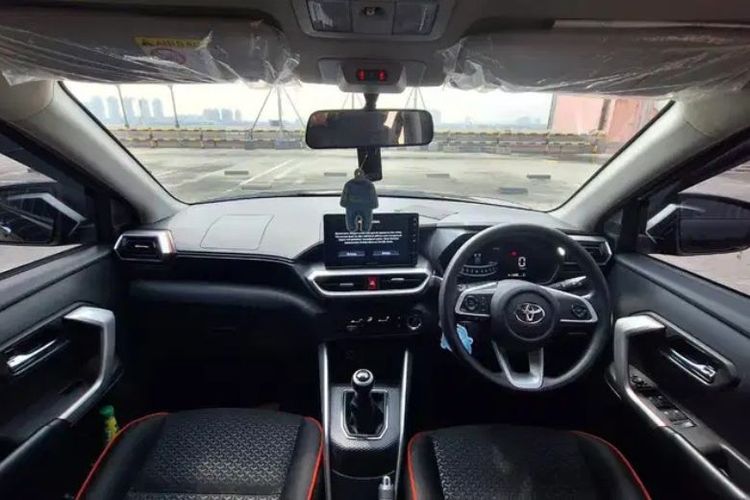 While smartphone integration enhances functionality, it also increases the processing load on the head unit, potentially contributing to heat generation. It’s crucial to ensure that the head unit is adequately cooled and that the vehicle’s electrical system is capable of supporting the increased power demands.
Looking Ahead: MRT Expansion and Automotive Connectivity
The ongoing expansion of transportation infrastructure, such as the planned extension of the MRT to BSD City, is likely to further increase the demand for in-car connectivity and entertainment. As commuters spend more time in their vehicles, the importance of a reliable and functional head unit will only grow. This trend will drive further innovation in head unit technology and thermal management solutions.
The integration of head units with other vehicle systems, such as advanced driver-assistance systems (ADAS), also adds to the complexity and potential for overheating. As vehicles become more connected and automated, the head unit will play an increasingly critical role in managing and processing data from various sensors and systems. Ensuring the thermal stability of the head unit will be essential for maintaining the safety and reliability of these advanced features.
By understanding the causes of head unit overheating and implementing preventative measures, vehicle owners can protect their investment and enjoy a seamless in-car experience. Regular maintenance, mindful usage habits, and a focus on quality components are all essential for keeping the head unit cool and functioning optimally. As automotive technology continues to evolve, proactive thermal management will become increasingly important for ensuring the long-term reliability of these critical components.
The automotive technology landscape is constantly shifting. We’ll continue to monitor developments in head unit technology and report on best practices for maintaining these essential components. Share your experiences and questions in the comments below – we’d love to hear from you!
Keep reading