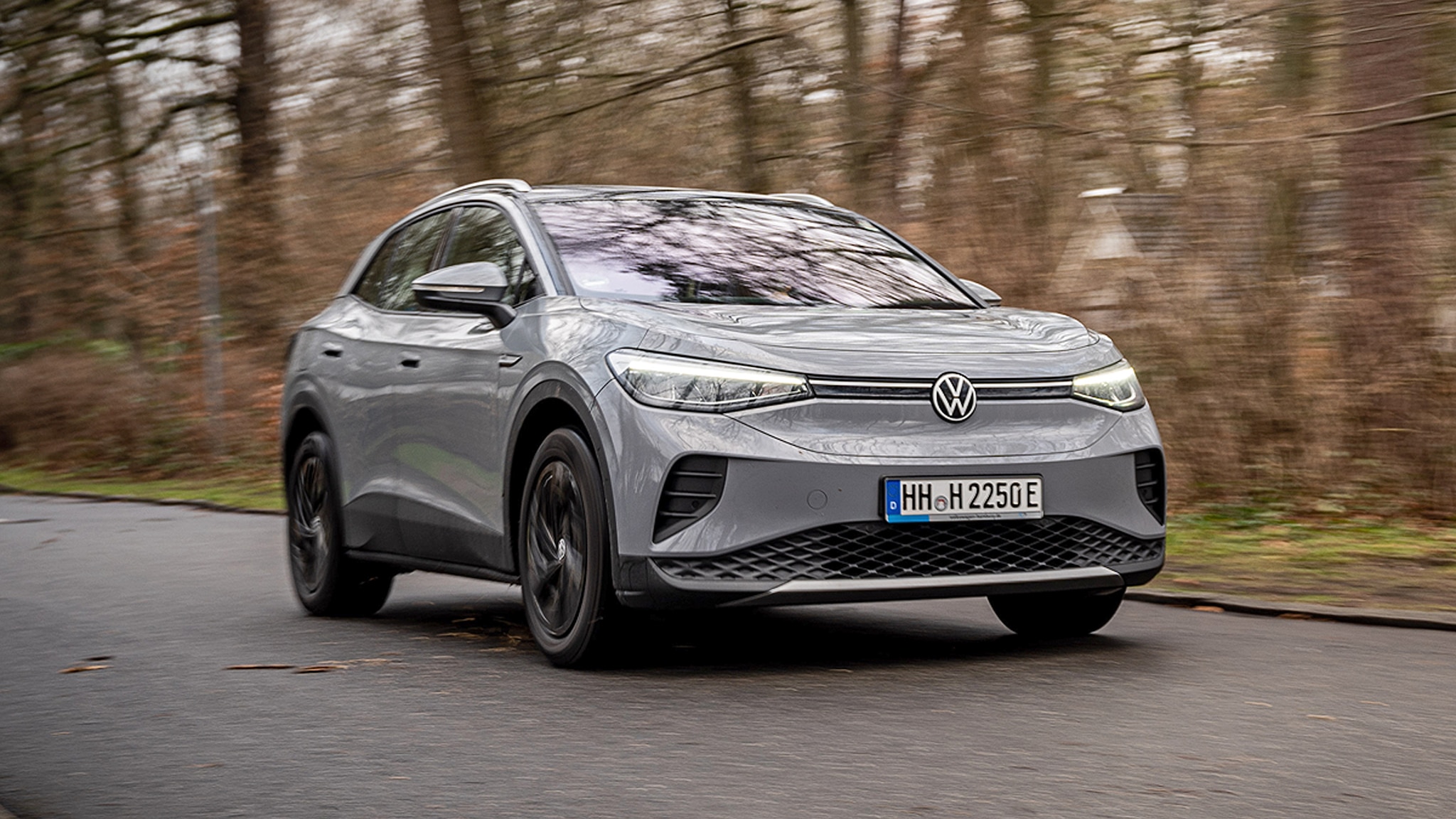
Volkswagen’s ID.4 has become a focal point in the evolving electric vehicle landscape, particularly as consumers weigh the practicality and cost-effectiveness of transitioning from internal combustion engines to battery-powered alternatives. Recent promotional efforts, including a notable collaboration with Carwow and coverage by AUTO BILD, have amplified public interest in the model’s real-world usability, pricing incentives, and long-term ownership benefits. As electric mobility gains traction across Europe and beyond, understanding the nuances of offers like the VW ID.4 Carwow deal is essential for informed decision-making.
The Volkswagen ID.4, first introduced in 2020 as part of the automaker’s ID. Series built on the MEB platform, represents a strategic pivot toward sustainable transportation. Positioned as a compact SUV, it offers a blend of interior space, driving range, and technological integration aimed at appealing to both early adopters and mainstream buyers. With multiple battery configurations and trim levels available across global markets, the ID.4 has been marketed not only as an environmentally conscious choice but also as a viable alternative to traditional gasoline-powered vehicles in terms of performance and daily utility.
In recent months, automotive platforms such as Carwow have facilitated limited-time purchasing incentives for the ID.4, often featuring reduced monthly payments, deposit contributions, or enhanced specification packages under negotiated dealer agreements. These deals, while not manufacturer-direct programs, are structured through participating retailers seeking to move inventory or meet quarterly sales targets. AUTO BILD’s product testing division has contributed to the conversation by evaluating the ID.4’s real-world efficiency, charging behavior, and user experience, particularly in seasonal conditions such as summer tire performance and energy consumption under varying loads.
One of the central considerations for prospective buyers involves the total cost of ownership, where electric vehicles like the ID.4 can present advantages over internal combustion engine models despite higher upfront prices. Factors such as lower electricity costs compared to fuel, reduced maintenance needs due to fewer moving parts, and eligibility for government incentives or company car tax benefits (particularly in markets like the UK and Germany) contribute to long-term savings. Mechanisms such as Germany’s THG-Quote (greenhouse gas reduction quota) allow private EV owners to monetize their vehicle’s carbon savings by selling certified credits, potentially generating annual returns of several hundred euros depending on market prices and verified mileage.
Verified data from the Federal Environment Agency (Umweltbundesamt) confirms that the THG-Quote system, established under the Federal Immission Control Act (BImSchG), enables qualifying electric vehicle owners to receive annual payments based on verified CO₂ savings attributed to their vehicles’ operation. Official guidelines outline the certification process, requiring proof of vehicle registration, electricity usage, and adherence to sustainability criteria. Payments are typically processed through accredited agents who aggregate individual claims and sell them to obligated parties in the fuel sector seeking to meet national emissions reduction targets.
Meanwhile, independent testing by organizations such as ADAC and AUTO BILD has provided insight into the ID.4’s real-world range and efficiency. According to AUTO BILD’s long-term evaluation published in 2023, the ID.4 Pro Performance variant achieved an average energy consumption of approximately 16.8 kWh/100 km under mixed driving conditions, translating to a real-world range of roughly 340 km on its 77 kWh usable battery capacity—consistent with WLTP ratings when adjusted for ambient temperature, driving style, and auxiliary load. Their findings noted that while winter conditions reduced usable range by up to 25%, preconditioning while plugged in and the use of heat pump systems (available on higher trims) mitigated some of this loss.
Charging infrastructure compatibility remains a key factor in the ID.4’s appeal. The vehicle supports both AC and DC charging, with a maximum DC fast-charging rate of up to 125 kW, enabling a 10–80% charge in approximately 30 minutes under optimal conditions. Home charging via a 7.4 kW wallbox typically replenishes the battery overnight, making it suitable for daily commuting patterns. AUTO BILD’s assessments have highlighted the importance of charging behavior, noting that frequent rapid charging can accelerate battery degradation over time, whereas moderate use of AC charging paired with smart scheduling helps preserve long-term capacity.
From a ownership perspective, the ID.4 offers a spacious cabin with generous legroom and cargo volume, particularly when the rear seats are folded. Interior quality varies by trim, with higher levels featuring sustainable materials, ambient lighting, and upgraded infotainment systems. The vehicle’s over-the-air update capability allows Volkswagen to refine performance, fix software issues, and introduce new features post-purchase—a growing expectation among EV buyers. However, some early adopters have reported occasional glitches in the infotainment system, particularly regarding navigation accuracy and voice command responsiveness, though over-the-air patches have addressed many of these concerns.
Safety ratings further bolster the ID.4’s market position. In Euro NCAP testing conducted in 2021, the vehicle achieved a five-star overall rating, scoring highly in adult occupant protection (92%), child occupant protection (88%), and safety assist systems (80%). Standard equipment includes autonomous emergency braking, lane-keeping assist, adaptive cruise control, and a driver drowsiness detection system. These features contribute to its appeal not only as an environmentally responsible choice but also as a family-oriented vehicle meeting rigorous safety benchmarks.
The Carwow-facilitated deals, while variable in structure, often emphasize monthly affordability through adjusted financing terms or deposit allowances rather than direct price reductions. For example, certain promotions have included contributions toward the initial rental or deposit in personal contract purchase (PCP) agreements, effectively lowering the upfront financial barrier. It is critical for consumers to scrutinize the full contract terms, including mileage allowances, end-of-lease conditions, and potential excess wear charges, particularly when comparing leasing versus financing options.
Market trends indicate growing consumer confidence in electric SUVs, with the ID.4 consistently ranking among Europe’s top-selling battery-electric vehicles. According to data from the European Automobile Manufacturers Association (ACEA), the ID.4 ranked within the top 10 best-selling EVs in the EU in 2022 and 2023, reflecting sustained demand despite macroeconomic headwinds and evolving subsidy landscapes. In Germany, the country’s environmental bonus (Umweltbonus) for pure electric vehicles was reduced in 2023 and phased out for new orders in December 2023, shifting focus toward commercial fleet adoption and used EV incentives.
Nevertheless, the residual value of electric vehicles like the ID.4 has shown resilience, particularly for well-maintained models with documented service histories and battery health reports. Independent assessments by firms such as CAP HPI and Glass’s Guide suggest that EVs are depreciating at rates comparable to or better than certain internal combustion counterparts, especially when factoring in lower operating costs and increasing buyer familiarity with electric technology. Access to battery health data via Volkswagen’s Car-Net app or third-party diagnostic tools adds transparency to resale evaluations.
Looking ahead, Volkswagen continues to refine its ID. Platform, with updates to the ID.4 expected in the form of efficiency improvements, software upgrades, and potential facelifts aligned with the brand’s broader design language. The company has committed to investing heavily in electrification, aiming for electric vehicles to constitute over 50% of its European sales by 2030. For prospective buyers, monitoring official channels such as Volkswagen Group’s press site, regulatory filings, and independent testing reports remains the most reliable way to stay informed about pricing, incentives, and technical developments.
As the automotive transition accelerates, offers like the VW ID.4 Carwow deal represent more than just temporary promotions—they reflect a broader shift in how consumers access and evaluate new mobility options. By combining verified incentives, real-world usage data, and transparent cost analysis, buyers can navigate the complexities of electric ownership with greater clarity. For those considering the switch, consulting official sources such as the Federal Office for Economic Affairs and Export Control (BAFA) for incentive updates, or utilizing tools like the ADAC EV cost calculator, can provide personalized insights tailored to individual driving patterns and regional conditions.
Stay informed, compare options carefully, and consider both the immediate and long-term implications of your vehicle choice. Share your thoughts or experiences with electric vehicles in the comments below, and help others make informed decisions by spreading accurate, trustworthy information.
Keep reading