Groundbreaking Gene Therapy Offers New Hope for Children with Relapsed T-Cell Leukemia
London, UK – A revolutionary gene therapy, utilizing base editing technology, is demonstrating remarkable success in treating children with T-cell acute lymphoblastic leukemia (T-ALL) who have tired all other treatment options. The clinical trial, conducted at Great Ormond Street Hospital (GOSH) and the Royal Marsden Hospital in partnership with University College London (UCL), represents a significant leap forward in the fight against this aggressive childhood cancer.
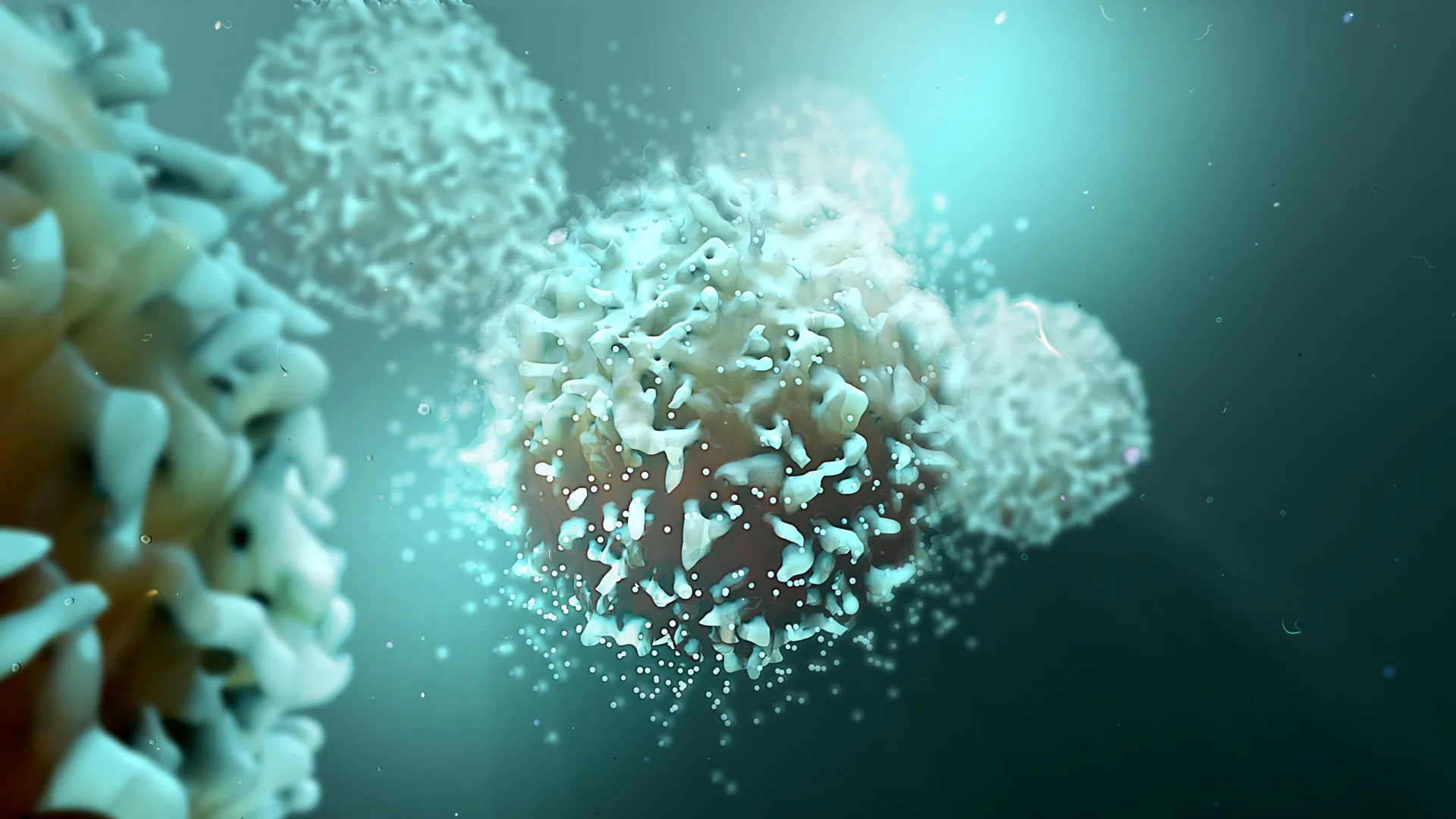
For years, approximately 20% of children diagnosed with T-ALL have proven resistant to standard therapies like chemotherapy and bone marrow transplantation. This new approach, detailed in recent reports, offers a beacon of hope for these patients and their families. The therapy,known as BE-CAR7,involves modifying the patient’s own T-cells to specifically target and destroy leukemia cells,even in cases previously considered incurable.
A Paradigm Shift in Treatment: How BE-CAR7 Works
Traditional CAR-T cell therapy, while effective for many, can sometimes be hampered by the risk of the engineered cells attacking healthy tissue. BE-CAR7 utilizes a more precise technique – base editing – to modify the T-cells’ DNA. This allows researchers to enhance the cells’ ability to target cancer while minimizing potential off-target effects.The process involves extracting T-cells from the patient, genetically modifying them in a laboratory setting, and then re-infusing them back into the patient’s bloodstream.
“We’ve seen impressive responses in clearing leukemia that seemed incurable – it’s a very powerful approach,” explains Dr. Deborah Yallop, Consultant Hematologist at King’s college Hospital (KCH). “This isn’t just incremental betterment; it’s a fundamentally different way of tackling this disease.”
alyssa’s Story: A Testament to Innovation and Resilience
The first patient to receive BE-CAR7 therapy was Alyssa tapley,who was just 14 years old when diagnosed with T-ALL in May 2021. After failing to respond to conventional treatments, including chemotherapy and a bone marrow transplant, Alyssa faced a grim prognosis. The experimental therapy offered a last chance.
Today, at 16, Alyssa is thriving. Her leukemia remains undetectable, and she is fully engaged in a normal teenage life, pursuing her passions and future goals. “I chose to take part in the research as I felt that, even if it didn’t work for me, it could help others,” Alyssa shared. “Years later, we know it worked and I’m doing really well. I’ve done all those things that you’re supposed to do when you’re a teenager… I’m not taking anything for granted.” Alyssa’s ambition is to become a research scientist herself,contributing to the next generation of breakthroughs in cancer treatment.
A Collaborative Effort Driven by Leading Experts
The success of this trial is a testament to the dedication and collaborative spirit of a multidisciplinary team. Led by professor Waseem Qasim at the UCL Great Ormond Street institute of Child Health, the project involved experts in bone marrow transplantation, hematology, laboratory research, and patient care from GOSH, KCH, and UCL.
“Many teams were involved across the hospital and university and everyone is delighted for patients clearing their disease,but at the same time,deeply mindful that outcomes were not as hoped for some children,” stated a spokesperson for GOSH. “These are intense and tough treatments – patients and families have been generous in recognizing the importance of learning as much as possible from each experience.”
Expanding Access and investing in the Future
Recognizing the potential of BE-CAR7, GOSH Charity has committed over £2 million to support treatment for an additional 10 T-ALL patients. This funding will broaden access to the trial and contribute to the construction of a new Children’s Cancer Center, designed to accelerate cutting-edge research.
The research is also supported by the Medical Research Council,Wellcome,and the National Institute for Health and Care Research (NIHR). patients eligible for NHS care who are interested in learning more about participating in the trial are encouraged to discuss it with their healthcare team.
Building a Foundation for Continued Innovation
The advancement of BE-CAR7 was made possible by a long-term research program at the UCL Great ormond Street Institute of Child Health, operating from the Zayed Centre for Research into Rare Disease in Children.This state-of-the-art facility, funded by a significant philanthropic gift, provides a crucial infrastructure for advancing genome editing treatments.
The team also extends gratitude to Anthony Nolan and the selfless volunteer blood and stem cell donors who contribute to these life-saving therapies.
Key Takeaways:
Keep reading