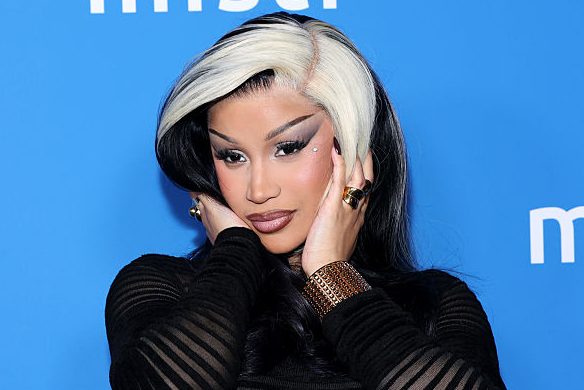
Cardi B has secured a procedural victory in a Nevada district court as a judge denied a motion to dismiss her counterclaim for contribution in an ongoing lawsuit regarding a July 2023 incident at Drai’s Beachclub. Clark County District Court Judge Bita Yeager ruled that the case lacks a sufficient factual record to determine whether the rapper’s actions—specifically throwing a microphone into a crowd—constituted an intentional tort that would preclude her from seeking shared liability from the plaintiff, identified in court filings as Paxton Fedell.
The litigation stems from an incident on July 29, 2023, during a performance in Las Vegas. Fedell, the plaintiff, alleges she was struck by a microphone thrown by the artist. Conversely, Cardi B has maintained that her actions were a reflexive response after being struck by ice and a drink thrown from the audience. The rapper’s legal team argues that if she is found liable for damages, the plaintiff should bear a portion of the responsibility, a legal strategy known as a claim for contribution.
COURT UPDATECardi B has SCORED an early procedural WIN in the Nevada lawsuit brought by Jane Doe / Paxton Fedell over the July 29, 2023 Drai’s Beachclub incident.According to a May 6, 2026 hearing transcript, the Clark County District Court DENIED the plaintiffs’ motion to… pic.twitter.com/swxBTzvVeB— Document Tingz (@DocumentTingz) June 16, 2026
Understanding the Court’s Ruling on Intent
During a hearing held on May 6, 2026, Judge Yeager addressed the complexities of Nevada’s tort law regarding intentional acts and self-defense. The plaintiff had sought to dismiss Cardi B’s counterclaim, arguing that intentional battery bars a defendant from seeking contribution from a plaintiff. However, the court found that at this preliminary stage, it is premature to categorize the rapper’s conduct as intentional versus reflexive.
“The court is not making factual determinations regarding intent at this stage,” Judge Yeager stated during the proceedings. The judge emphasized that the legal questions surrounding provocation, reflexive conduct, and the right to self-defense require a more developed factual record. By denying the motion to dismiss, the court has allowed the contribution claim to remain active as the litigation moves into the discovery phase.
The Role of Discovery in the Litigation
The discovery process allows both parties to exchange evidence, take depositions, and gather facts that will ultimately inform whether the case proceeds to a jury trial or is resolved through summary judgment. In civil litigation, summary judgment is a request for the court to decide the case—or specific issues within the case—without a full trial because there are no material facts in dispute.

Under Nevada law, litigants are permitted to pursue alternative and often inconsistent theories of liability and defense. By preserving the contribution claim, the court ensures that Cardi B can continue to argue that her response to being struck by objects was a justified, defensive reaction. Meanwhile, Paxton Fedell has filed an answer denying the rapper’s allegations of battery and assault, while asserting her own affirmative defenses, including the argument that the rapper’s actions constituted intentional misconduct.
Legal Defenses and Comparative Fault
The legal battle highlights the intersection of performer safety and audience interaction. Cardi B’s defense team has formally asserted several affirmative defenses, including self-defense, adequate provocation, and comparative fault. These defenses aim to shift or mitigate liability by pointing to the plaintiff’s alleged role in initiating the confrontation by throwing items at the stage.
Fedell’s response in court filings has mirrored these strategies, citing consent, assumption of risk, and her own claims of self-defense. The concept of comparative fault is central here; it allows a jury or judge to assign a percentage of blame to each party involved in an incident. If a plaintiff is found to be partially responsible for their injuries, any potential damages awarded could be reduced accordingly.
What Happens Next
With the motion to dismiss denied, the case will proceed through discovery. Both legal teams are expected to review evidence from the night of July 29, 2023, including video footage and witness statements from Drai’s Beachclub. The next significant hurdle for both parties will be the potential for future summary judgment motions, where the court will revisit the evidence to determine if any claims can be resolved before a trial. As the litigation continues, both the plaintiff and the defendant remain focused on establishing the timeline of events that led to the microphone being thrown.

This is a developing legal story. Readers interested in following the case can monitor the Clark County District Court’s public records portal for future hearing dates and filed motions. Share your thoughts on the balance of performer rights and audience safety in the comments below.
Keep reading