
Colombia 2026 Election: Carlos Caicedo Withdraws Presidential Bid to Join Iván Cepeda’s Campaign
In a significant development for Colombia’s 2026 presidential election, former candidate Carlos Caicedo has announced his withdrawal from the race and his decision to join the campaign of Iván Cepeda, a move that reshapes the political landscape ahead of the country’s upcoming vote. The announcement comes amid a highly competitive field and growing public scrutiny over candidate qualifications and past controversies.
Caicedo’s decision to endorse Cepeda—who has positioned himself as a progressive alternative in the election—marks a strategic realignment that could influence the balance of power in Colombia’s political spectrum. While the specifics of Caicedo’s withdrawal and the terms of his support for Cepeda remain under discussion, the move underscores the fluid nature of Colombia’s electoral dynamics in 2026, where alliances and candidate dropouts are reshaping voter expectations.
This article provides a verified account of the development, explores the political implications, and examines the background of both figures in Colombia’s evolving electoral process.
Key Figures in the Development
Carlos Caicedo, a former presidential aspirant who had been campaigning as an independent candidate, announced his withdrawal from the race in a public statement shared on social media platforms. While Caicedo’s campaign had gained traction among progressive voters, his candidacy faced growing challenges, including allegations of past misconduct that had drawn scrutiny from both political opponents and electoral authorities.
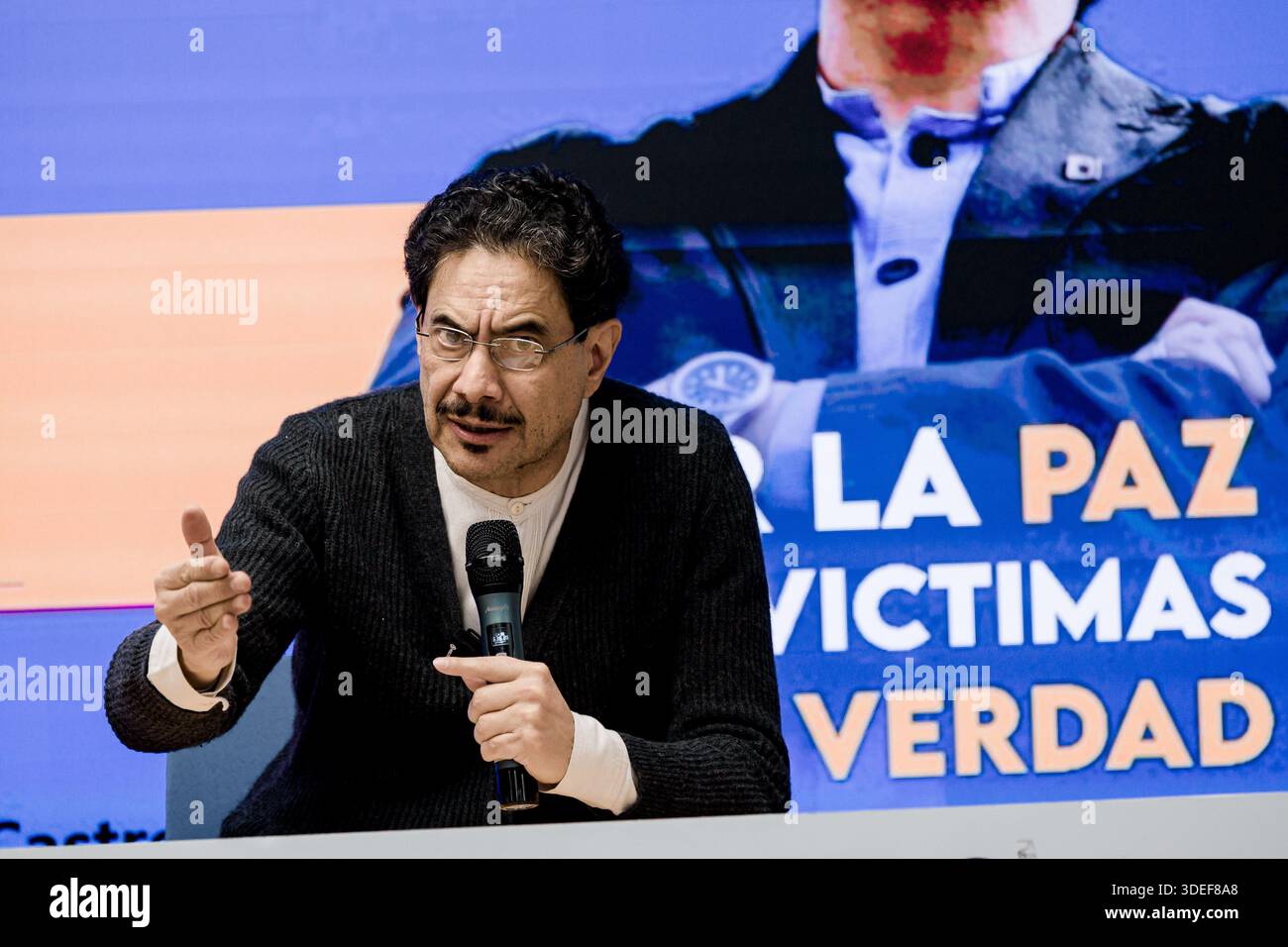
Iván Cepeda, a longtime political figure and former congressman, has emerged as a prominent voice in Colombia’s left-leaning political movement. Cepeda’s campaign has focused on social justice issues, anti-corruption measures, and economic reforms, positioning him as a potential unifier for progressive voters ahead of the 2026 election. His campaign team has not yet issued an official response to Caicedo’s announcement, though sources close to the campaign suggest they are preparing to integrate Caicedo’s supporters into their broader strategy.
According to verified reports from Colombian news outlets, Caicedo’s decision follows weeks of internal deliberations and consultations with allies within Colombia’s political establishment. While the exact motivations behind his withdrawal remain unclear, political analysts suggest that Caicedo’s move may be aimed at consolidating progressive votes ahead of the first round of voting, which is expected to take place in May 2027.
Background: Colombia’s 2026 Election Landscape
Colombia’s 2026 presidential election is shaping up to be one of the most closely watched in the country’s recent history. With a field of over a dozen candidates spanning the political spectrum—from centrists to far-left and far-right factions—the race has already seen a series of dramatic shifts, including the withdrawal of several high-profile candidates due to legal challenges or shifting political alliances.
Iván Cepeda’s campaign has gained particular attention for its emphasis on addressing Colombia’s deep-seated social inequalities, particularly in regions affected by decades of conflict. Cepeda, who has previously served as a congressman and human rights advocate, has framed his candidacy as a rejection of both the traditional political establishment and the more radical proposals put forward by some of his competitors.
In contrast, Caicedo’s campaign had been characterized by a more populist approach, with a focus on economic nationalism and direct social welfare programs. His withdrawal could signal a realignment of these progressive factions, potentially strengthening Cepeda’s position as the leading alternative to more centrist or conservative candidates in the race.
Political Implications of the Withdrawal
The implications of Caicedo’s decision extend beyond the immediate electoral calculus. Political observers note that his endorsement of Cepeda could help the latter broaden his appeal among younger voters and those disillusioned with traditional party politics. However, the move also raises questions about the sustainability of Cepeda’s coalition, given the diverse ideological backgrounds of his potential supporters.
One key consideration is the potential impact on Colombia’s electoral institutions. The National Electoral Council (Consejo Nacional Electoral) has already faced criticism for its handling of candidate registrations and allegations of misconduct. Caicedo’s withdrawal—if tied to unresolved legal or ethical concerns—could further pressure the council to clarify its standards for candidate eligibility ahead of the election.
the realignment may influence the strategies of other candidates. For instance, Gustavo Petro’s coalition, which has dominated much of Colombia’s political discourse since his 2022 election, may respond by tightening its messaging or offering counter-endorsements to retain progressive voters. Meanwhile, centrist and conservative candidates could seek to capitalize on the perceived fragmentation within the left-leaning bloc.
What Happens Next?
With Caicedo’s withdrawal officially announced, the next critical steps will include:
- Formal Endorsement Process: Cepeda’s campaign is expected to outline how Caicedo’s supporters will be integrated, including potential roles in campaign leadership or regional organizing.
- Electoral Council Review: The Consejo Nacional Electoral will likely issue a statement confirming Caicedo’s withdrawal and its impact on the official candidate list, which is subject to periodic updates.
- Debate Participation: If Cepeda’s campaign gains momentum, he may secure a spot in the upcoming presidential debates, which are set to begin in June 2026. Caicedo’s absence from these forums could further consolidate Cepeda’s position as the progressive standard-bearer.
- Voter Registration Drives: Both campaigns are expected to launch targeted efforts to mobilize Caicedo’s base, particularly in regions where his support was strongest.
For voters, the development underscores the importance of staying informed about shifting alliances. The National Electoral Council provides official updates on candidate status and electoral calendars at cne.gov.co, while campaign websites and social media channels will offer real-time developments.
Who Are the Candidates?
For readers unfamiliar with Colombia’s 2026 presidential candidates, here’s a brief overview of the key figures:
| Candidate | Political Affiliation | Key Policy Focuses | Recent Developments |
|---|---|---|---|
| Iván Cepeda | Independent (Progressive Alliance) | Anti-corruption, social justice, economic reforms, peace process follow-up | Gaining traction among younger voters; benefits from Caicedo’s endorsement |
| Carlos Caicedo | Independent (Populist) | Economic nationalism, direct social welfare, infrastructure investment | Withdrew from race to endorse Cepeda; faced allegations of misconduct |
| Gustavo Petro (Incumbent) | Historic Pact for Colombia | Continued peacebuilding, environmental policies, social programs | Leading in polls but facing internal party divisions |
| Rodrigo Lara (Conservative) | Center-Right Coalition | Law and order, market reforms, reduced state intervention | Positioning as the anti-Petro alternative |
Why This Matters for Colombia
The 2026 election is more than a political contest; it represents a pivotal moment for Colombia’s future. The country remains grappling with the legacy of decades of conflict, economic disparities, and the challenges of implementing post-peace accord reforms. The realignment of progressive candidates like Caicedo and Cepeda could determine whether Colombia’s left-leaning policies gain broader legitimacy or remain fragmented.
For international observers, the election also serves as a barometer for Colombia’s stability and its role in regional politics. A unified progressive front could influence negotiations with neighboring countries, while a fragmented field might embolden more hardline factions. The outcome will be closely watched by allies and partners, including the United States, the European Union, and Latin American blocs.
Next Steps for Voters and Watchers
For those following Colombia’s election closely, here are the next key dates and resources:
- June 2026: Presidential debates begin; Cepeda’s campaign will likely seek to highlight Caicedo’s endorsement.
- August 2026: Official candidate list finalized by the Consejo Nacional Electoral.
- May 2027: First round of voting; runoff expected if no candidate secures a majority.
Official updates can be found through:
- Consejo Nacional Electoral (Electoral Council)
- Registraduría Nacional (National Registry)
- El Colombiano and El Tiempo for ongoing coverage.
FAQ: Colombia’s 2026 Election
What is the significance of Carlos Caicedo’s withdrawal?
Caicedo’s decision to withdraw and endorse Iván Cepeda consolidates the progressive vote ahead of the 2026 election. It could strengthen Cepeda’s position as a viable alternative to both the incumbent and more radical candidates, potentially altering the balance of power in Colombia’s political spectrum.
How will this affect the first round of voting?
The impact will depend on how effectively Cepeda’s campaign integrates Caicedo’s supporters. If successful, it could boost Cepeda’s support in key regions, particularly among younger and disaffected voters. However, the fragmented nature of Colombia’s left-leaning base means that not all of Caicedo’s supporters may automatically transfer their loyalty.
What are the main issues in Colombia’s 2026 election?
The election is dominated by debates over economic inequality, peace process implementation, corruption, and security. Candidates are also grappling with how to address the social and economic fallout from the COVID-19 pandemic and the ongoing challenges of rural development.
When will the next presidential debate take place?
The first presidential debate is scheduled for June 2026, with additional debates planned throughout the summer. These forums will be critical for candidates to differentiate their platforms and respond to allegations or controversies.
Closing Thoughts
Colombia’s 2026 election is far from settled, and Carlos Caicedo’s withdrawal represents just one twist in a race that has already seen numerous surprises. As campaigns adapt to shifting dynamics, voters will need to remain vigilant about candidate qualifications, policy proposals, and the integrity of the electoral process itself.
The next confirmed checkpoint in this story is the Consejo Nacional Electoral’s official confirmation of Caicedo’s withdrawal and its impact on the candidate list, expected by late May 2026. Following that, the focus will shift to the presidential debates, where Cepeda’s campaign will likely seek to leverage Caicedo’s endorsement to broaden its appeal.
We welcome your insights and questions about Colombia’s election. Share your thoughts in the comments below or join the discussion on our social media channels. For further analysis, stay tuned to World Today Journal‘s coverage of international politics and elections.