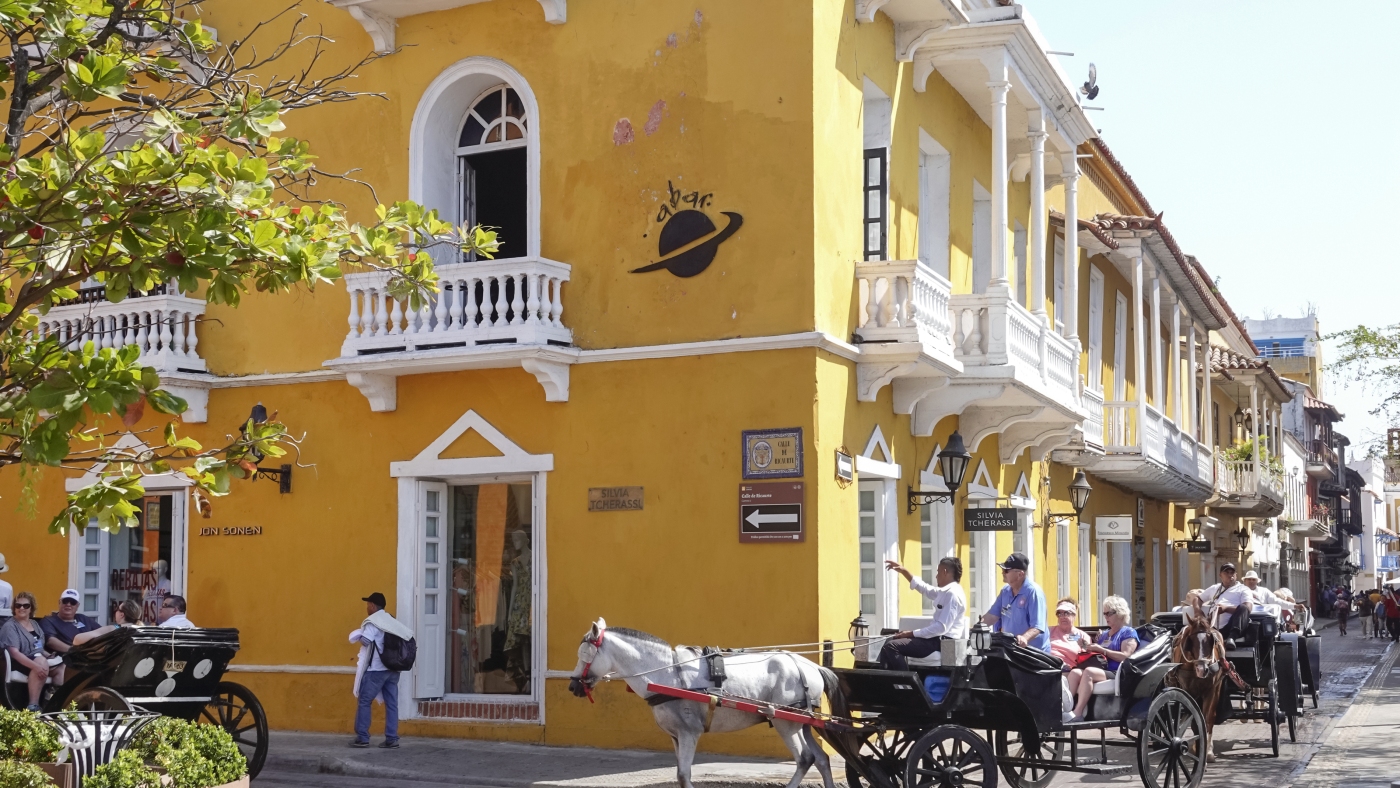
Cartagena Trades Horse-Drawn Carriages for Electric carts, Sparking Debate
Cartagena, Colombia, a city steeped in colonial history and vibrant tradition, is undergoing a significant change. The iconic horse-drawn carriages that have long defined its tourism landscape are gradually being replaced by electric vehicles. This shift, intended to modernize and promote sustainability, is proving to be a contentious issue, pitting city officials against the livelihoods of long-time cart owners.
A Modern Take on a Historic Tradition
for generations, visitors to Cartagena have enjoyed the charm of clip-clopping through the walled city in horse-drawn buggies.However, concerns about animal welfare and environmental impact have prompted city leaders to explore alternative solutions.
The new electric carts closely mimic the appearance of their horse-powered predecessors, featuring large wheels and open-top designs. But beneath the surface lies a modern upgrade: powerful batteries capable of traveling approximately 43 miles on a single charge. Instead of reins, drivers now utilize a steering wheel, and the carts even boast speakers capable of playing music or simulating the sound of galloping hooves.
A Green initiative Fueled by Solar Power
Liliana Rodriguez, director of Corpoturismo, believes Cartagena’s initiative could serve as a model for other cities still reliant on horse-drawn carriages. She emphasizes the environmentally friendly nature of the project, highlighting that the batteries will be charged using solar power.
The city is investing around $2 million in this transition, including the purchase of the electric fleet and the construction of a solar-powered charging station. This investment reflects a broader commitment to sustainable tourism and responding to the demands of a new generation of travelers.
Concerns from Cart Owners
Despite the city’s vision, the owners of Cartagena’s traditional horse carriages are voicing strong concerns. They fear the new electric carts represent a deliberate attempt to displace them from a buisness they’ve spent decades building.
“We are not against a transition,” explains miguel Angel Cortez, owner of two horse carts earning roughly $150 per day. “But we need to know how we will be included.” Cart owners report a lack of formal offers from the city government, tho discussions have alluded to a potential $10,000 compensation payment – an amount they deem insufficient to cover their losses.
A Standoff Between City and Owners
Mayor Domek Turbay accuses the cart owners of “sabotaging” negotiations. he asserts the municipal government is willing to share profits from the electric vehicle operation with the horse cart owners.
However, no agreement has been reached, and cart owners are threatening legal action, claiming the city is leaving them without a livelihood. The Mayor expressed his frustration, stating he believes the owners are attempting to exploit the situation.
A Free Ride, and Uncertain Future
For the next two months, tourists will be able to experience the new electric carts free of charge. Some carriage drivers, currently employed by cart owners, are considering applying for positions driving the new vehicles.
Yet, a essential question remains: will tourists embrace the electric carts with the same enthusiasm they showed for the traditional horse-drawn carriages? As Cristian Munoz, a cart driver, poignantly observes, “People come to Cartagena for tradition. without the horses, it’s not the same.”
This transition in Cartagena highlights the complex challenges of balancing modernization, sustainability, and the preservation of cultural heritage. The coming months will be crucial in determining whether the city can navigate this shift in a way that benefits both its visitors and its long-standing community of cart owners.
Related reading