The Hidden Connection: How Cascadia Earthquakes May Trigger San Andreas Fault Ruptures
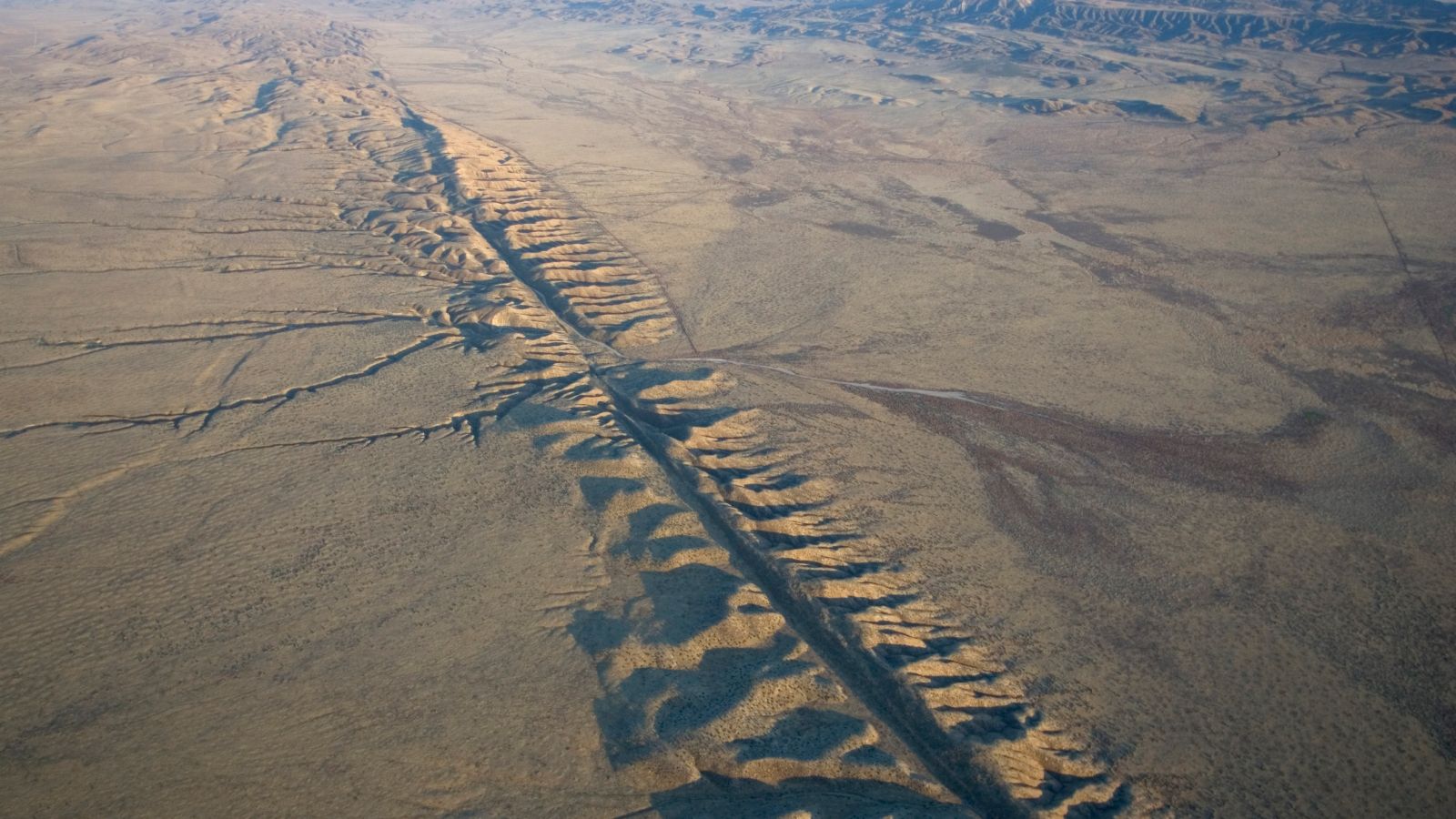
For decades, seismologists have puzzled over a curious pattern observed in sediment layers off the coasts of Washington, Oregon, and california. Recent research suggests a startling link between major earthquakes at the Cascadia Subduction Zone and subsequent events along the San Andreas Fault.This connection, if confirmed, dramatically alters our understanding of earthquake risk in the Pacific Northwest and California.
A Tale Told in Sediment
The story unfolds in deep-sea turbidites – underwater sediment deposits triggered by large-scale disturbances like earthquakes or landslides. Geologist Chris Goldfinger of the College of Oceanic and Atmospheric Sciences at Oregon State University noticed something unusual.He observed “doublet” turbidites: two distinct layers of sediment deposited remarkably close in time.
Specifically, at least three major Cascadia earthquakes were followed by seismic activity on the San Andreas Fault within days. This wasn’t a random occurrence. The layering itself offered a clue. The finer sediment from the Cascadia event was mixed with coarser material, indicating the upper layer had settled while the lower layer was still moving. This suggests a timeframe of just hours to days between the two events.
Unraveling the Mystery
Years of radiocarbon dating and cross-referencing with earthquake records from sources like California lakebeds were necessary to piece together the puzzle. Goldfinger and his team realized these “doublet” turbidites likely represent two separate earthquakes.
* The first, originating from the distant Cascadia region, would generate a weaker shaking, depositing onyl fine silt and sand.
* the second, a locally stronger earthquake on the San Andreas Fault, would follow shortly after, capable of moving coarser sediment.
This explanation elegantly aligned with the observed ages of the deposits, providing a breakthrough in understanding the relationship between these two major fault systems. The research, published September 29th in Geosphere, proposes that large Cascadia quakes can transfer stress to the San Andreas, ultimately triggering an earthquake there.
Stress Transfer: A Known, but Rarely Observed, Phenomenon
Earthquakes triggering other earthquakes – a process called “dynamic triggering” – isn’t new. However, most documented cases occur within the same fault zone. What makes this potential connection so significant is the distance and the different types of plate boundaries involved.
“There aren’t really examples that I can think of where two different types of plate boundary faults are so tightly coupled as what’s proposed in this paper,” explains Harold Tobin,a seismologist at the University of Washington,who was not involved in the study. While he acknowledges the careful methodology, Tobin cautions that alternative explanations for the sediment deposits remain possible.
Why This Matters to You
Both cascadia and the northern San Andreas region are highly active seismic zones. Understanding how these faults interact is crucial for accurate hazard assessment. Here’s what you need to know:
* Increased Risk: This research suggests the risk of a San andreas earthquake may temporarily increase following a major Cascadia event.
* Complex Systems: Interpreting sedimentary deposits and radiocarbon dating carries inherent uncertainties. This is a complex system with many contributing factors.
* Need for collaboration: More detailed research is needed to confirm this connection and refine our understanding of earthquake probabilities.
The Path Forward
Goldfinger emphasizes the need for increased collaboration between Cascadia and San Andreas geologists. by combining expertise and data, scientists can refine models and improve earthquake forecasting.
“We all have a lot to learn from each other,” Goldfinger states. “I’m hoping it will ratchet up the quality of science on both sides.” This research isn’t just about understanding the past; it’s about preparing for the future and mitigating the risks posed by these powerful geological forces.
Resources:
* Unravelling the dance of earthquakes: Evidence of earthquake-induced sediment transport from the Cascadia and San Andreas fault systems – Geosphere
* Harold Tobin – University of Washington
Worth a look