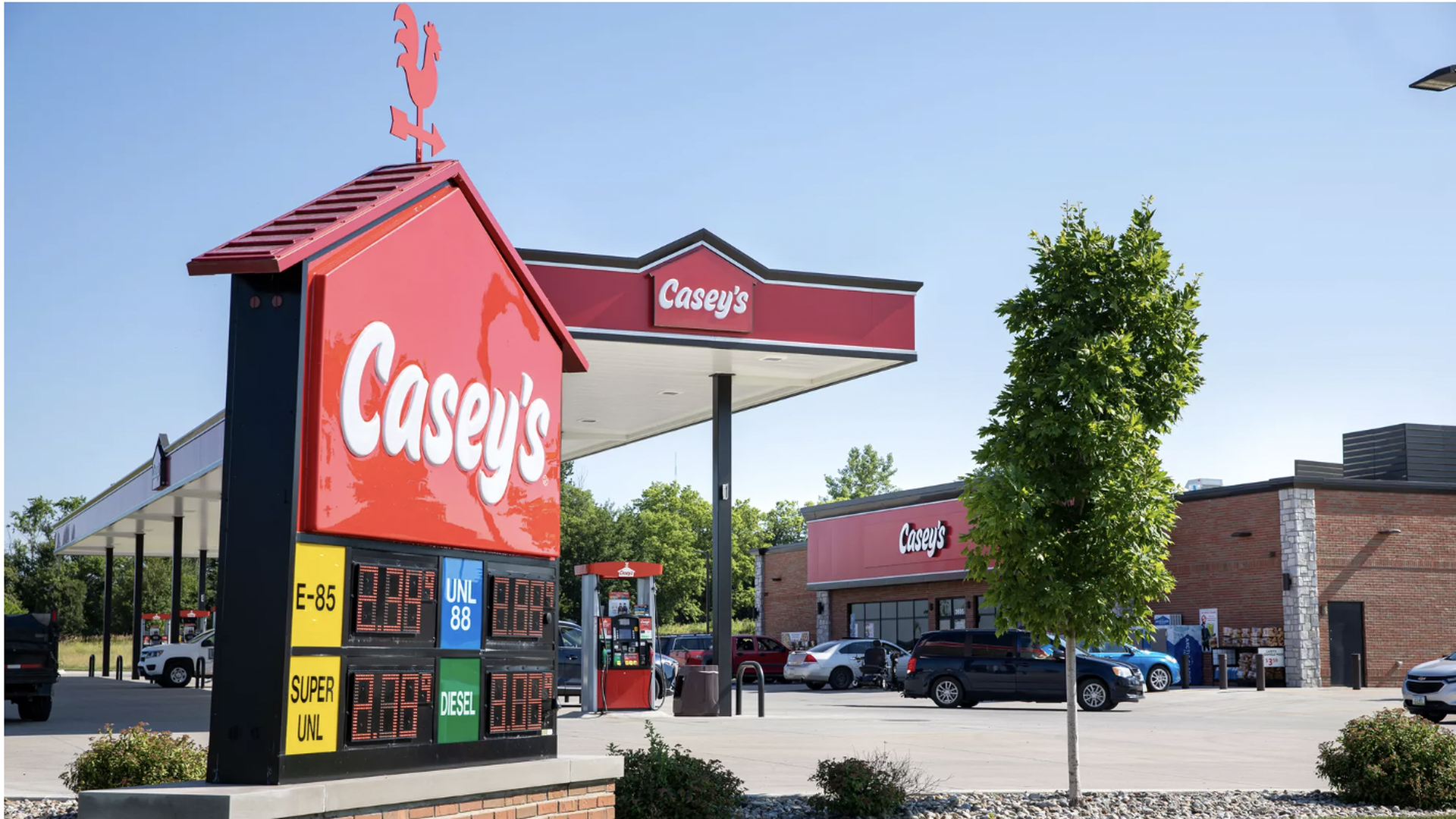
In the vast, rolling landscapes of the American Midwest, a specific brand of neon signage often serves as a beacon for travelers and locals alike. Casey’s General Store has evolved from a simple convenience stop into a cornerstone of rural infrastructure, blending the roles of a gas station, a grocery store and a local pizzeria. For those observing the company’s trajectory over the last decade, the growth of this Heartland staple offers a masterclass in niche market dominance.
The company’s success is not merely a result of geographic expansion, but a calculated strategy to fill a critical void in compact-town America. In many rural communities, the disappearance of local independent grocers and restaurants has left a vacuum that Casey’s General Stores has systematically filled by providing essential services and high-quality prepared foods.
By focusing on the specific needs of communities that are often overlooked by larger national chains, Casey’s has built a resilient business model. This resilience is rooted in two primary pillars: fuel and food. While gasoline drives the initial foot traffic, it is the “made-from-scratch” food service that secures customer loyalty and drives significant profit margins.
The Economics of Rural Convenience
At the heart of the Casey’s business model is a sophisticated approach to revenue streams. While most convenience stores rely heavily on high-volume, low-margin fuel sales, Casey’s has diversified its offerings to include a comprehensive menu of pizza, donuts, and subs. This shift toward prepared foods has fundamentally altered the company’s financial profile.
According to Brian Johnson, Casey’s Vice President of Finance and Corporate Secretary, the impact of this strategy is stark. Johnson notes that while prepared foods account for only about 8 percent of the company’s total revenue, they contribute approximately 32 percent of its gross profit . This disparity highlights why the company continues to invest heavily in expanded coffee bars and made-to-order food options.
To maintain this edge, Casey’s emphasizes a “made-from-scratch” product that is prepared fresh at every individual store location. This commitment to quality in a convenience setting allows the brand to compete not just with other gas stations, but with traditional fast-food outlets and local diners.
A Strategic Heartland Footprint
The geographic distribution of Casey’s stores reveals a deliberate focus on the Midwest, with a particular stronghold in Iowa and Illinois. Iowa serves as the operational hub, housing the company’s corporate offices, while Illinois has become the chain’s second-largest state in terms of presence .
The scale of this operation is significant. Verified data indicates that the chain has operated 1,770 stores across 14 different states, with Illinois alone hosting 410 of those locations . A large percentage of these stores are strategically placed within electric cooperative areas, further embedding the brand into the fabric of rural utility and community life.
The company’s commitment to small-town America is evident in its store placement statistics. Approximately half of all Casey’s locations are situated in communities where the total population is under 5,000 residents . In these environments, Casey’s often becomes the primary source for fuel and fresh food, creating a high level of dependency and repeat business.
Expanding the Service Model
While the traditional “stop-and-proceed” model remains central, Casey’s has begun implementing modern delivery and pickup options to retain pace with changing consumer habits. In larger communities, the company has successfully tested pizza delivery, extending its reach beyond the physical storefront .
This evolution into delivery services, combined with a robust store-finder system for fuel and snacks, ensures that the brand remains relevant to a new generation of consumers who prioritize convenience and digital accessibility without sacrificing the quality of “made-from-scratch” products.
Why the Model Works: Loyalty and Necessity
The success of Casey’s General Stores can be attributed to a deep understanding of the “small town business model.” In these areas, repeat business is not just a goal—it is a necessity for survival. Brian Johnson emphasizes that the company achieves this by focusing on two key areas: maintaining clean, well-maintained facilities and ensuring high-quality food service .
By positioning itself as a reliable provider of daily necessities, Casey’s transcends the typical “convenience store” label. It functions as a hybrid entity—part fuel station, part grocery store, and part restaurant—which protects the company from downturns in any single sector. If fuel prices fluctuate or demand drops, the high-margin pizza and prepared food categories provide a financial cushion.
the company’s ability to scale this model across 14 states while maintaining a “rural focus” has allowed it to grow without alienating its core customer base. Whether in a metropolitan area like Chicago or a tiny community like Athens, the fundamental human need for convenience and quality food remains a constant driver of sales.
| Category | Role in Business | Financial/Strategic Impact |
|---|---|---|
| Fuel | Primary Traffic Driver | High volume, essential utility |
| Prepared Foods | Profit Engine | ~32% of gross profit despite ~8% of revenue |
| Rural Locations | Market Dominance | ~50% of stores in towns under 5,000 people |
| Geographic Focus | Regional Strength | Iowa (HQ) and Illinois (Second largest state) |
As the company continues to evolve, its focus remains on the intersection of convenience and quality. The expansion of delivery services and the refinement of its food menu suggest that Casey’s intends to deepen its penetration into the rural market while continuing to leverage its high-margin prepared food strategy.
For investors and industry analysts, the story of Casey’s is one of strategic alignment. By identifying an underserved demographic and providing a multi-functional solution to their daily needs, the company has turned the rural convenience store into a powerhouse of the American Midwest.
The next phase of the company’s growth will likely be observed in its continued expansion of delivery capabilities and the potential for further entry into new states, as it seeks to replicate its Heartland success in other rural corridors of the United States.
Do you live in a community served by Casey’s, or have you noticed a shift in how rural convenience stores operate in your region? Share your thoughts in the comments below.
Keep reading