Casino de la Vallée Investigation Widens, Anonymous Tip-offs Spark Further Scrutiny
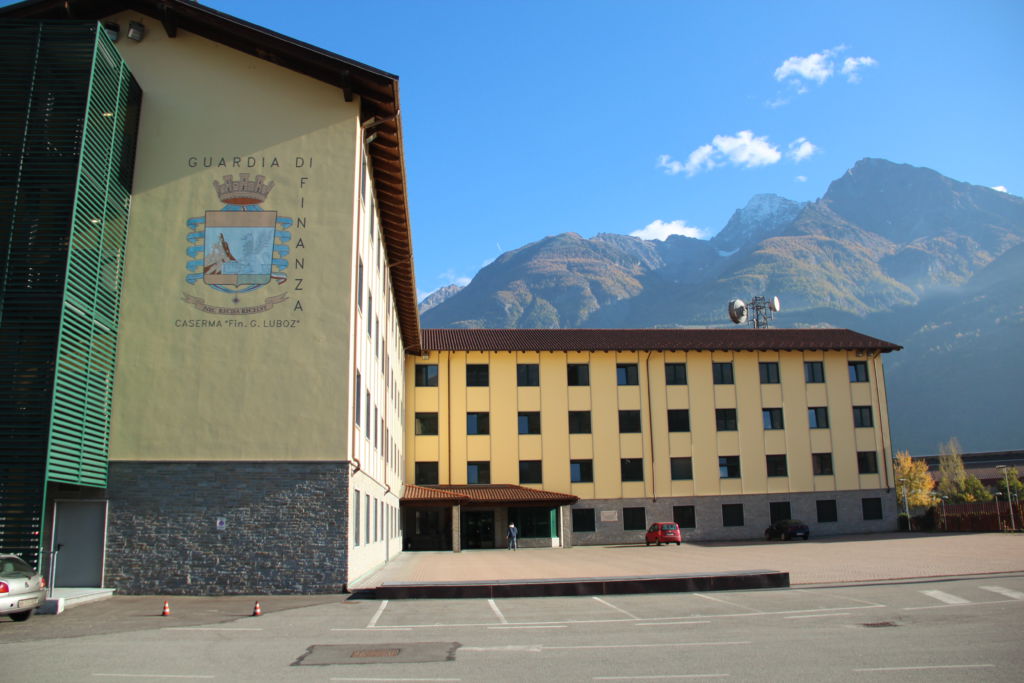
The prestigious Casino de la Vallée in Saint-Vincent, Italy, remains under intense scrutiny as a sprawling investigation into alleged money laundering continues to unfold. What began as a probe into the financial activities of player Adolfo Quaglia in 2023 has expanded to encompass a wider network of individuals and potential illicit financial flows, fueled by anonymous reports originating from within the casino itself. The investigation, led by the Guardia di Finanza (financial police) of Aosta, is now entering its final stages, with potential new indictments looming as investigators analyze a surge of information.
The initial focus on Quaglia, an entrepreneur residing in Poland, stemmed from unusual patterns in his casino transactions. Between 2022 and 2023, Quaglia reportedly purchased casino chips worth €2,362,500, often using credit cards with untraceable origins or “maison” checks, followed by requests for bank transfers to foreign accounts, particularly in Poland. Investigators suspect this activity was designed to “clean” funds of illicit origin, disguising them as legitimate casino winnings. However, records indicate Quaglia spent very little time actually gambling, raising further suspicions.
The investigation gained momentum with the receipt of two anonymous tip-offs in 2023, submitted directly to the Guardia di Finanza by individuals reportedly working within the Casino de la Vallée. These reports detailed concerns about operational procedures related to currency exchange and relationships with high-roller players, specifically alleging the involvement of multiple casino employees. These accusations, combined with the initial evidence gathered regarding Quaglia’s transactions, prompted the launch of a dedicated investigation by the Guardia di Finanza’s economic and financial police unit in Aosta.
Anonymous Reports and Internal Concerns
The anonymous reports highlighted irregularities in the casino’s handling of large sums of money – estimated to be tens of thousands of euros per week – potentially linked to tax evasion and other financial crimes. The alleged scheme involved using the casino as a conduit to transform illicit funds through currency exchange operations and financial instruments like cashier’s checks and bank transfers. According to reports, the Guardia di Finanza is reconstructing how these funds were allegedly moved through the casino.
Among those scrutinized is Massimo Martini, a frequent player identified as a VIP client by the casino’s former marketing department. However, investigators view Martini as a central figure in the alleged money laundering operation, not simply a high-stakes gambler. He is not described as a “porteur” – a client procurer – but rather as someone who moved significant amounts of money through the casino in a manner consistent with money laundering activities. The Guardia di Finanza’s notes suggest Martini, known for his flattering demeanor and friendship with Cristiano Sblendorio, the then-director of marketing, allegedly exerted psychological pressure on another casino employee, fostering a relationship of dependency that facilitated cash exchange operations.
Investigators are currently working to fully understand the personal and professional relationships between Martini, other players, and casino staff. The extent of Martini’s influence and the nature of the alleged psychological pressure are key areas of focus. The investigation is attempting to determine whether Martini exploited his relationship with Sblendorio and other employees to bypass standard financial controls and facilitate the movement of illicit funds.
Casino de la Vallée Cooperation and Legal Ramifications
The Casino de la Vallée Spa has publicly stated its full cooperation with the ongoing investigation. In a statement released in December 2025, the casino emphasized its commitment to adhering to anti-money laundering regulations and offered “the widest collaboration” with authorities. The company too reserved the right to accept legal action against anyone who acted fraudulently or unfairly against the casino.
The investigation has already implicated 33 individuals, and the number could increase as investigators pursue leads generated by potential “chiamate in correità” – statements made by suspects implicating others in the alleged crimes. In Italian law, a “chiamata in correità” is a defensive strategy where an individual involved in a criminal proceeding provides information about the involvement of others. However, these statements must be corroborated by independent evidence to be admissible in court.
The legal process of “chiamata in correità” is a crucial element in Italian criminal investigations, allowing authorities to broaden their scope and uncover hidden networks of criminal activity. The possibility that current suspects may offer further information about the involvement of others is a key factor driving the potential expansion of the investigation’s perimeter.
Investigation Nearing Conclusion
Sources close to the investigation indicate that the preliminary inquiry is nearing its conclusion, with a potential closing of the investigation as early as June. The Aosta Prosecutor’s Office is coordinating the investigation, and the Guardia di Finanza is meticulously gathering evidence to build a comprehensive case. The complexity of the financial transactions and the need to trace the origins and destinations of the funds have contributed to the length of the investigation.
The case highlights the ongoing challenges faced by casinos and other financial institutions in preventing money laundering and complying with increasingly stringent regulations. The Casino de la Vallée’s commitment to cooperation with authorities is seen as a positive step, but the investigation underscores the importance of robust internal controls and vigilant monitoring of financial transactions. The outcome of this investigation could have significant implications for the casino industry in Italy and beyond, potentially leading to stricter regulations and increased scrutiny of financial practices.
As the investigation nears its conclusion, the focus will shift to the prosecution of those implicated in the alleged money laundering scheme. The Aosta Prosecutor’s Office will carefully review the evidence gathered by the Guardia di Finanza and prepare for potential trials. The case is expected to attract significant media attention and could set a precedent for future investigations into financial crimes within the casino industry.
The next key development in this case is anticipated in June, with the potential closure of the preliminary investigation. Readers can stay informed about updates from the Aosta Prosecutor’s Office and the Guardia di Finanza through their official websites. We encourage readers to share their thoughts and perspectives on this developing story in the comments below.
Related reading