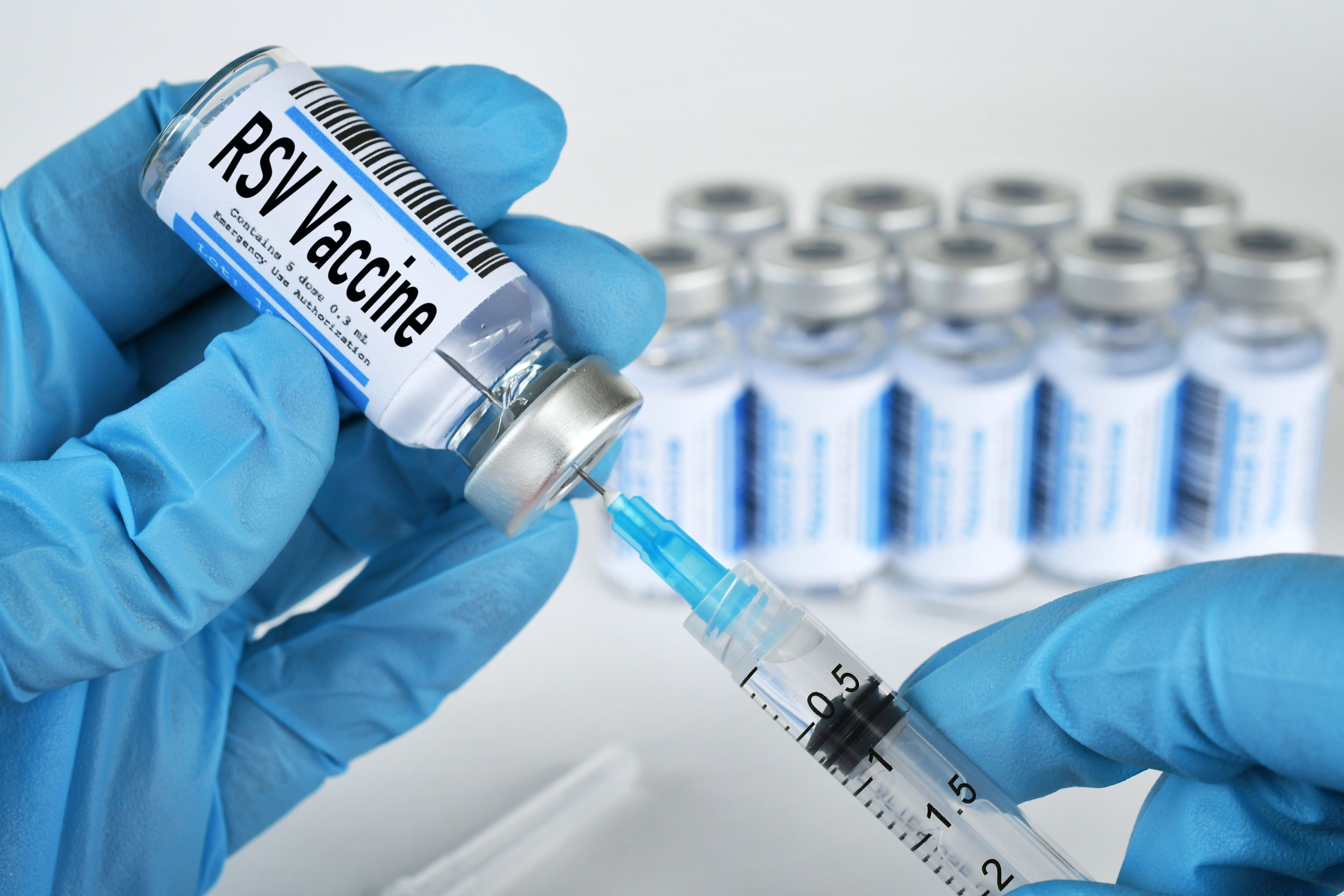
In April 2026, the regional government of Castilla-La Mancha in central Spain announced plans to acquire 15,000 doses of Niservimab, a monoclonal antibody designed to protect infants against respiratory syncytial virus (RSV), for the 2026–2027 immunization campaign. The decision, confirmed by regional health officials, reflects a growing public health focus on preventing severe RSV infections in newborns and young infants, a group particularly vulnerable to the virus.
According to statements from Esther Padilla, the regional government’s spokesperson, the purchase represents an investment of over 3.2 million euros and is part of a broader, sustained commitment to immunization policies by the Castilla-La Mancha executive. Niservimab, the product being procured, is described as a monoclonal antibody targeting RSV, the leading cause of lower respiratory tract infections in infants under one year old, including bronchiolitis and pneumonia.
RSV remains a significant global health concern for young children. Health officials cited World Health Organization data indicating that RSV is the second most common cause of death in children under one year of age worldwide. The virus places considerable strain on healthcare systems each winter, driving increases in emergency department visits, hospital admissions, and pediatric intensive care unit occupancy.
The acquired doses are expected to demonstrate approximately 80% effectiveness in preventing severe disease and hospitalization among infants under one year, based on clinical data referenced by regional authorities. This level of protection is viewed as critical not only for child health but also for reducing avoidable burdens on primary care and hospital services during peak respiratory illness seasons.
Understanding RSV and the Role of Preventive Antibodies
Respiratory syncytial virus is a common seasonal pathogen that typically circulates from late autumn through early spring. While most children experience mild, cold-like symptoms, RSV can progress to severe lower respiratory tract disease in infants, particularly those under six months, premature babies, and children with underlying heart or lung conditions. In these cases, infection may require hospitalization and, in rare instances, intensive care support.
Unlike traditional vaccines that stimulate active immunity, Niservimab belongs to a class of long-acting monoclonal antibodies designed to provide immediate, passive immunity. Administered as a single intramuscular injection, it offers protection for approximately five months — covering the typical RSV season. This approach is especially valuable for newborns who may not mount a strong immune response to vaccines early in life.
The European Medicines Agency (EMA) granted marketing authorization for Niservimab in 2023 for the prevention of RSV disease in neonates and infants entering their first RSV season. Similar products, such as nirsevimab (marketed as Beyfortus), have been adopted in national immunization programs across several European countries and the United States, where they have demonstrated measurable reductions in RSV-related hospitalizations.
Regional Health Strategy and Equity Considerations
Castilla-La Mancha’s decision to fund widespread infant immunization against RSV aligns with recommendations from public health experts who argue that universal prophylaxis could reduce health disparities. In Spain, as in many countries, access to preventive RSV therapies has historically been limited to high-risk infants, leaving a large portion of the infant population vulnerable despite the potential for severe outcomes in otherwise healthy babies.

By expanding access to all newborns and infants through regional procurement, Castilla-La Mancha joins a growing number of European regions pursuing broader RSV prevention strategies. Officials emphasized that the investment supports healthcare system sustainability by reducing avoidable clinical workload during winter months, when RSV epidemics typically coincide with influenza and other respiratory pathogens.
The announcement also included a separate initiative: the planned construction of a novel primary care center in Herencia, a municipality in the province of Ciudad Real. The facility, backed by over six million euros in regional funding and scheduled for completion within 16 months, aims to modernize healthcare infrastructure in response to rising demand from a growing patient base serving more than 8,400 health card holders.
What This Means for Families and Public Health
For parents and caregivers, the availability of publicly funded RSV prophylaxis offers a tangible tool to protect infants during their most vulnerable months. While hygiene measures such as handwashing, avoiding close contact with sick individuals, and limiting exposure to crowds remain essential, they are often insufficient to prevent community transmission of RSV, which spreads easily through respiratory droplets and contaminated surfaces.
Public health officials continue to stress that preventive antibodies like Niservimab are not a replacement for broader vaccination efforts but a complementary strategy focused on immediate protection. Ongoing surveillance will be essential to monitor real-world effectiveness, duration of protection, and any potential impact on viral transmission dynamics within communities.
As of late April 2026, no further updates have been issued regarding the procurement timeline or distribution plan for the 15,000 doses. Families seeking information about eligibility and administration are advised to consult their local pediatricians or regional health services once the campaign officially begins ahead of the 2026–2027 RSV season.
World Today Journal will continue to monitor developments in infant immunization policies across Europe and provide evidence-based updates as new data becomes available. Readers are encouraged to share their experiences and questions in the comments section below and to share this article with others who may discover it informative.