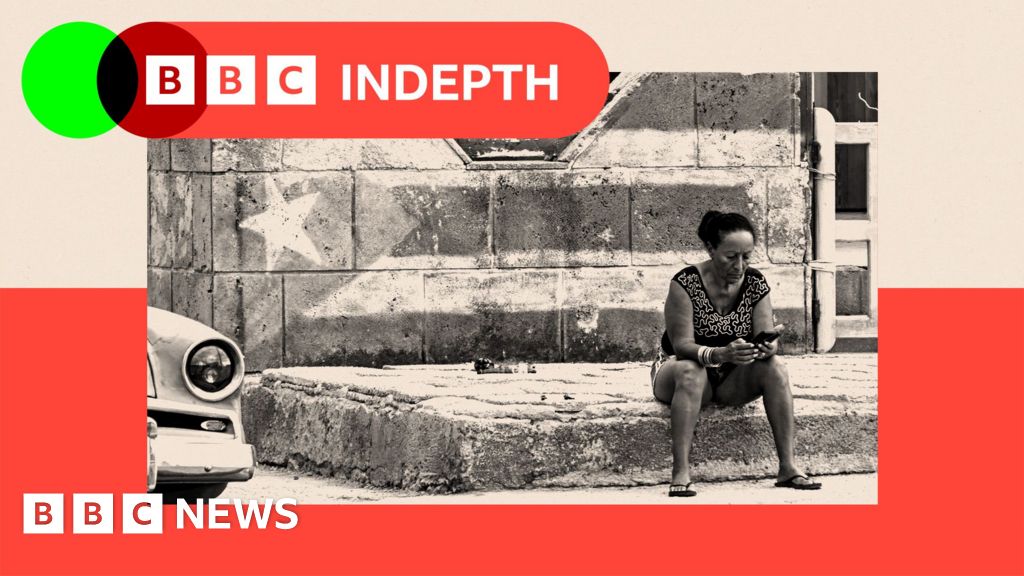
Havana – The Cuban Revolution, already navigating decades of economic hardship and political isolation, faces what many analysts believe is its most significant threat yet under the administration of U.S. President Donald Trump. A series of escalating pressures from Washington, coupled with unprecedented diplomatic maneuvering, are reshaping the island’s future, raising questions about the long-term viability of the communist government. Central to this shift is a previously undisclosed channel of communication between the Trump administration and a key figure within the Cuban leadership: Raúl Castro’s grandson, Raúl Guillermo Rodríguez Castro.
The revelation, first reported by Axios and subsequently confirmed by the Miami Herald, details secret talks initiated by Secretary of State Marco Rubio with Rodríguez Castro, who serves as both a caretaker to the aging Raúl Castro and his closest assistant and security chief. These discussions are occurring outside of established diplomatic channels, signaling a deliberate strategy to bypass official Cuban government structures and engage directly with those perceived to hold real power within the regime. This approach underscores the Trump administration’s assessment that the 94-year-old Castro remains the ultimate decision-maker on the island, despite formally handing power to Miguel Díaz-Canel in 2018.
A New Strategy of Pressure and Backchannel Diplomacy
The U.S. Has significantly tightened its economic sanctions against Cuba in recent years, targeting key sectors like tourism and remittances. These measures, intended to cripple the Cuban economy and pressure the government to enact political reforms, have demonstrably impacted daily life for ordinary Cubans. Reports indicate widespread shortages of basic goods, increased economic hardship and growing discontent. CNN has reported that life in Cuba is grinding to a halt under the weight of U.S. Pressure, a situation the Trump administration hopes will create an environment conducive to change.
Although, the imposition of sanctions alone is not the extent of the U.S. Strategy. The secret talks with Raúl Guillermo Rodríguez Castro represent a more nuanced and potentially more effective approach. By engaging directly with someone considered a trusted confidante of Raúl Castro, the administration aims to exert influence from within, potentially leveraging existing economic interests and familial ties to push for concessions. Rodríguez Castro, often referred to within Cuba as “El Cangrejo” (The Crab), is reportedly more business-oriented than ideologically driven, and lacks extensive diplomatic experience, a characteristic the U.S. May notice as an advantage in negotiations.
The Role of Raúl Guillermo Rodríguez Castro
While details of the conversations between Rubio and Rodríguez Castro remain closely guarded, sources suggest the discussions center around potential economic openings and political reforms. The Trump administration is reportedly seeking assurances that Cuba will move towards a more market-oriented economy, respect human rights, and release political prisoners. The choice of Rodríguez Castro as the intermediary is significant. He has served as his grandfather’s personal bodyguard for years, demonstrating unwavering loyalty and a deep understanding of the inner workings of the Cuban government. His close proximity to Raúl Castro provides a direct line of communication that bypasses the bureaucratic hurdles and potential resistance of other Cuban officials.
The lack of official confirmation from either side – particularly from Cuban authorities – underscores the sensitivity of these talks. The Cuban government is likely wary of appearing to negotiate under duress or of being seen as yielding to U.S. Pressure. However, the fact that the conversations are taking place at all suggests a willingness on the part of at least some elements within the Cuban leadership to explore potential avenues for dialogue, even if those avenues are unconventional.
The Implications for the Cuban Revolution
The current situation represents a critical juncture for the Cuban Revolution. The combination of unrelenting economic pressure and direct engagement with a key figure within the ruling family poses an existential threat to the communist system established by Fidel Castro in 1959. The Trump administration’s strategy appears to be predicated on the belief that the Cuban government is vulnerable and that a combination of economic hardship and internal pressure can force meaningful change.
The success of this strategy, however, is far from guaranteed. The Cuban government has a long history of resilience and a deep-seated commitment to its socialist ideology. It is also key to note that the Cuban people have demonstrated a remarkable capacity to endure hardship, and there is no guarantee that economic pressure will translate into widespread political unrest. The Cuban government maintains strong alliances with other nations, including Venezuela and Russia, which could provide economic and political support.
Potential Scenarios and Challenges
Several potential scenarios could unfold in the coming months. One possibility is that the talks with Rodríguez Castro could lead to a gradual easing of U.S. Sanctions in exchange for limited political reforms. Another possibility is that the talks could collapse, leading to a further escalation of tensions and a deepening of the economic crisis. A third possibility is that the Cuban government could attempt to consolidate its power and resist U.S. Pressure, potentially leading to increased repression and a further deterioration of human rights.
The challenges facing the Trump administration are significant. The Cuban government is a complex and opaque entity, and it is difficult to predict how it will respond to U.S. Pressure. The administration must also navigate the delicate balance between exerting pressure and maintaining a channel for dialogue. A miscalculation could have unintended consequences, potentially destabilizing the island and triggering a humanitarian crisis.
The Future of U.S.-Cuba Relations
The current situation raises fundamental questions about the future of U.S.-Cuba relations. The Trump administration has effectively reversed the policy of engagement pursued by the Obama administration, which had sought to normalize relations with Cuba through diplomatic openings and economic cooperation. The current approach is based on a more confrontational stance, predicated on the belief that pressure is the most effective way to achieve political change.
Whether this strategy will succeed remains to be seen. However, the Cuban Revolution faces its biggest threat yet. The combination of economic pressure, backchannel diplomacy, and a determined U.S. Administration has created a volatile and uncertain situation. The outcome will have profound implications for the future of Cuba and for U.S. Foreign policy in the region.
The next key development to watch will be any official statement from either the U.S. State Department or the Cuban government regarding the status of the talks with Raúl Guillermo Rodríguez Castro. Any indication of progress or breakdown in negotiations will provide valuable insight into the future trajectory of U.S.-Cuba relations. The situation remains fluid and requires careful monitoring as events unfold.
What are your thoughts on the evolving situation in Cuba? Share your perspectives in the comments below, and please share this article with your networks.
Worth a look