For many families, the gradual clouding of a grandparent’s vision is often dismissed as an inevitable part of aging—a natural progression where the world simply becomes a bit blurrier. However, medical experts are now warning that treating cataracts as a mere “ancient age” phenomenon can be a dangerous oversight. The impact of cataracts extends far beyond the eyes, potentially triggering a cascade of health issues that affect the brain, emotional well-being and physical safety.
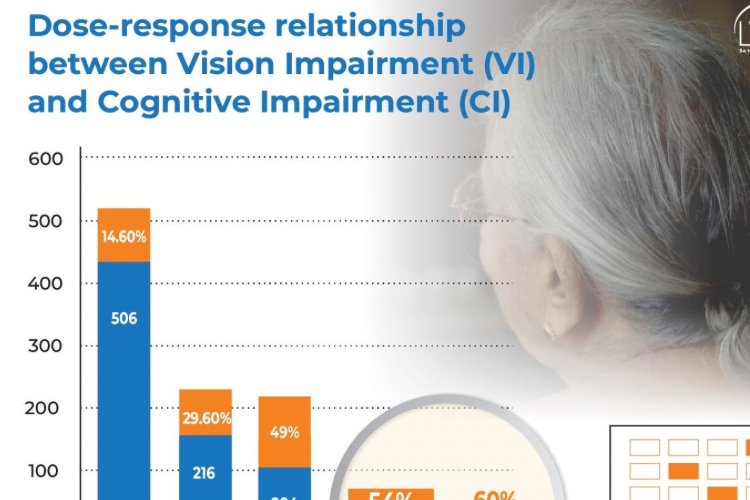
Recent clinical perspectives and research indicate a significant link between cataracts and cognitive decline. When an elderly person loses the ability to see clearly, the brain receives fewer stimuli, which can lead to a reduction in cognitive activity. This connection is so pronounced that addressing the visual impairment through surgical intervention has been shown to substantially lower the risk of developing dementia.
According to research published in the Journal of the American Medical Association (JAMA), elderly patients who underwent cataract surgery experienced a 29% reduction in the risk of dementia compared to those who did not have the procedure, after controlling for social and health factors Tdn Today. This finding underscores that restoring sight is not just about visual acuity. It’s a critical step in preserving brain health and maintaining cognitive vitality in later life.
How Vision Loss “Steals” Brain Function
The relationship between the eyes and the brain is symbiotic. When cataracts cause the lens of the eye to become opaque, the amount of visual information reaching the brain drops significantly. Dr. Nian Jing-min, Director of Kaohsiung Wufu Nobel Eye Clinic, explains that this lack of visual input can lead to the atrophy of the brain’s visual cortex. Essentially, when the brain stops receiving a steady stream of clear data, the areas responsible for processing that information start to shrink.
Research indicates that elderly individuals with impaired vision often exhibit a lower density of gray matter in the brain compared to their peers with normal vision Yahoo News. This physical change in the brain’s structure contributes to a general decline in cognitive functions, including memory and thinking capabilities.
The Burden of Cognitive Load
Beyond the physical atrophy of brain tissue, cataracts impose a heavy “cognitive load” on the patient. When vision is blurred, the brain must work significantly harder to perform simple tasks, such as recognizing a familiar face or reading a line of text. This effort consumes a vast amount of mental energy and processing resources.

Dr. Nian notes that when the brain is forced to dedicate most of its resources simply to “seeing,” it has fewer resources left for higher-order cognitive functions. This diversion of mental energy often manifests as:
- Decreased memory retention
- Reduced concentration and attention span
- Slower reaction times and delayed thinking
The Cycle of Social Isolation and Depression
The psychological impact of cataracts is as debilitating as the physical one. Many seniors, frustrated by their inability to see clearly or fearing the embarrassment of not recognizing people, begin to withdraw from social activities. They may stop attending family gatherings, cease reading books, or stop watching television—activities that previously provided mental stimulation and emotional connection.
This social isolation is a known risk factor for accelerated cognitive decline. Human interaction and the learning of fresh things are essential for maintaining brain plasticity. When a senior becomes “homebound” due to vision loss, the lack of environmental stimulation accelerates the deterioration of their cognitive state, often leading to symptoms of depression and a general loss of enthusiasm for life.
Dr. Lin Jin-hua, Director of Douliu University Eye Clinic, observes that the transformation is often striking after surgery. Many patients report feeling “more cheerful” and open once their vision is restored, as the ability to engage with the world again effectively “restarts” their brain’s vitality Tdn Today.
Physical Risks and the Danger of Delay
While the cognitive risks are profound, the immediate physical dangers of untreated cataracts cannot be ignored. Blurred vision significantly impairs depth perception and spatial awareness, which drastically increases the risk of falls and subsequent bone fractures in the elderly.
some patients avoid surgery due to fear, which can lead to severe complications. Dr. Lin warns that once a cataract becomes “over-mature” or too hard, it can trigger other serious ocular conditions, such as:
- Glaucoma: Increased pressure within the eye that can damage the optic nerve.
- Uveitis: Inflammation of the uvea (the middle layer of the eye).
These complications can cause permanent, irreversible vision loss that surgery may no longer be able to fully correct.
Identifying the Warning Signs
Family members are encouraged to stay vigilant for subtle signs that a senior’s vision is failing, as the elderly may not always articulate their struggles. Warning signs include:
- Complaints that things glance “foggy” or “cloudy.”
- Colors appearing yellowed or dimmer than usual.
- Sitting closer and closer to the television to see the screen.
- Frequently changing glasses without any improvement in clarity.
- Increased instability while walking or a tendency to trip.
- Frequent rubbing of the eyes.
Modern Solutions: Precision and Recovery
Because the clouding of the lens is an irreversible process, eye drops can only slow the progression of cataracts; they cannot cure them. The only definitive treatment is surgical removal of the cloudy lens and its replacement with an artificial intraocular lens (IOL).
Advances in precision medicine, specifically the employ of femtosecond lasers, have made cataract surgery safer and recovery times faster. By using laser precision to craft incisions and break up the cataract, surgeons can reduce the risk of complications and provide a more predictable visual outcome.
| Area of Impact | Untreated Cataracts | Post-Surgical Outcome |
|---|---|---|
| Cognitive Health | Increased dementia risk; brain atrophy | 29% reduction in dementia risk (JAMA) |
| Mental State | Social isolation; depression | Increased openness and mood improvement |
| Physical Safety | High risk of falls and fractures | Improved balance and spatial awareness |
| Eye Health | Risk of glaucoma and uveitis | Prevention of permanent vision loss |
cataract surgery is more than a procedure to fix sight; it is a preventative health measure that protects the brain and the spirit. By restoring the visual gateway to the world, medical professionals can help seniors maintain their independence, their memories, and their connection to their loved ones.
For those caring for elderly parents or grandparents, the next step is a comprehensive eye examination to determine the stage of cataract progression and discuss the viability of surgical options. Early intervention remains the most effective way to prevent both physical injury and cognitive decline.
Do you have experience supporting a loved one through vision loss or cataract surgery? Share your thoughts and stories in the comments below to help other families navigate these health challenges.
Worth a look