
remembering Faith Amidst Persecution: Beatifications in Spain and France Honor Courageous Martyrs of the 20th Century
By Jonathan-Reed, Content Strategist & SEO Expert
On december 13th, 2025, the Catholic Church honored extraordinary acts of faith and sacrifice with simultaneous beatification ceremonies in Spain and France. These events recognized men and women who remained steadfast in their beliefs during times of intense persecution – a powerful reminder of courage in the face of adversity. Let’s explore the stories behind these recent honors and what they signify for today.
Spain Honors 124 Martyrs of the Spanish Civil War
The Cathedral of Jaén, Spain, served as the backdrop for the beatification of 124 individuals who lost their lives during the Spanish Civil War (1936-1939).this recognition culminates decades of meticulous research, beginning in the 1990s, to document the brutal anti-Catholic persecution that characterized the conflict.
The group is divided into two distinct causes for canonization:
* Manuel Izquierdo Izquierdo and 58 companions: Diocesan priests and laypeople killed for their faith.
* Antonio Montañés Chiquero and 64 associates: Another group of martyrs facing similar persecution.
These individuals were targeted for their unwavering commitment to the Catholic Church during a period of intense social and political upheaval. Their stories are a testament to the enduring power of faith even in the darkest of times.
Notre Dame Celebrates 50 French Heroes of WWII
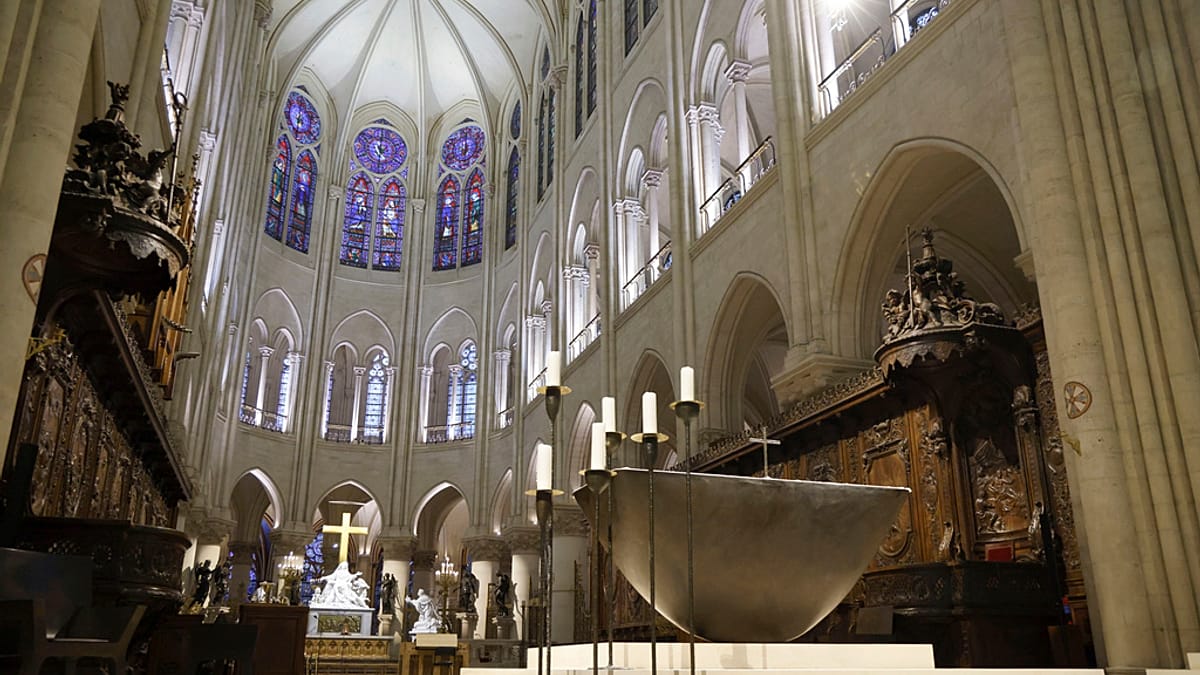
Across the border, Notre Dame Cathedral in Paris – recently reopened – hosted a deeply moving beatification ceremony for 50 French individuals. These weren’t high-profile figures, but rather young priests, religious workers, seminarians, scouts, and lay activists. They answered a call to action in 1943, responding to Abbé Jean Rodhain and Archbishop Emmanuel Suhard’s plea to support French workers deported to Germany.
consider the context: approximately 1.5 million French citizens were working in Germany between 1942 and 1945, cut off from spiritual guidance as German clergy were prohibited from ministering to them. This group of 50 bravely stepped into that void.
Here’s what made their mission so vital:
* spiritual Support: They sought to provide religious comfort and moral support to those facing hardship and isolation.
* Answering a Direct Call: They responded to a specific need identified by Church leadership.
* Youthful Dedication: Most were between 20 and 35 years old, demonstrating a remarkable commitment to their faith and fellow citizens.
This beatification, the largest collective recognition of its kind in French history, drew 2,500 attendees, including 1,500 family members of the martyrs. Notably, both French and German bishops were present, emphasizing a message of reconciliation and shared remembrance.
A Decree and a Message for the Future
Pope Leo XIV formally recognized the martyrdom of these 50 French individuals in June 2025 through a decree from the Dicastery of the Causes of Saints. Though, the beatification wasn’t presented as simply a historical event.
Cardinal Jean-claude Hollerich, Archbishop of Luxembourg, powerfully articulated the relevance of these stories to the present day. He emphasized that this beatification “invites us to look at the present and prepare for the future,” reminding us that “we are not immune to war or violence.”
This message resonates deeply in a world still grappling with conflict and injustice. the courage and faith of these martyrs serve as an inspiration to stand up for what is right, even in the face of overwhelming odds.
Why These Beatifications Matter to You
These events aren’t just significant for the Catholic Church. They offer universal lessons about:
* The Power of Faith: The unwavering belief of these individuals sustained them through unimaginable hardship.
* The Importance of Service: Their dedication to others, even at great personal risk, exemplifies selfless service.
* The Enduring Need for Reconciliation: The presence of both French and German bishops underscores the importance of healing and forgiveness.
As you reflect on these stories, consider how you can embody these values in your own life. the legacy of these martyrs challenges us all to


![Hamilton Christmas Eve Robbery: 3 Youths Arrested | [Year] Update](https://media.rnztools.nz/rnz/image/upload/s--nP7cJMJH--/t_tohu-badge-facebook/v1666821097/4LJ9HX0_IMG_1842_1_jpg?_a=BACCd2AD "Hamilton Christmas Eve Robbery: 3 Youths Arrested | [Year] Update")


