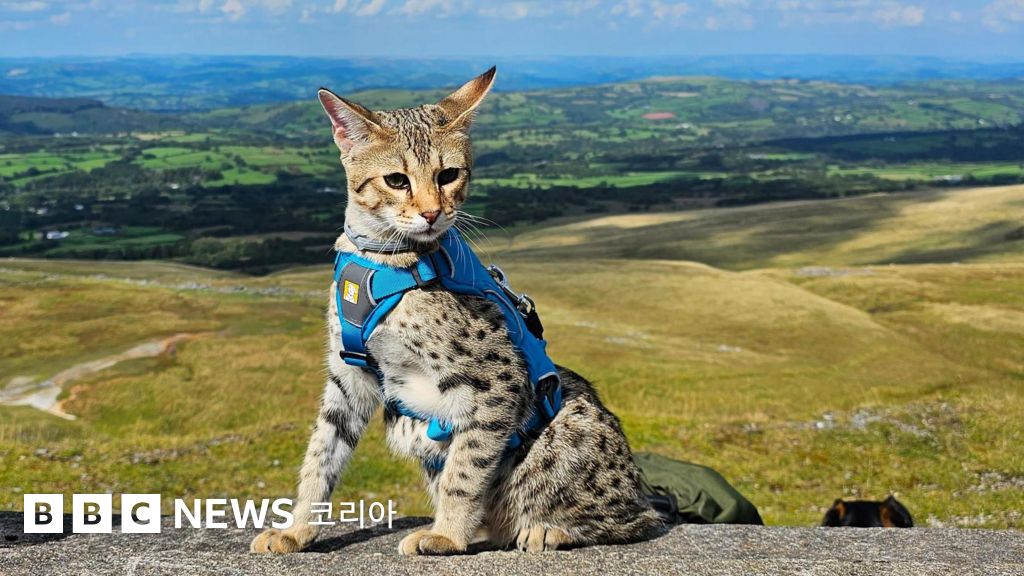
The image of a cat strolling through a park on a leash has become a recurring sight on social media feeds, sparking a global conversation among pet owners: is walking cats a genuine benefit to their well-being, or is it simply a trend driven by the desire for shareable content? For many, the idea of introducing a feline to the great outdoors seems like the ultimate form of enrichment, yet the reality of cat behavior is far more complex than a viral video suggests.
Determining whether such activities are beneficial requires moving beyond social media trends and looking toward established animal welfare authorities. In the United Kingdom, organizations such as Cats Protection and the historic Battersea Dogs & Cats Home provide the professional framework necessary to understand what constitutes proper care and stimulation for domestic cats.
The central tension in the “cat walking” debate lies in the difference between a cat’s instinctual needs and human perceptions of happiness. While dogs are traditionally bred for outdoor activity, cats are territorial animals. Introducing them to unpredictable environments can be a source of stress rather than pleasure. This is why animal welfare experts emphasize the importance of research and professional guidance before implementing new routines.
The Role of Professional Guidance in Cat Welfare
For those questioning the validity of cat walking or other enrichment activities, the most reliable answers come from vet-approved resources. Cats Protection offers a comprehensive suite of vet-approved guides that cover everything from basic kitten care to managing cat behavior. These resources are designed to ensure that owners make decisions based on biological needs rather than aesthetic trends.
Responsible ownership begins with understanding that every cat is an individual. What may be an enriching experience for one feline could be terrifying for another. Professional organizations advocate for a tailored approach to care, urging prospective and current owners to do thorough research before introducing their pets to potentially stressful situations.
Beyond behavioral advice, these institutions provide critical infrastructure for animal health. Cats Protection, for example, manages various support systems, including regional neutering campaigns, financial assistance and the Cat Guardians service, ensuring that the welfare of the animal always takes precedence over the preferences of the owner.
Learning from Established Institutions
The history of animal welfare in the UK provides a blueprint for how to handle the complexities of pet ownership. The Battersea Dogs & Cats Home, established in 1860, stands as one of the oldest and most respected animal welfare institutions in the country. Its long history of providing new homes to abandoned animals underscores a fundamental truth: the primary goal of any pet activity should be the safety and stability of the animal.
When owners look to these institutions, the focus is rarely on “trends” and almost always on “stability.” The transition from a shelter to a home is a delicate process. For those looking to adopt, using tools like the Find-a-Cat tool—which allows users to locate available cats within 15 miles of their postcode—is the first step in a journey that requires patience and a commitment to the animal’s specific psychological needs.
Key Considerations for Cat Enrichment
- Consult Experts: Always refer to vet-approved guides before attempting leash training or outdoor excursions.
- Prioritize Safety: Understand that territorial instincts may make outdoor environments stressful for many domestic cats.
- Research First: As advised by welfare organizations, conduct thorough research into your specific cat’s temperament before changing their environment.
- Utilize Verified Tools: Rely on established charities for adoption and care advice to ensure the animal’s needs are met.
From Adoption to Long-Term Care
The question of whether walking a cat is “fine” is often a symptom of a larger desire to provide a high quality of life for a pet. However, quality of life is not defined by how “human” an activity is, but by how well it meets the animal’s natural instincts. For most cats, indoor enrichment—such as climbing structures, puzzle toys, and secure vertical spaces—provides the necessary stimulation without the risks associated with the outdoors.
For those who are still considering adoption and wondering how to prepare for a new companion, the focus should remain on the fundamentals. Preparing the home environment and understanding the responsibilities of ownership are the most critical steps. Whether a cat will eventually enjoy a walk is a secondary concern that should only be addressed after a strong bond and a sense of security have been established within the home.
the distinction between a beneficial activity and a social media trend is found in the source of the advice. When the motivation is a “like” or a “share,” the animal’s welfare may be compromised. When the motivation is a vet-approved guide or the recommendation of a welfare expert from an organization like Cats Protection, the animal’s health remains the priority.
For those looking to start their journey with a feline companion, the most immediate action is to explore local adoption options and study the requirements of feline care through official channels. The Find-a-Cat tool remains a primary resource for connecting rescue cats with compatible owners in their local areas.
We invite our readers to share their experiences with cat enrichment and adoption in the comments below. Have you found a balance between modern trends and professional welfare advice?