
Egypt’s Interest Rate Cuts: A Catalyst for Economic Growth and Sectoral Revival
Egypt’s recent series of interest rate cuts, culminating in significant reductions throughout 2025, represent a pivotal moment in the nation’s economic trajectory. This proactive monetary policy shift, driven by a demonstrable decline in inflation and a commitment to long-term stability, is poised to unlock considerable growth across key sectors, bolster private sector confidence, and attract vital foreign investment. This analysis will delve into the multifaceted impacts of these cuts, drawing on insights from leading industry figures and experts, and outlining the expected benefits for manufacturing, real estate, and overall economic performance.
A Strategic response to Macroeconomic Improvements
The Central Bank of Egypt (CBE) has strategically responded to a cooling inflationary environment, aiming to steer inflation towards a target of 7% by the fourth quarter of 2026. This measured approach, coupled with the cumulative reductions exceeding 7% in 2025, signals a return to a more sustainable economic footing. As Ramy Fathallah, Chairperson of the Tax and Finance Committee at the Egyptian-Lebanese Business Association, points out, the cuts “reflect improving macroeconomic indicators and send a strong signal of confidence in Egypt’s ability to balance inflation control with economic growth.” This confidence is crucial for fostering a stable investment climate.
Boosting Industrial Competitiveness and Job Creation
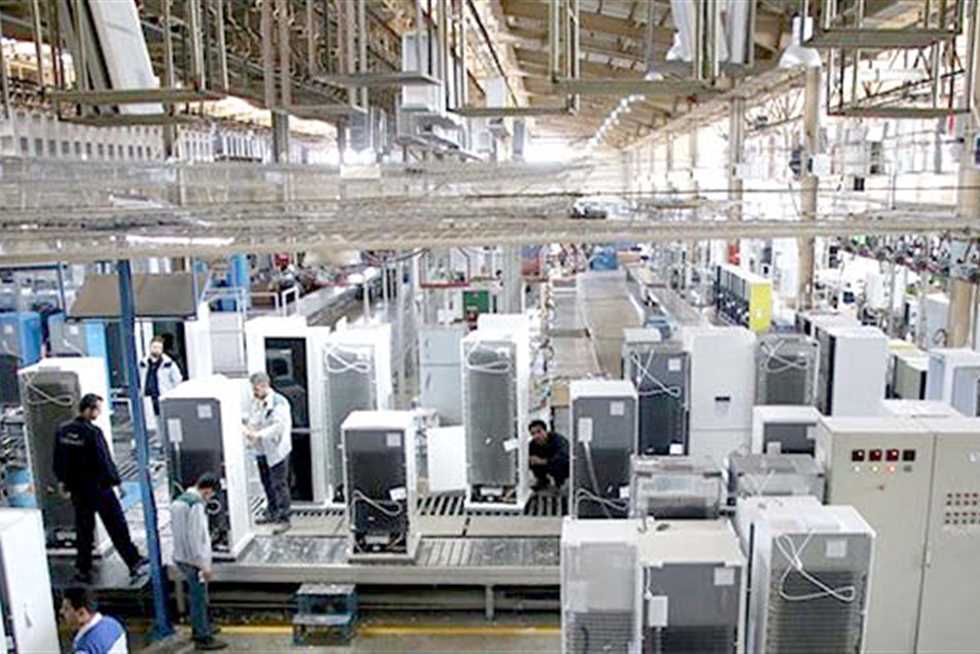
The industrial sector stands to be a primary beneficiary of the reduced borrowing costs. According to representatives from the Gamasa Industrial Zone, the cuts provide “direct support…at a critical juncture.” Lower financing costs empower manufacturers to modernize operations, expand capacity, and enhance the competitiveness of Egyptian products both domestically and internationally. Mohamed Adel Hosny,of the Industry Committee at the Egyptian Businessmen’s Association and the Federation of Egyptian Industries,emphasizes this point,stating the decision “reinforces industry as a primary engine of the national economy.”
Crucially, this translates into tangible job creation, particularly for young Egyptians. The ability for companies to upgrade production lines and expand exports will necessitate a skilled workforce, addressing a key national priority. Furthermore, the focus on Small and Medium-sized Enterprises (SMEs) – recognized as a key driver of balanced development – will be amplified by easier access to capital.
Relief and Expansion for the Private Sector
Beyond manufacturing, the private sector as a whole is experiencing a much-needed reprieve. Amr Fotouh, Chairperson of the Entrepreneurship and SMEs Committee at the Egyptian-Lebanese Business Association, describes the rate cut as “a major relief,” encouraging both the expansion of existing projects and the launch of new investments. This sentiment is supported by projections indicating Egypt’s merchandise exports are expected to exceed $50 billion by the end of 2025, a figure that will be further strengthened by eased financing burdens. The increased trade and production will contribute substantially to foreign currency inflows, bolstering Egypt’s economic resilience.
Real Estate sector: An Indirect Stimulus and Future Growth
The real estate sector is experiencing a positive, albeit indirect, stimulus. Urban planning expert Mohamed Mostafa El-Qady highlights how extended payment plans offered by developers effectively function as price reductions.Moreover, the maturity of high-yield savings certificates is anticipated to redirect savings towards property investments in 2026, potentially driving demand and prices higher in the latter half of the year.
Abeer Essam El-Din, Chairwoman of the Arab Council for Businesswomen, reinforces this outlook, noting that the easing monetary policies particularly support smaller developers. The declining returns on savings certificates further enhance the appeal of real estate as a stable store of value, signaling potential for robust sales and sector growth in the coming year.
Positive Tax Implications and Continued Optimism
The benefits extend beyond direct sectoral impacts. Lower financing costs will alleviate pressure on industrial and agricultural companies, stimulating economic activity and indirectly contributing to higher and more sustainable tax revenues. This virtuous cycle reinforces investor confidence and creates a more favorable environment for long-term growth.
Though, a note of caution remains. Mohamed Saada, secretary-General of the Federation of Egyptian Chambers of Commerce, rightly points out that interest rates, while decreasing, remain relatively high and require further reductions to achieve a “full financing breakthrough.” He anticipates the full impact of the cuts will become more evident over the next two months,with relative price stability,improved purchasing power,and stronger economic momentum. Sectors like automotive, real estate, and food are expected to be at the forefront of this positive trend, alongside increased investment inflows.
Looking Ahead: A Foundation for Sustainable Growth
Egypt’s interest rate cuts are not merely a reactive measure to declining inflation; they represent a proactive strategy to unlock the nation’s economic potential. By fostering a more favorable environment for investment, innovation, and job creation, these policies lay the foundation for sustainable and inclusive growth. Continued coordination between monetary and fiscal policies, as emphasized by industry leaders, will be crucial to


