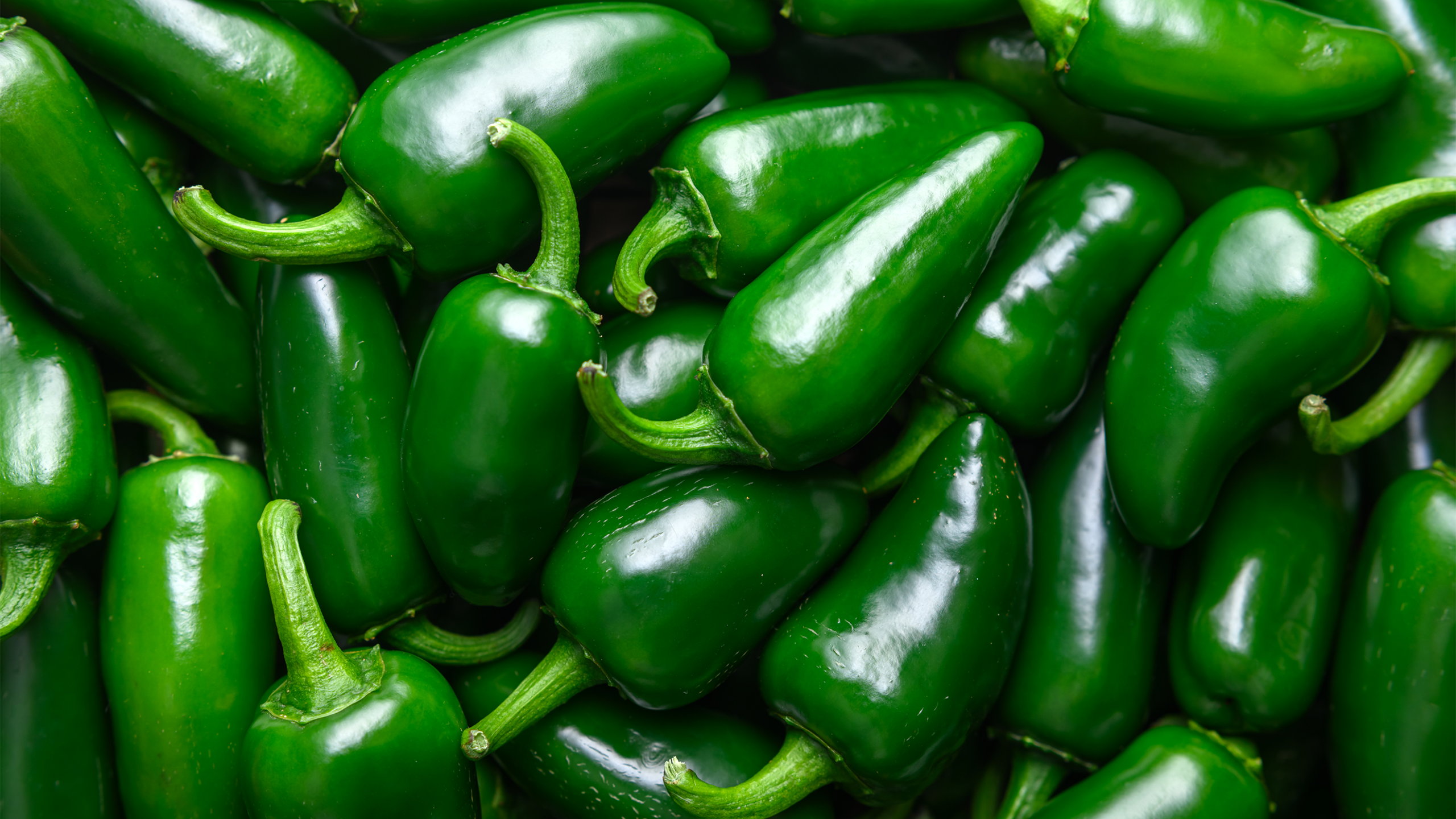
Federal health authorities are tracking a multistate outbreak of Salmonella infections linked to fresh jalapeño peppers, prompting an ongoing safety investigation across multiple jurisdictions. The U.S. Centers for Disease Control and Prevention, alongside the U.S. Food and Drug Administration and state public health partners, are working to trace the source of the contaminated produce and identify specific distributors or farms tied to the illnesses.
Public health officials have not yet issued a mandatory recall, but investigators are urging consumers, restaurants, and retailers to exercise caution when handling and consuming fresh jalapeños. Epidemiological data gathered by the CDC indicates that multiple people have fallen ill after consuming the peppers, with several patients requiring hospitalization.
Understanding the scope of this foodborne illness investigation requires a close look at how federal agencies track outbreaks, who faces the highest risk of severe complications, and what steps consumers can take to protect themselves while authorities trace the supply chain.
How Federal Agencies Track and Investigate Salmonella Outbreaks
When a foodborne outbreak occurs, public health laboratories use advanced molecular detection tools, including whole genome sequencing, to analyze bacteria samples collected from sick individuals. According to the U.S. Centers for Disease Control and Prevention, this genetic fingerprinting allows scientists to link seemingly unrelated illnesses across different states to a common food vehicle.
State and local health departments interview affected individuals about what they ate and where they shopped in the week before becoming ill. When multiple patients report eating the same specific food item—in this case, fresh jalapeños—statisticians and epidemiologists compare the cluster against baseline illness rates to confirm a statistical link.
Once a food item is identified as the likely source, the U.S. Food and Drug Administration works backward through the distribution chain. Investigators examine supply chain records, shipping manifests, and invoice logs to trace the contaminated produce from grocery stores and restaurants back to processing facilities, wholesalers, and farms.
Symptoms and Vulnerable Populations
Salmonella bacteria cause an infection called salmonellosis, which typically manifests within six hours to six days after consuming contaminated food or water. Common symptoms include diarrhea, fever, and abdominal cramps that can last for up to a week.
While most healthy individuals recover without specific medical treatment within four to seven days, certain groups face a significantly higher risk of severe illness. According to public health guidance, infants, older adults, pregnant individuals, and people with weakened immune systems—such as those undergoing chemotherapy or managing chronic conditions—are more likely to develop invasive infections that spread from the intestines to the bloodstream.
When severe dehydration or invasive bloodstream infections occur, patients often require hospitalization and intravenous antibiotic therapy. Anyone experiencing high fevers, bloody stools, or persistent vomiting that prevents fluid retention is advised to contact a healthcare provider promptly.
Practical Safety Measures for Consumers and Food Handlers
Because fresh jalapeños are frequently consumed raw in salsas, pico de gallo, and garnishes, eliminating the risk entirely requires careful handling and preparation practices. Thorough washing under running water can remove some surface dirt and bacteria, though produce with rough or porous skins like peppers can harbor pathogens in microscopic crevices.
Food safety experts recommend several key precautions for home kitchens and commercial food service establishments:
- Wash hands thoroughly with soap and water for at least 20 seconds before and after handling raw produce.
- Use separate cutting boards, knives, and utensils for fresh produce to prevent cross-contamination from raw meat, poultry, or seafood.
- Sanitize kitchen counters, cutting boards, and utensils with a solution of chlorine bleach or commercial sanitizer after preparation.
- Refrigerate cut, peeled, or cooked jalapeños within two hours to slow bacterial growth.
Consumers who are uncertain about the origin of fresh peppers in their possession, or those at high risk for severe foodborne illness, may choose to cook jalapeños thoroughly or avoid consuming them raw until federal investigations conclude.
Next Steps in the Investigation
Federal and state health officials continue to interview newly reported patients and analyze traceback data to pinpoint the exact farms or distribution hubs responsible for the contamination. The CDC and FDA intend to release updated advisories, including specific brand names or retail distribution details, as soon as verifiable supply chain evidence confirms the source of the outbreak. Readers can monitor official updates directly through the CDC Food Safety Outbreaks page.
We welcome your thoughts and questions on this developing health story. Please share this article with your network or join the discussion in the comments below.
Related reading