
Public health officials are maintaining a high level of vigilance in Southern Florida as the Centers for Disease Control and Prevention (CDC) continues to coordinate with state authorities to investigate cases of locally transmitted Zika virus infection in Miami-Dade County. For residents and international travelers, understanding the current risk levels and prevention strategies is essential to mitigating the impact of this mosquito-borne illness.
Miami-Dade County is currently designated as a Zika cautionary area, often referred to as a “yellow area.” Although the specific level of risk remains unknown, health authorities emphasize that there is a persistent risk to pregnant women. Because Zika virus can spread through mosquitoes, sexual contact, or from an infected mother to a fetus, the guidance focuses heavily on protecting the most vulnerable populations to prevent serious birth defects.
As a physician and health journalist, I have seen how the intersection of environmental factors and public health policy can shift rapidly. In the case of Miami-Dade, the focus is not merely on clinical treatment but on aggressive prevention. The Florida Department of Health has established dedicated resources, including a 24/7 information hotline at 855-622-6735, to ensure that both residents and visitors have immediate access to guidance.
The current situation underscores the importance of “drain and cover” initiatives—a community-wide effort to eliminate standing water where mosquitoes breed. By combining individual protection with systemic environmental controls, health officials aim to curb the local transmission of the virus and protect fetal development.
Understanding Zika Transmission and Health Risks
Zika virus is a complex infectious agent that primarily spreads through the bite of infected Aedes species mosquitoes. Although, the CDC notes that the virus can also be transmitted through sex or passed from a pregnant woman to her fetus. This multi-modal transmission makes the virus particularly challenging to contain in densely populated urban areas like Miami.
For the general population, Zika often manifests as mild symptoms or may be entirely asymptomatic. However, the clinical stakes are significantly higher during pregnancy. Infection during this period can lead to Congenital Zika Syndrome and other serious birth defects. Because of these risks, the CDC and Florida health officials advise pregnant women to take rigorous precautions when living in or visiting Miami-Dade County.
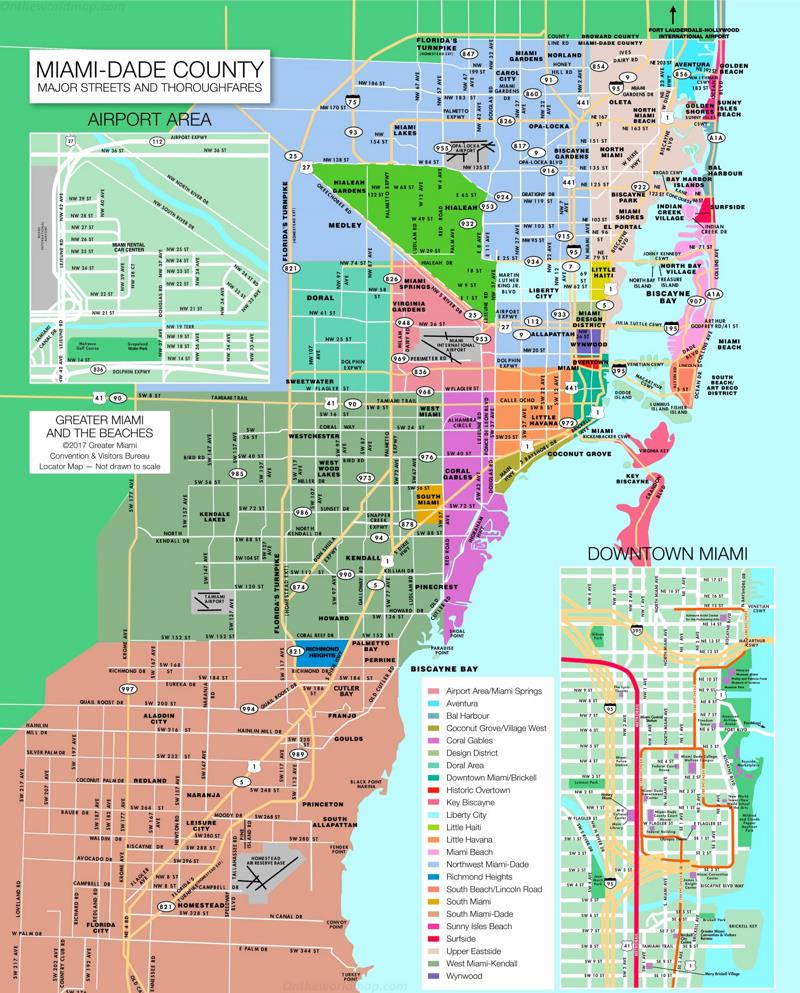
To manage these risks, the Florida Department of Health has streamlined the testing process. Pregnant women who have traveled to any area of Miami-Dade County after August 1, 2016, are encouraged to be tested for the virus in accordance with CDC guidance. Testing is available at County Health Department (CHD) locations, such as 18255 Homestead Avenue and 1350 NW 14th Street in Miami, where services are offered from 8:30 am to 3:00 pm without an appointment.
Preventative Measures for High-Risk Individuals
The primary defense against Zika is the prevention of mosquito bites. Health authorities recommend a multi-layered approach to protection, particularly for pregnant women and those planning to travel to the tropics. This includes the consistent use of insect repellent and wearing clothing that covers the arms and legs.
Environmental management is equally critical. Residents are urged to drain and cover standing water—such as in buckets, tires, or flowerpots—to remove breeding grounds for mosquitoes. Using air conditioning when available can reduce the likelihood of mosquito exposure indoors.
Beyond mosquito control, sexual transmission prevention is a key component of the current health guidance. The Florida Healthy Start Coalition of Miami-Dade advises that pregnant women who live in or have traveled to Miami-Dade County, as well as men who have a pregnant sex partner, should use condoms during sex or abstain from sex entirely during pregnancy to prevent the spread of the virus.
Quick Guide to Zika Prevention
- Personal Protection: Use EPA-registered insect repellents and wear long-sleeved clothing.
- Home Maintenance: Regularly empty and cover containers that hold standing water.
- Travel Precautions: Pregnant women should consider postponing travel to all areas of Miami-Dade County.
- Sexual Health: Use condoms or abstain from sex if you or your partner have been in a risk area.
Navigating Testing and Clinical Support
For those seeking diagnosis or monitoring, the Florida Department of Health in Miami-Dade County provides specific pathways for testing. Those who are symptomatic and have traveled to or had sex with a traveler from a risk area are encouraged to get tested. For pregnant women, the process is designed to be accessible, requiring only a picture ID and the contact information for their OB/GYN.
Healthcare providers are also given specific tools to manage these cases. The Florida Department of Health provides Zika testing and referral process maps to ensure that patients are moved efficiently from screening to specialized care. Clinical guidelines from the CDC help providers monitor pregnant women who may have been exposed, ensuring that fetal development is tracked closely.
For those planning international travel, the Florida Department of Health offers specific “Mosquito Bite Protection for Overseas Travelers” resources. Because Zika is a nationally notifiable disease in the United States, suspected cases are reported to health departments to help the CDC track the geographic spread and identify active risk areas.
Key Takeaways for the Public
- Miami-Dade County is currently a “yellow” cautionary area for Zika virus.
- The highest risk is associated with pregnancy, potentially leading to serious birth defects.
- Prevention focuses on “drain and cover” for standing water and the use of insect repellent.
- Sexual transmission is a verified risk; condoms or abstinence are recommended for those with pregnant partners in risk areas.
- Free testing is available for pregnant women at designated Miami-Dade County Health Department locations.
The ongoing investigation into local transmission in Miami-Dade County remains a priority for the CDC and Florida health officials. Residents are encouraged to stay updated via the Florida Department of Health in Miami-Dade County website for the latest advisories and mosquito-borne illness updates.
We will continue to monitor official reports from the CDC and the Florida Department of Health for any changes in the risk designation or new clinical guidance. If you have questions about your specific risk level, please contact your healthcare provider or the Zika information hotline.
Do you have questions about traveling to Florida or managing mosquito-borne risks? Share your thoughts in the comments below.
Related reading