
As the international community monitors the evolving situation surrounding the hantavirus outbreak linked to the M/V Hondius cruise ship, public health authorities are working to balance clinical management with the safe return of passengers. The incident, which began in April 2026, has prompted a coordinated response involving multiple nations and specialized medical teams to address the risks associated with the Andes virus, a rare but serious pathogen identified in connection with the vessel.
For those closely following the situation, it is critical to distinguish between standard cruise-related health concerns and the specific challenges posed by this viral outbreak. The M/V Hondius, a Dutch-flagged vessel, became the focus of intense epidemiological scrutiny after passengers began exhibiting symptoms consistent with Hantavirus Pulmonary Syndrome (HPS). According to publicly documented timelines of the outbreak, the situation saw a rapid escalation throughout April and early May 2026, leading to a complex evacuation process.
Understanding the Andes Virus and Transmission Risks
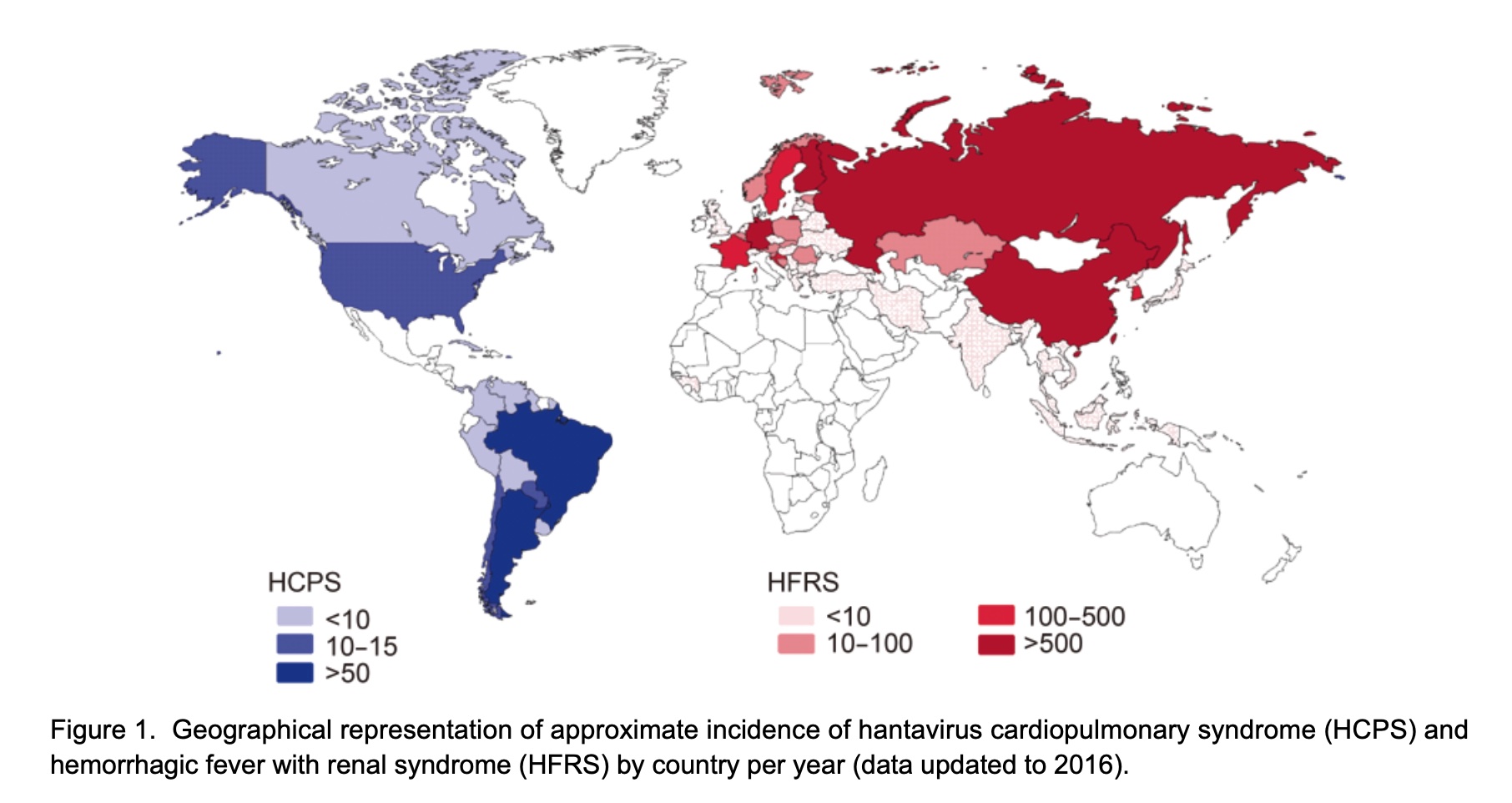
The Andes virus is unique among hantaviruses due to its documented ability to spread through human-to-human contact. While many hantaviruses are typically transmitted to humans through contact with the urine, droppings, or saliva of infected rodents, the Andes variant presents a different challenge in confined settings. Medical experts emphasize that the risk of a widespread epidemic remains low, as transmission historically requires close, sustained contact between individuals, potentially via airborne particles.
In the context of the M/V Hondius, the health authorities have prioritized identifying individuals at risk and establishing rigorous monitoring protocols. The U.S. Government has been actively managing the repatriation of American passengers, ensuring they receive appropriate medical oversight upon their return. This includes the deployment of epidemiologists to assess individual exposure risks and provide ongoing medical monitoring to prevent further spread of the virus.
The Repatriation and Medical Response Strategy
The evacuation of passengers from the M/V Hondius involved significant logistical coordination. By early May 2026, the ship had navigated toward the Canary Islands, where international health teams were positioned to facilitate safe disembarkation. American passengers were scheduled for transport via medical repatriation flights to specialized facilities, such as the National Quarantine Center at the University of Nebraska, Omaha, for further evaluation and care.
The clinical approach for those affected focuses on early detection and supportive care, as there is no specific cure for the virus. Health departments at the state and local levels have been provided with resources to assist in the monitoring of returning travelers. This tiered approach—ranging from on-site epidemiological assessment at the port of arrival to long-term observation in specialized medical centers—is designed to manage the health outcomes of the passengers while protecting the broader public health landscape.
Key Considerations for Public Health Monitoring
- Human-to-Human Transmission: Unlike other hantaviruses, the Andes virus can be transmitted between people, necessitating strict isolation and contact tracing protocols.
- Clinical Vigilance: Medical providers are advised to remain alert for symptoms of Hantavirus Pulmonary Syndrome in individuals with a travel history associated with the affected vessel.
- International Collaboration: The response has required seamless communication between the ship’s operators, local health authorities in ports of call, and national public health agencies to ensure consistent guidance.
Moving Forward: What Happens Next
As of mid-May 2026, the primary focus has shifted from containment on the vessel to the ongoing monitoring of disembarked passengers. The CDC continues to coordinate with international partners to update health guidance as new information becomes available. For passengers and their families, the priority remains the completion of quarantine periods and the management of any remaining clinical concerns.

Public health officials have reiterated that the risk to the general American public remains extremely low. The situation serves as a critical case study in the importance of rapid international cooperation when dealing with emerging infectious diseases in travel and maritime environments. Continued updates regarding clinical outcomes and final quarantine clearances will be managed through official government health channels as the situation concludes.
We will continue to monitor the situation as further information becomes available from official health agencies. If you have questions regarding the health protocols for travelers, please consult the latest advisories from your national health ministry or the World Health Organization. We welcome your thoughts on how international travel health policies can better address these challenges; please share your comments below.
Worth a look