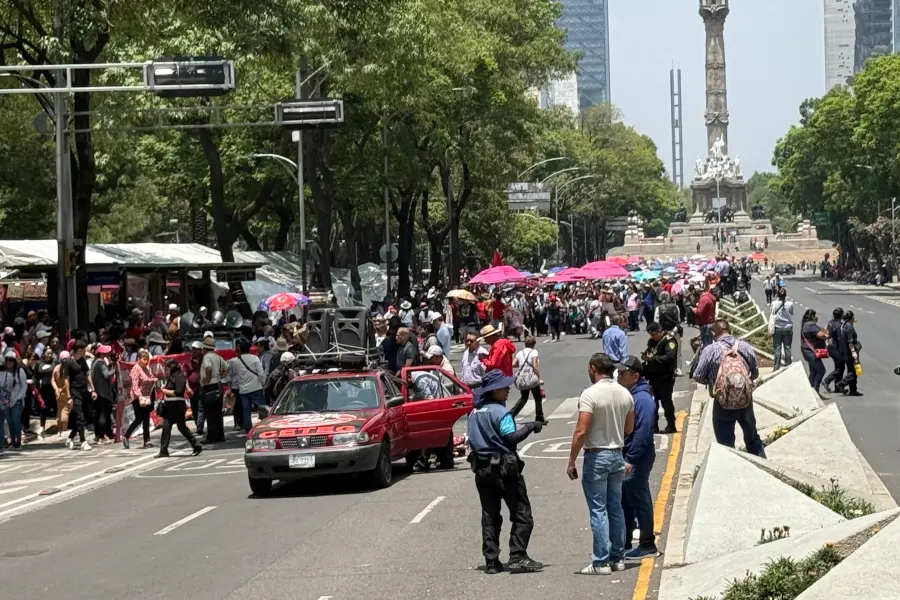
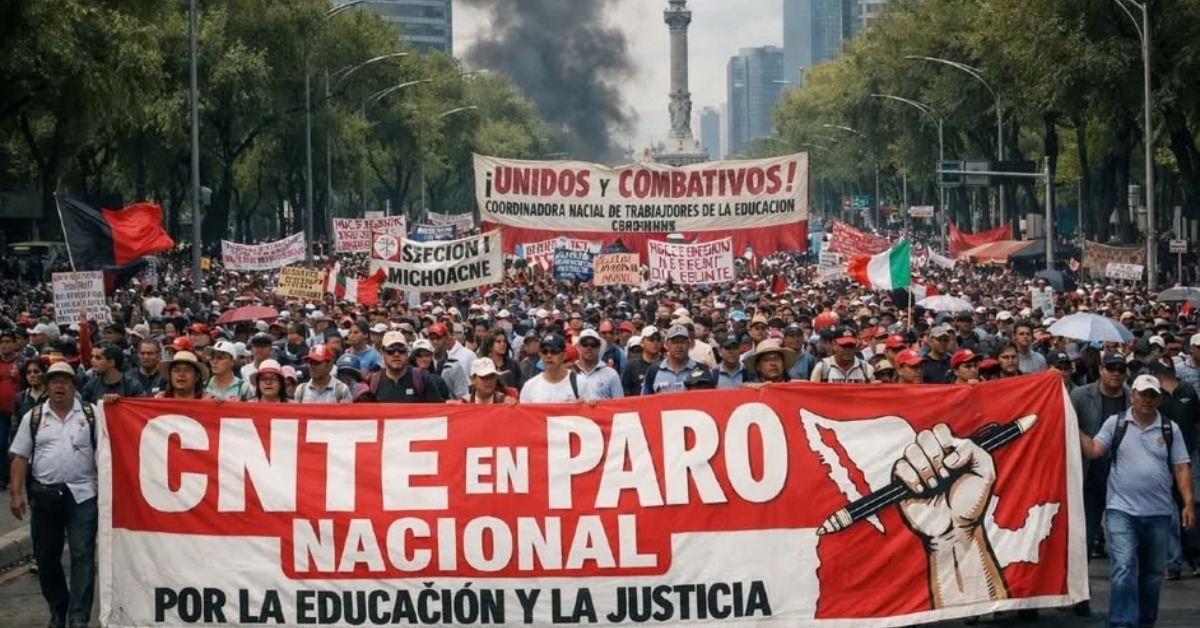
Mexico City’s streets are gridlocked today as four major protests—including the National Education Workers’ Coordinating Committee (CNTE)—clog key arteries, forcing authorities to close 12 major avenues and reroute public transport. Commuters report delays of up to four hours, while the city’s transit agency has suspended 17 bus routes and activated emergency services to manage overflow at metro stations. The CNTE’s demonstration alone is expected to draw over 50,000 participants, according to labor union leaders, while other marches advocate for climate action, women’s rights, and anti-corruption reforms.
By mid-morning, live traffic data from the Mexico City government’s military traffic monitoring system showed congestion levels exceeding 90% on Paseo de la Reforma, Avenida Juárez, and Boulevard Miguel Alemán. The city’s public transport authority, STCM, has issued warnings urging users to avoid affected lines, including the 1, 2, 3, 5, and 6 metro routes, which intersect with protest zones.
This disruption comes as part of a broader pattern of protest-related traffic chaos in Mexico City, where similar events in May led to a 20% increase in public transport delays and forced the city to deploy 3,000 additional police officers for crowd control. Authorities have not yet confirmed whether today’s protests will escalate into clashes, but past demonstrations by the CNTE have resulted in occasional confrontations with police, including the use of tear gas in 2022.
Live updates from Mexico City authorities:
🚨 #CDMX AVISO: Hoy 23 de junio se prevén 4 marchas con bloqueos en avenidas principales. Alternativas viales activadas. Evita zonas de Reforma, Juárez y Miguel Alemán. Consulta @STCMCdmx para rutas en tiempo real. pic.twitter.com/5WqZvX7Y8T
— Gobierno CDMX (@GobCDMX) June 23, 2024
Key Takeaways:
- Four protests are underway, with the CNTE’s march drawing the largest crowd (estimated 50,000+ participants).
- 12 major avenues closed, including Paseo de la Reforma and Avenida Juárez, with alternative routes posted on the military’s traffic portal.
- Public transport disruptions: 17 bus routes suspended; metro lines 1, 2, 3, 5, and 6 operating with delays.
- Safety measures: Police presence increased to 3,500 officers; emergency medical units deployed near protest zones.
- Next checkpoint: Authorities will hold a press conference at 18:00 local time to assess traffic recovery and potential overnight restrictions.
Why Is Mexico City Experiencing Traffic Chaos Today?
Today’s gridlock stems from four simultaneous protests, each with distinct demands but converging on central avenues. The most significant is the CNTE’s nationwide teachers’ strike, which has paralyzed education in 18 states and drawn thousands of union members to Mexico City. Other marches include:
- A climate action demonstration organized by youth groups, demanding faster renewable energy policies. Fridays for Future Mexico estimates 20,000 participants.
- An anti-corruption protest led by civil society groups, calling for the resignation of state officials involved in recent graft scandals.
- A women’s rights march under the banner #NiUnaMenos, with routes intersecting the CNTE’s path near the Zócalo.
According to Reuters’ traffic impact assessment, the overlap of these events has created a “perfect storm” of congestion. “Normally, we see one or two marches at a time,” said Carlos Mendoza, director of the Mexico City Traffic Institute. “Today, the timing and routes were deliberately chosen to maximize disruption.”
Which Areas Are Closed, and What Are the Alternatives?
The Mexico City government has published a list of 12 closed avenues, with rerouting instructions for drivers. Key closures include:
- Paseo de la Reforma (from Chapultepec to Reforma-Álvaro Obregón): Alternative: Use Calzada de Tlalpan or Avenida Cuauhtémoc.
- Avenida Juárez (from Zócalo to Insurgentes): Alternative: Boulevard Adolfo Ruiz Cortines or Avenida Nuevo León.
- Boulevard Miguel Alemán (from Periférico to Reforma): Alternative: Avenida de los Insurgentes or Calzada de Guadalupe.
- Eje Central Lázaro Cárdenas (from Zócalo to Santa Fe): Alternative: Avenida México-Puebla or Calzada de los Héroes.
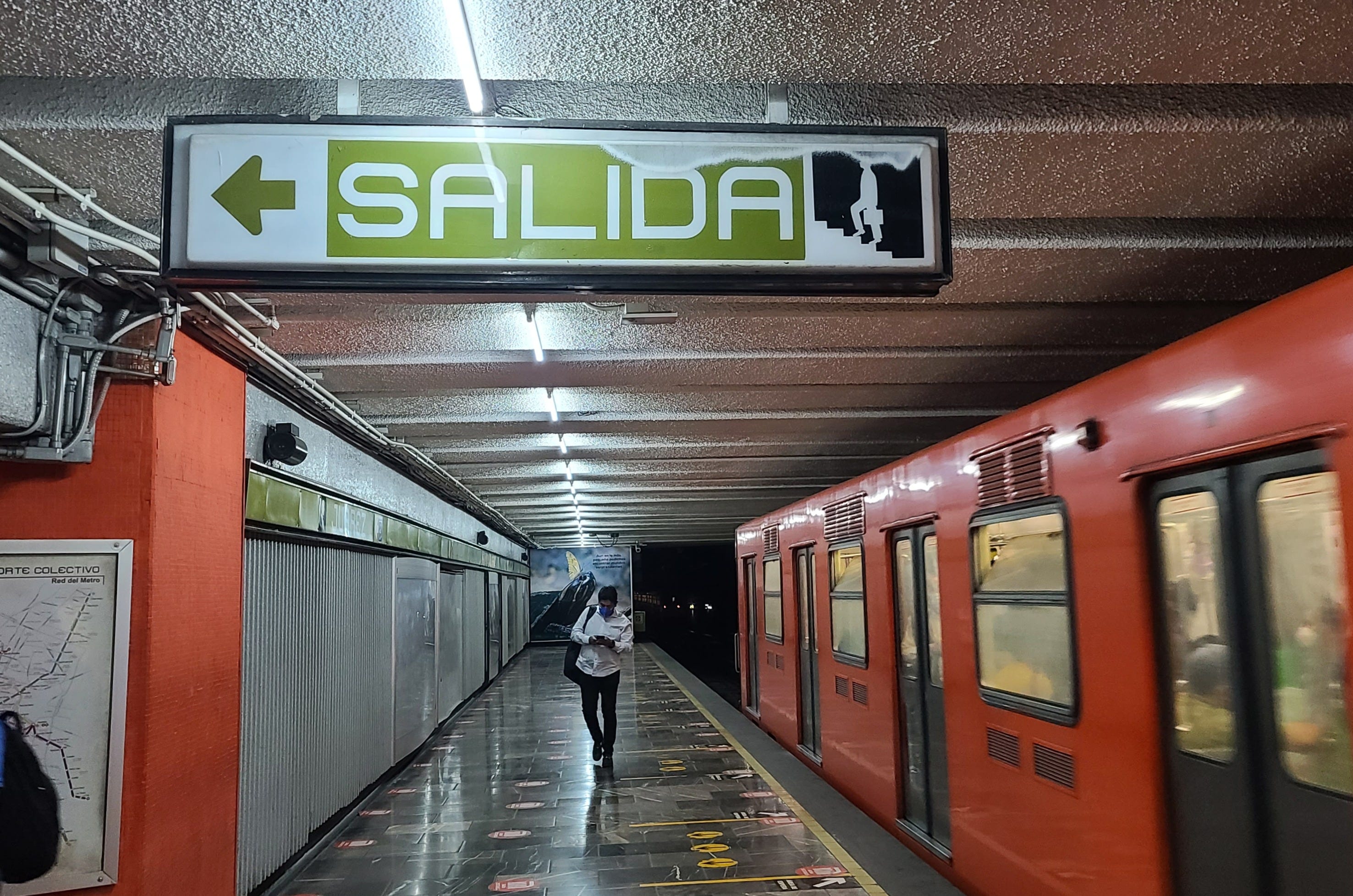
Public transport users are advised to avoid the following metro lines due to overcrowding:
- Line 1 (Pantitlán–Observatorio)
- Line 2 (Tasqueña–Cuatro Caminos)
- Line 3 (Indios Verdes–Universidad)
- Line 5 (Pantitlán–Politécnico)
- Line 6 (Martín Carrera–El Rosario)
The STCM has activated express shuttle services on Lines 4 and 7 to bypass protest zones. However, delays of up to 90 minutes are reported on these routes as well.
How Are Authorities Responding to the Traffic Crisis?
Mexico City’s emergency response includes:
- 3,500 additional police officers deployed to manage crowds and prevent blockades, according to the city’s security report.
- 12 emergency medical units stationed near the Zócalo, Reforma, and Juárez, with Red Cross volunteers treating minor injuries related to overcrowding.
- Dynamic traffic rerouting: The military’s real-time traffic portal is updating routes hourly based on protest movement.
- Public transport subsidies: The STCM has extended free rides on all bus and metro lines until 20:00 local time for affected commuters.
Despite these measures, Carlos Ramírez, a commuter who reached his office in Polanco via Uber, told El Universal: “I paid triple the usual fare, and even then, the driver had to take three detours. The city should have closed the Periférico earlier.”
What Happens Next? Protest Timeline and Traffic Recovery
The protests are expected to conclude by 18:00 local time, with most marches dispersing after reaching their designated rally points. However, authorities anticipate overnight traffic disruptions due to:
- Debris and barriers left on closed avenues, which will require cleanup crews until 02:00.
- Metro line repairs: Lines 1 and 6 may operate with reduced frequency until morning.
- Potential counter-protests: Right-wing groups have announced smaller gatherings near the Zócalo, which could extend tensions.
The next official update will come from a press conference at 18:00 by Mexico City’s Mobility Secretary, where authorities will announce:
- Whether overnight road closures will be extended.
- Expected recovery time for public transport.
- Any changes to the HOJA ROTA (traffic restriction) system for tomorrow.
FAQ: What Should Commuters and Tourists Do?
Q: Are Uber and Didi still operating?
A: Yes, but surge pricing is active. Drivers report that fares on routes like Reforma–Polanco have increased by 200–300%. The apps are showing estimated wait times of 45–90 minutes for pickups near protest zones.
Q: Is it safe to walk near the Zócalo or Reforma?
A: Authorities advise avoiding these areas unless participating in a protest. The city’s safety alert warns of pickpocketing and minor scuffles in crowded areas. Tourist sites like the Palacio de Bellas Artes remain open but are experiencing long lines.
Q: Will schools and businesses be affected tomorrow?
A: The CNTE has not called for a June 24 strike, but local unions may announce last-minute actions. Businesses in Reforma and Insurgentes are preparing for reduced foot traffic due to lingering traffic issues.
Q: How can I track real-time updates?
A: Use these verified sources:
- Military Traffic Portal (official rerouting)
- STCM Alerts (public transport delays)
- @GobCDMX (official announcements)
- Waze (crowdsourced traffic updates)
Historical Context: Why Protests Disrupt Mexico City’s Traffic
Today’s chaos is part of a long-standing pattern in Mexico City, where protests frequently coincide with traffic restrictions and public transport delays. Key factors include:
- Lack of protest planning coordination: Unlike in cities like Paris or London, Mexico City does not have a centralized protest permitting system, leading to overlapping routes.
- Public transport vulnerabilities: The metro system, which carries 4.5 million daily riders, was designed in the 1960s and lacks the capacity to absorb sudden surges.
- Political tensions: The CNTE’s protests often escalate due to disputes with federal education policies, including the 2023 rejection of a new education reform bill.
In 2022, similar protests led to a 15% drop in GDP for downtown businesses, with restaurants and shops reporting losses of up to $50,000 USD per day. Today’s event underscores the economic cost of political unrest in one of Latin America’s most densely populated cities.
Interactive traffic map (June 23, 2024):
For the latest updates, monitor Mexico City’s official mobility portal and @STCMCdmx for real-time alerts. If you’re affected by today’s disruptions, share your experiences in the comments—or help others navigate the chaos by posting verified updates on social media with #CDMXTraffic23Jun.
Next checkpoint: Mexico City’s Mobility Secretary will hold a press conference at 18:00 local time to assess traffic recovery and announce any overnight restrictions. Updates will be posted on the official press portal.
Worth a look