
The European Commission has granted marketing authorization for a subcutaneous formulation of Sarclisa (isatuximab), a significant development for patients diagnosed with multiple myeloma. This regulatory decision marks the first time a subcutaneous version of this monoclonal antibody has been approved for use within the European Union, offering a potentially more flexible administration process compared to the previously authorized intravenous delivery method. According to the European Medicines Agency (EMA), this change aims to reduce the time patients spend in clinical settings for their oncology treatments.
As a physician, I frequently discuss the burden of time-intensive hospital visits with my patients. For those managing complex conditions like multiple myeloma, the shift toward subcutaneous administration—where the medication is injected into the tissue layer between the skin and muscle—represents a meaningful evolution in therapeutic delivery. By moving away from the hours-long infusions required by the intravenous route, patients may see a reduction in the logistical challenges often associated with chronic cancer care.
Understanding the Shift to Subcutaneous Administration
Sarclisa is designed to target the CD38 receptor, a protein highly expressed on the surface of multiple myeloma cells. By binding to this receptor, the medication triggers the patient’s immune system to attack the malignant cells. While the intravenous formulation has been a standard part of care, the new subcutaneous version is intended to be administered by a healthcare professional over a much shorter duration. The European Medicines Agency noted in its summary of the product characteristics that this shift is supported by clinical data demonstrating that the subcutaneous route maintains comparable efficacy and safety profiles to the intravenous method.
This transition is not merely about convenience; it is about optimizing the patient experience within the healthcare ecosystem. In clinical practice, the ability to administer a life-extending therapy in a shorter window allows for better resource management in oncology wards and, more importantly, allows patients to reclaim time previously spent tethered to an IV drip. The approval follows a rigorous review process by the Committee for Medicinal Products for Human Use (CHMP), which assessed the efficacy, safety, and quality of the new formulation before providing a positive opinion to the European Commission.
Impact on Patient Care and Clinical Practice
For patients, the primary benefit of a subcutaneous injection is the reduction in infusion-related reactions and the total time spent in the hospital. The intravenous administration of monoclonal antibodies requires careful, slow titration to monitor for potential reactions, which can take several hours per session. A subcutaneous delivery, while still requiring professional administration, is significantly faster. According to the EMA regulatory documentation, this approval covers specific combinations of Sarclisa with other established therapies, ensuring that the new delivery method fits into existing treatment protocols for relapsed or refractory multiple myeloma.
It is important to note that while this approval broadens the options for treatment, it remains a prescription-only therapy that must be managed by specialists. Patients currently undergoing treatment should consult their hematologist or oncologist to determine if a transition to the subcutaneous formulation is appropriate for their specific clinical circumstances. The integration of this delivery method into routine care will likely occur in stages as hospitals and specialized cancer centers update their administrative protocols and training for nursing staff.
Looking Ahead: Implementation and Access
The authorization from the European Commission applies to all EU member states, though the timeline for when the subcutaneous formulation becomes available in individual clinics will vary based on national health policies and local reimbursement agreements. In many European healthcare systems, the introduction of a new delivery method for an existing drug requires a local assessment of cost-effectiveness and organizational logistics. Patients are encouraged to monitor updates from their national health authorities or their primary oncology provider regarding local availability.
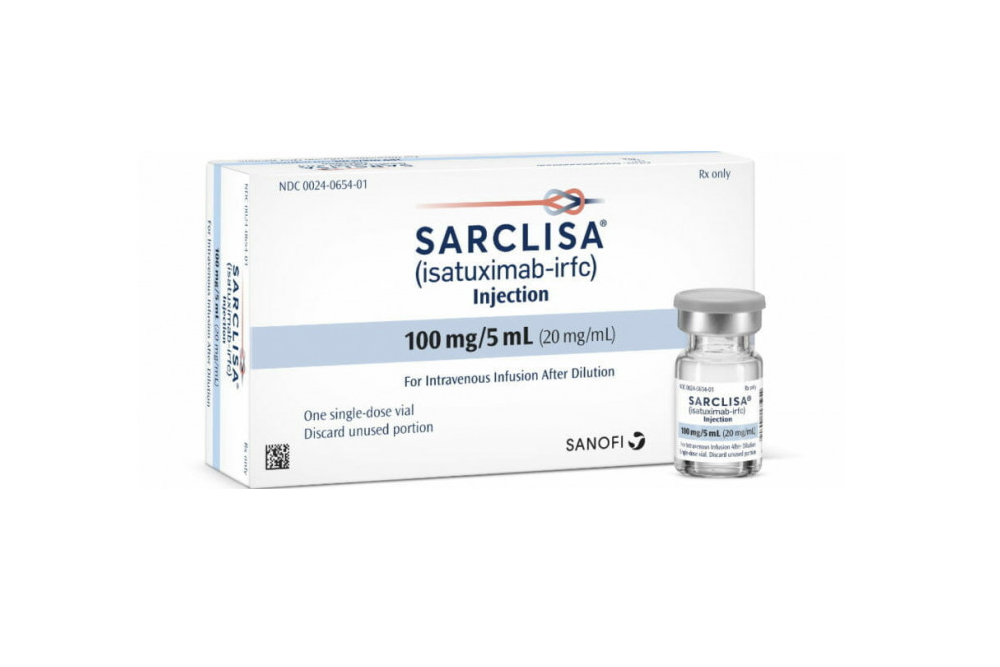
The regulatory approval of this subcutaneous formulation reflects a broader trend in oncology: the move toward treatments that are not only effective in controlling disease progression but are also designed to be less intrusive for the patient. By refining how we deliver these complex molecules, we are continuing to improve the quality of life for those living with multiple myeloma. If you have questions about how these changes might impact your current treatment plan, I encourage you to speak with your care team during your next scheduled appointment. We will continue to track the rollout of this formulation as it becomes accessible across the continent.