Teh Enduring Legacy of Cecilia Giménez: From Viral Restoration to Unexpected Tourism Boost
The world of art restoration - and internet culture – mourns the passing of cecilia Giménez Zueco, the Spanish amateur artist whose well-intentioned, yet dramatically altered, restoration of a 1930s fresco of Jesus Christ, Ecce Homo, captivated and divided the globe. giménez Zueco died at the age of 94 in her hometown of Borja, Zaragoza, leaving behind a legacy far beyond the initial controversy. But what began as a perceived “fiasco” ultimately transformed a small Spanish town and sparked a wider conversation about art, preservation, and the power of the internet.
The Restoration That Launched a Thousand Memes
In 2012, Cecilia Giménez, a local resident with no formal art restoration training, took it upon herself to restore Ecce Homo, a devotional fresco in the Sanctuary of misericordia church. The painting, a typical example of early 20th-century Spanish folk art, was showing signs of deterioration. Unfortunately, her efforts, using readily available materials and a determined spirit, resulted in a substantially altered image.
The resulting artwork, often likened to a monkey or a distorted figure, quickly went viral. Social media exploded with reactions, memes, and jokes. The hashtag #eccemono emerged, and a dedicated Twitter account gained a substantial following. while many initially condemned the restoration as a disaster, the story’s reach was undeniable.
From Criticism to Cultural Phenomenon: The Borja Effect
What’s remarkable is how the narrative shifted. The initial outrage gave way to curiosity,and then,surprisingly,to tourism. The small town of Borja, previously largely unknown outside of Spain, found itself inundated with visitors eager to see the “monkey Christ” firsthand.
* A Tourism Boom: The influx of tourists generated significant revenue for Borja, revitalizing the local economy.
* Media Attention: the story attracted international media coverage, putting Borja on the map.
* Unexpected Benefit: The church, initially distressed by the restoration, ultimately benefited from the increased attention and visitor donations.
This unexpected outcome highlights the unpredictable nature of virality and the power of a compelling story. It also demonstrates how a perceived failure can, in certain specific cases, lead to positive consequences.
Cecilia Giménez: Beyond the Ecce Homo
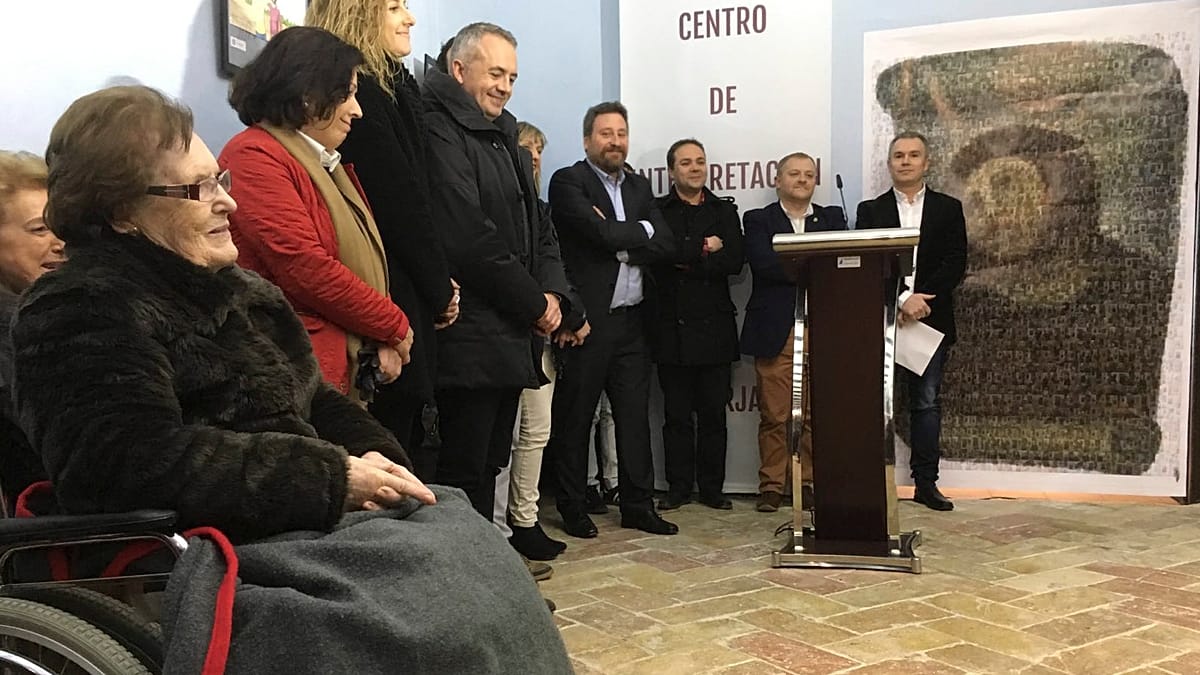
Cecilia Giménez wasn’t simply the woman behind the infamous restoration. She was a passionate artist in her own right. Following the global attention, she embraced her newfound notoriety and even opened an exhibition of her original paintings. This showcased her artistic talent and demonstrated her resilience in the face of criticism.
Her story became a cautionary tale – and a source of inspiration – for aspiring restorers. Subsequent botched restoration attempts are frequently enough referred to as “another Ecce Homo,” solidifying her place in art history, albeit an unconventional one.
The Importance of Professional Art Restoration
The Ecce Homo incident underscored the critical importance of professional art restoration. Restoration is a highly specialized field requiring extensive training, knowledge of materials, and a deep understanding of art history.
Here’s why professional restoration is essential:
* Preservation of Authenticity: Skilled restorers aim to preserve the original artwork’s integrity and authenticity.
* Material Compatibility: They use materials compatible with the original artwork to prevent further damage.
* Ethical Considerations: Professional restorers adhere to strict ethical guidelines, prioritizing conservation over alteration.
organizations like the American Institute for Conservation (AIC) https://www.culturalheritage.org/ provide resources and standards for art conservation professionals.
A town’s Gratitude and a Lasting Memory
The mayor of Borja, Eduardo Arilla, paid tribute to Giménez on Facebook, describing her as one of the town’s most beloved residents. He acknowledged her “infinite generosity” and the positive impact her actions had on Borja. Her legacy extends beyond the altered fresco; she became a symbol of the town’s resilience and adaptability.
Cecilia Giménez Zueco’s story is a unique blend of art, internet culture, and unexpected consequences. It’s a reminder that even in the face of criticism, there can be opportunity, and that sometimes, the most memorable art is born from the most unexpected circumstances.