Boston’s Pride celebrations serve as a significant annual milestone, drawing thousands of participants to the city to advocate for LGBTQ+ rights and commemorate community history. These events, often characterized by parades and public gatherings, function as both a demonstration of social progress and a platform for addressing ongoing challenges faced by the community in Massachusetts and across the United States. According to the Massachusetts government, the state remains a central jurisdiction for LGBTQ+ civil rights, having been the first in the nation to legalize same-sex marriage in 2004.
The act of celebrando el orgullo en Boston—celebrating pride in Boston—is more than a social occasion; it is a structured recognition of civil milestones. For the LGBTQ+ community, these festivities are rooted in the historical context of the Stonewall Uprising and the subsequent push for legal protections. As noted by the National Park Service, the preservation of this history is essential to understanding the evolution of public policy and social acceptance in American urban centers.
The Historical and Legal Context of Boston Pride
Boston has long been a focal point for the LGBTQ+ movement. The legal framework supporting these celebrations is anchored in the Massachusetts Fair Employment Practices Act, which prohibits discrimination based on sexual orientation and gender identity. This legal foundation provides the security necessary for large-scale public demonstrations, allowing organizers to coordinate with the City of Boston to secure permits for parades and public festivals.

When the public gathers for these events, they are participating in a tradition that balances advocacy with communal celebration. The Mayor’s Office for LGBTQ+ Advancement in Boston works throughout the year to ensure that the city’s policies reflect the needs of its diverse population. This office serves as a primary point of contact for community leaders organizing events, ensuring that public safety and logistical requirements are met while maintaining the spirit of the celebration.
Community Impact and Modern Advocacy
Beyond the festive atmosphere, Pride events in Boston are critical venues for community health and social services. Many organizations use these gatherings to provide information on medical resources, legal aid, and mental health support. The Fenway Institute, a research and advocacy organization based in Boston, frequently highlights the importance of these public spaces in reducing social isolation among LGBTQ+ youth and seniors.
The impact of these celebrations extends to the local economy as well. Small businesses and local vendors often report increased engagement during the weeks surrounding the events, demonstrating the economic vitality of the community. However, organizers remain focused on the original mission of the movement: ensuring that the visibility gained during Pride month translates into sustained legislative and social support throughout the remainder of the year.
How to Engage with Official Updates
For those looking to participate or monitor the status of upcoming events, official channels provide the most reliable information. Residents are encouraged to check the City of Boston’s official website for permit announcements, road closures, and safety guidelines issued by the Boston Police Department. These resources are updated regularly to reflect the current status of city-wide gatherings.
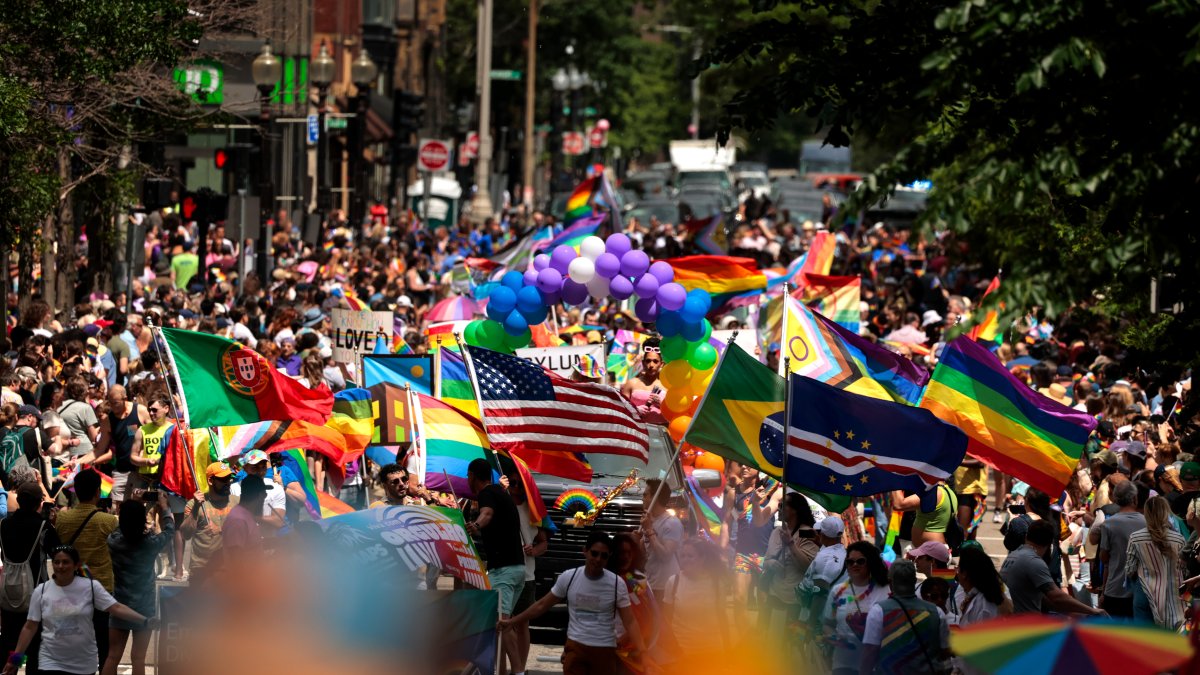
As the city looks toward future observances, the focus remains on inclusivity and the continued protection of civil rights. Whether through public parades or educational workshops, the commitment to acknowledging the importance of the LGBTQ+ community is a defining feature of Boston’s civic life. We invite our readers to share their perspectives on the evolution of these celebrations in the comments section below, and to stay tuned for further updates on community initiatives as they are announced by city officials.
Related reading