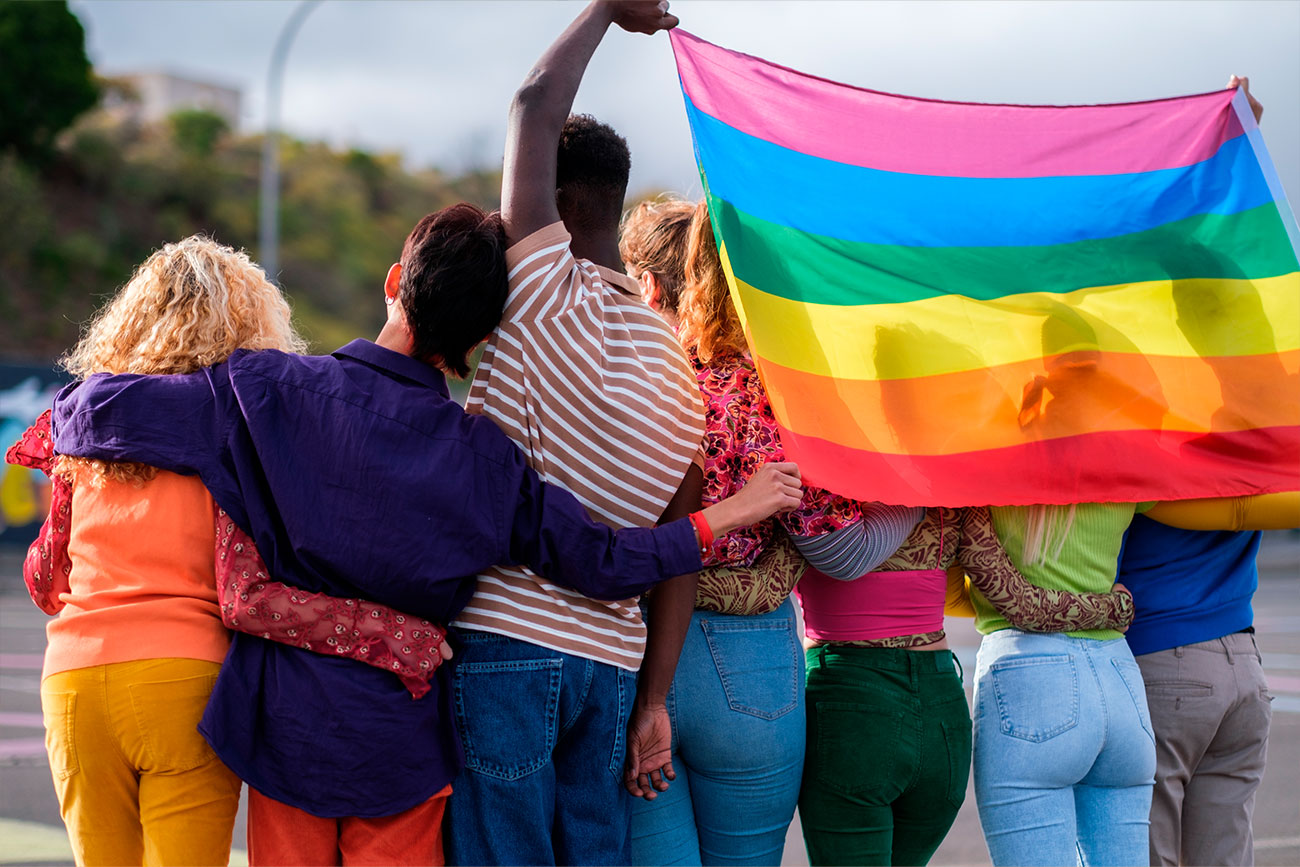
Pride Month, observed every June to commemorate the 1969 Stonewall Uprising, serves as a critical period for universities to evaluate their support for LGBTQ+ students. Institutional commitment to diversity remains a primary factor in student mental health, retention rates, and the creation of safe academic environments.
While many view the month through the lens of public celebrations and parades, higher education institutions increasingly treat the period as a time for structural review. The conversation has shifted from mere visibility to the implementation of concrete policies that protect gender identity and sexual orientation within academic and residential settings.
University administrators and student advocates argue that the necessity of these discussions is tied to the evolving legal and social landscapes. As debates over diversity, equity, and inclusion (DEI) programs intensify globally, the role of the university as a protected space for diverse thought and identity has become a central point of contention in academic governance.
What is the historical significance of Pride Month in academia?
The modern observance of Pride Month traces its roots to the Stonewall Riots in New York City in June 1969. These events marked a turning point in the struggle for LGBTQ+ civil rights, moving the movement from underground spaces into the public eye. Within the context of higher education, this history informs the development of campus organizations and the integration of queer history into academic curricula.
For decades, universities were often sites of exclusion or active suppression of LGBTQ+ identities. However, the late 20th century saw a rise in student-led activism that demanded recognition and safety. According to historical archives of student movements, this activism led to the establishment of the first campus resource centers and the formalization of LGBTQ+ studies as an academic discipline.
Today, the observance serves as a reminder of the gap between legal recognition and lived experience on campus. While many institutions have adopted inclusive language in their handbooks, student organizations often highlight that the struggle for true institutional belonging continues, particularly for those navigating hierarchical academic structures.
How does campus diversity impact student success?
Research indicates a direct correlation between inclusive campus environments and student outcomes. When students feel a sense of belonging, they are more likely to engage in academic activities, participate in campus life, and complete their degrees. This is particularly true for LGBTQ+ students, who often face unique stressors that can impede academic performance.
Mental health remains a primary concern in this area. Data from organizations such as The Trevor Project suggests that LGBTQ+ youth face disproportionately higher rates of anxiety, depression, and suicidal ideation compared to their cisgender and heterosexual peers. For students in university settings, the presence of supportive faculty and peer networks can act as a significant buffer against these mental health challenges.
Beyond mental health, diversity influences the quality of the educational experience itself. A diverse student body encourages a wider range of perspectives in classroom discussions, which is essential for developing critical thinking skills. When curricula include diverse voices and histories, it prepares students for a globalized workforce where cross-cultural competence is a required skill.
Institutional retention rates also fluctuate based on the perceived inclusivity of the campus. Universities that invest in comprehensive DEI initiatives often report higher retention among minority student populations. This includes not only LGBTQ+ students but also students of color and those with disabilities, as the frameworks for inclusion often overlap.
What challenges do LGBTQ+ students face in current academic climates?
The current social and political climate has introduced new complexities for university inclusion efforts. In several regions, legislative actions targeting LGBTQ+ topics in education have created a sense of uncertainty for both students and faculty. These legal shifts can influence how universities approach gender-neutral facilities, healthcare access, and even the teaching of certain historical events.
The tension between academic freedom and inclusive policy is a recurring theme. Some critics argue that DEI mandates infringe upon the freedom of inquiry, while advocates maintain that true academic freedom cannot exist if certain groups are marginalized or silenced. This debate often plays out in university boardrooms and through legal challenges to campus policies.
Safety on campus also remains a multifaceted issue. While physical safety is a priority, “psychological safety”—the ability to express one’s identity without fear of social or academic retribution—is equally vital. Reports from student advocacy groups indicate that microaggressions and exclusionary social climates can be as damaging to the student experience as overt discrimination.
Furthermore, the intersectionality of identity means that challenges are not experienced uniformly. A student who identifies as both Black and transgender, for example, may face compounded forms of discrimination that require more nuanced institutional responses. Universities that rely on “one-size-fits-all” diversity policies often fail to address these overlapping vulnerabilities.
How are universities evolving their inclusion strategies?
To address these ongoing challenges, many institutions are moving toward more holistic inclusion models. This evolution involves several key areas of institutional reform:
- Curricular Reform: Moving beyond “tokenism” by integrating LGBTQ+ perspectives into core subjects such as literature, history, sociology, and science.
- Physical Infrastructure: Increasing the availability of gender-neutral restrooms and ensuring that housing options accommodate diverse gender identities.
- Administrative Policy: Implementing clear, enforceable non-discrimination policies that specifically name sexual orientation and gender identity as protected characteristics.
- Faculty Training: Providing professional development for educators to help them manage inclusive classrooms and support diverse student needs.
These changes are not merely administrative; they represent a shift in the fundamental mission of higher education. By embedding diversity into the institutional fabric, universities aim to create environments where academic excellence and personal identity are not in conflict.
Some universities have also established dedicated offices for LGBTQ+ affairs, staffed by professionals trained in crisis intervention and advocacy. These offices serve as central hubs for student resources, providing everything from legal guidance on identity documentation to support groups for queer students of color.
Frequently Asked Questions
Why is Pride Month specifically relevant to universities?
Universities are centers of social and political development. Pride Month provides a structured opportunity for these institutions to review their policies, celebrate student diversity, and acknowledge the historical role of activism in shaping modern academic freedoms.
Do diversity initiatives affect academic standards?
Most academic research suggests that diversity initiatives do not lower standards but rather expand the scope of inquiry. By bringing more perspectives into the classroom, universities can foster more rigorous and comprehensive intellectual debate.
What is intersectionality in the context of campus diversity?
Intersectionality is the understanding that individuals hold multiple, overlapping identities—such as race, gender, class, and sexual orientation—which interact to create unique experiences of both discrimination and privilege.
How can students advocate for better inclusion on campus?
Students often engage in advocacy through student government, joining established LGBTQ+ organizations, or participating in university-led climate surveys that provide data to administrators regarding the student experience.
As the academic year progresses, many universities are expected to release updated diversity reports and policy reviews. The effectiveness of these initiatives will likely be a key metric for institutional reputation in the coming years.
What are your thoughts on the role of universities in fostering inclusive environments? We invite you to share your perspectives in the comments below and share this article with your network.