Teh Complexities of Boycotts: Drawing Parallels Between Israel, South Africa, and the Fight Against Antisemitism
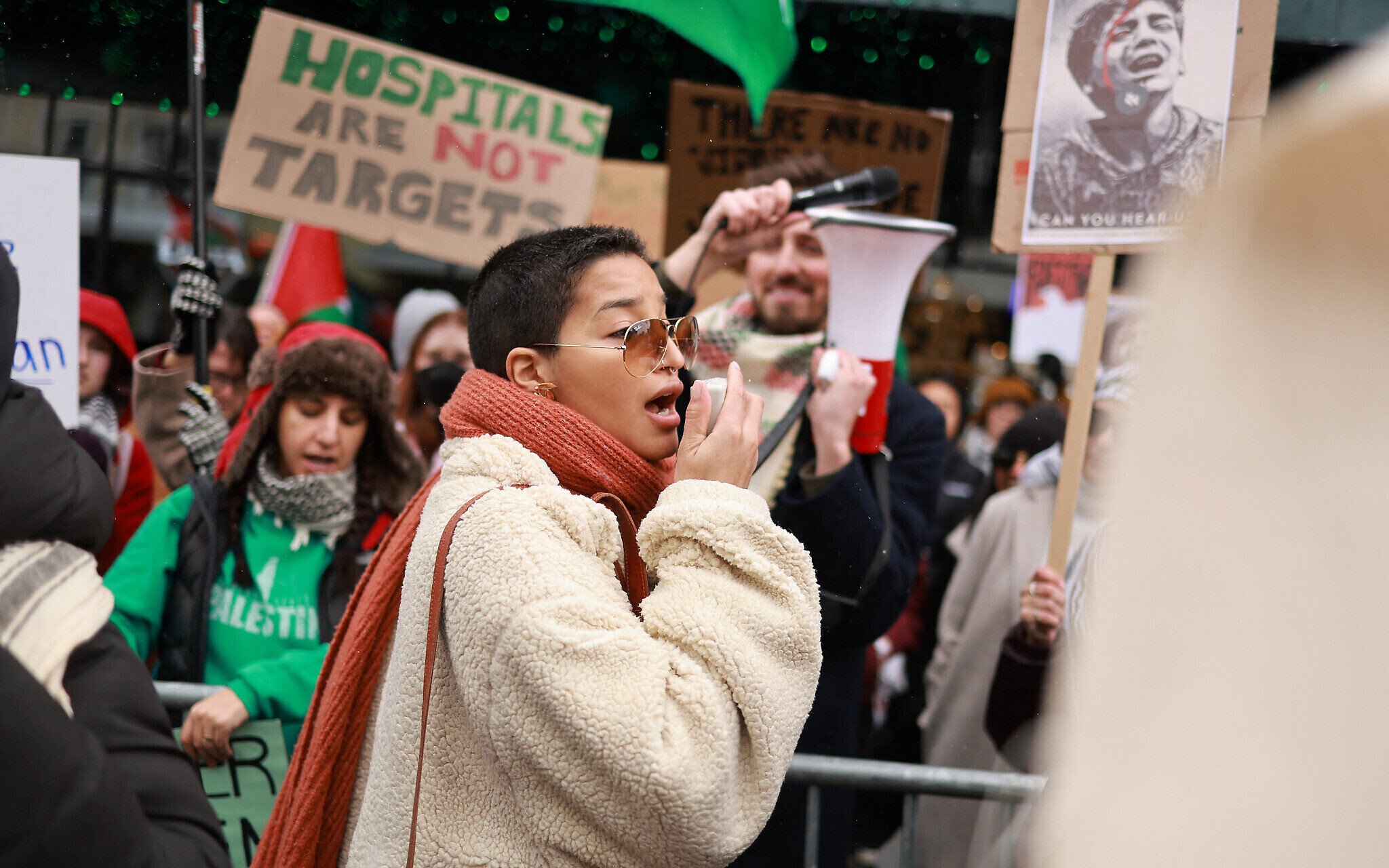
Recent global protests surrounding the conflict in Gaza have ignited a renewed push for Boycott, Divestment, and Sanctions (BDS) against Israel. These campaigns, while aiming to pressure Israel over its actions, are simultaneously raising complex questions about the line between legitimate protest and antisemitism. Understanding this dynamic requires a nuanced look at past precedents, particularly the anti-apartheid movement, and a clear understanding of the concerns surrounding the weaponization of antisemitism accusations.
The Rising Debate: boycotts and Accusations of Antisemitism
A surge in pro-Palestinian activism has been accompanied by a corresponding increase in accusations that targeting Israel is inherently antisemitic. This has created confusion and uncertainty regarding the boundaries of what constitutes antisemitism. Some argue that calls for boycotts are a legitimate form of political expression, while others contend they mask underlying prejudice against Jewish people.
David Feldman, a leading expert in antisemitism studies, highlights this confusion. He notes that the current climate fosters “a lack of confidence over what the boundaries of antisemitism actually are.” Feldman emphasizes that framing the entire movement to boycott Israel as antisemitic “is missing the point,” and rather, it’s a direct response to the devastating events unfolding in Gaza and the loss of life.
Lessons from Apartheid: A Long Road to Change
The anti-apartheid movement in South Africa is frequently cited by today’s activists as a model for challenging injustice through international pressure. However, history reveals that achieving meaningful change through boycotts alone is a protracted and challenging process.
It took approximately 30 years of sustained international pressure before the apartheid regime finally collapsed. This underscores the limitations of relying solely on boycott campaigns to effect political transformation.
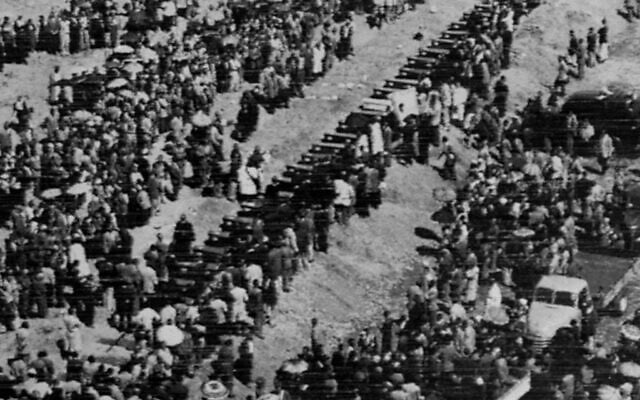
A mass funeral takes place in Sharpeville, South Africa, for victims of the Sharpeville Massacre in which 69 people were killed when police opened fire on black demonstrators protesting against the government’s apartheid policies and the arrest of their leaders, March 30, 1960. (AP Photo)
Feldman, who has extensively researched boycotts, explains that by the early 1970s, boycotts became a central tenet of the global anti-apartheid movement. However, the boycott itself wasn’t enough to dismantle the system.
The real catalyst for change was the gradual weakening of the South African economy. This occurred as companies and banks, responding to mounting pressure, began to withdraw their investments. Crucially, the end of the Cold War also contributed to South Africa’s increasing isolation, accelerating the regime’s downfall.
Understanding the Nuances: What You Need to Know
Here’s a breakdown of key considerations as you navigate this complex issue:
* Boycotts as Protest: Boycotts are a long-established, non-violent method of political protest. They aim to exert economic pressure to influence policy.
* The risk of Oversimplification: Equating all criticism of Israel with antisemitism risks silencing legitimate concerns about human rights and international law.
* Historical Context Matters: The anti-apartheid experience demonstrates that boycotts are most effective when combined with broader political, economic, and diplomatic strategies.
* The Importance of Dialog: Open and honest conversations about the Israeli-Palestinian conflict, free from accusations and generalizations,
Related reading