Ancient Rituals Unearthed: new Discoveries Suggest Widespread Female Sacrifice Among Celtic Tribes
Recent archaeological findings in the United Kingdom are reshaping our understanding of Celtic rituals and social structures. investigations at a Roman-era settlement in Gloucestershire have revealed evidence of multiple human sacrifices, specifically focusing on women and teenage girls. These discoveries, coupled with groundbreaking DNA analysis, are prompting experts to reconsider the prevalence and motivations behind this ancient practice.
A Shift in Understanding Celtic Society
For years, ancient accounts – largely from Roman sources – painted a picture of Celtic society. These accounts suggested a unique emphasis on maternal lineages. Recent genetic research now confirms this, demonstrating that Celtic groups like the Durotriges likely organized themselves around women.
Specifically, DNA analysis reveals that men often moved to their wives’ villages upon marriage, rather than the customary practice of women joining their husband’s families. This matriarchal structure challenges conventional assumptions about ancient social hierarchies.
The Grisly Discoveries at a Roman Settlement
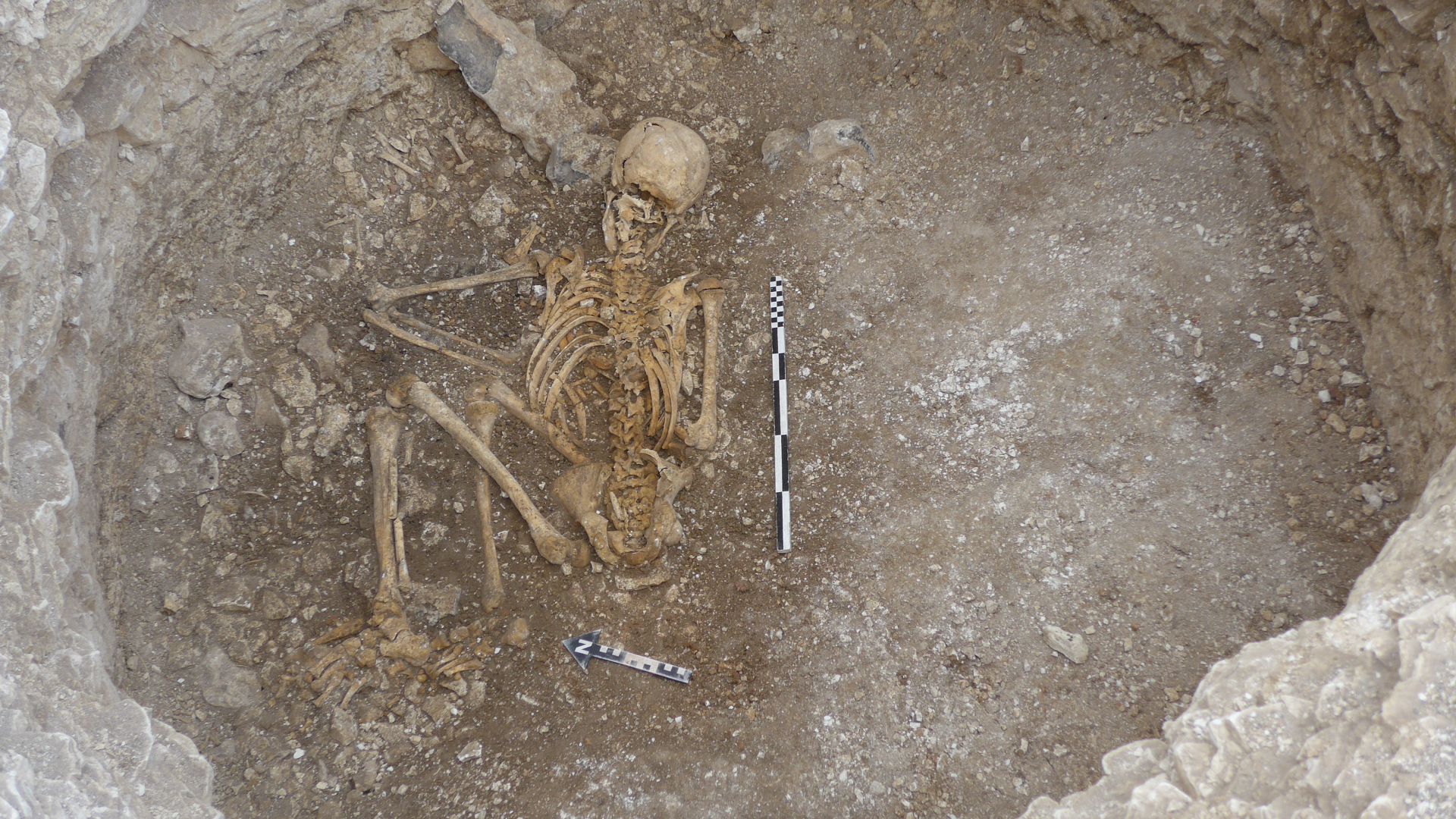
Archaeologists initially discovered a sacrificed woman in 2010 at the Gloucestershire site. Subsequently, two more individuals - teenage girls – were unearthed in 2024 and earlier this year. These remains were found carefully positioned within the remains of a Roman-era settlement, suggesting a intentional ritualistic context.
The positioning of the bodies and initial assessments indicate these individuals were victims of sacrifice. Though, the full extent of the trauma and circumstances surrounding their deaths are still under examination.
Why Women? A Complex Question
Given the Celts’ reverence for maternal relationships, the fact that all three identified sacrifices appear to be female is especially striking. Researchers theorize that these individuals may have occupied a lower social standing. They might have been considered more “disposable,” especially if they were outsiders or unconnected to the ruling families.
It’s important to remember that this is a complex issue with no easy answers. The motivations behind these sacrifices remain shrouded in mystery.
Ongoing Research and Future Insights
Currently, the skeletons discovered in 2024 and this year are undergoing detailed analysis. Researchers plan to examine them for signs of trauma, disease, and dietary habits. They will also attempt to determine the origins of these individuals through isotopic analysis.
this extensive investigation aims to shed light on their identities and their roles in the sacrificial rituals. The discovery of multiple female sacrifices strongly suggests that this practice was far more common than previously believed. however, the specific socio-political and environmental factors that triggered these events remain unknown.
What Does This Mean for Our understanding of the Celts?
These findings are forcing a reevaluation of Celtic beliefs and practices. You can now appreciate a more nuanced picture of a society that valued women in some respects, yet seemingly engaged in brutal rituals involving their sacrifice.
Further research promises to unlock more secrets about these captivating and often misunderstood people. It will help us understand the complex interplay of power, belief, and social structure in the ancient celtic world.
Want to test your knowledge of the Celts? Take our Celtic quiz and see how well you know these fierce tribes once described by Julius Caesar.
Worth a look