
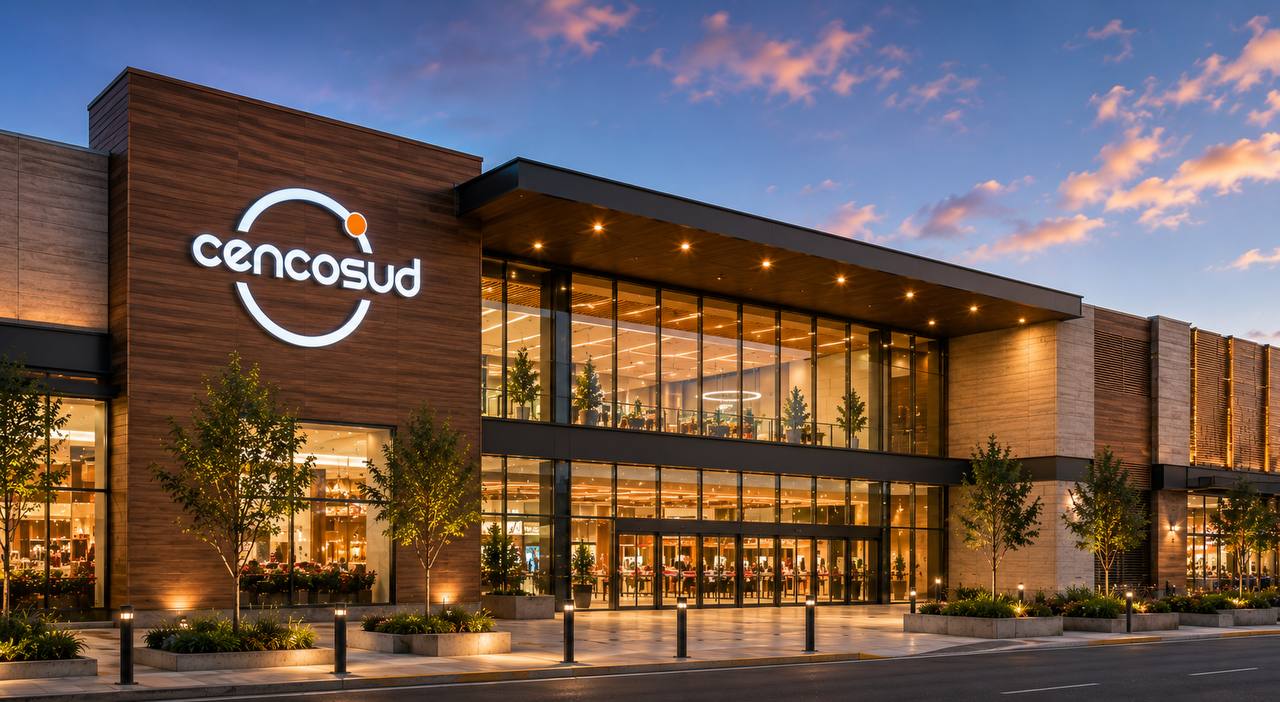
Cencosud is investing $120 million to develop a new shopping center in Peru, with a scheduled opening in 2027. The Chilean retail conglomerate intends to use the project to expand its physical footprint and integrate its diverse portfolio of supermarkets and department stores into a single commercial hub.
The announcement marks a significant capital expenditure for the company as it seeks to capture a larger share of the Peruvian consumer market. According to company statements, the $120 million investment focuses on creating a modern retail environment that combines traditional brick-and-mortar shopping with updated consumer experiences.
This expansion follows a broader corporate strategy to optimize “retail ecosystems,” where Cencosud leverages its various brands—including the Paris department store and the Wong and Metro supermarket chains—to drive cross-traffic between different business units. The 2027 timeline aligns with the company’s long-term growth projections for the Andean region.
Why is Cencosud expanding its mall portfolio in Peru?
Cencosud is shifting toward a model that emphasizes the synergy between its anchor stores and third-party tenants. By owning the shopping center, the company gains greater control over the customer journey and creates a stable environment for its Paris and Wong brands to operate. This vertical integration allows the firm to capture both the rental income from smaller tenants and the direct sales from its own retail operations.
The Peruvian retail market remains a key growth driver for the company. Cencosud’s decision to invest $120 million reflects a bet on the recovery and growth of middle-class consumption in Peru. By developing a new center, the company aims to reduce its reliance on leased spaces in third-party malls and establish a proprietary destination for shoppers.
Industry analysts note that this move mirrors strategies previously employed by Cencosud in Chile and Colombia, where the company developed large-scale commercial centers to house its entire retail ecosystem. The integration of financial services, such as Cencosud Scmi, into these physical locations further enhances the company’s ability to offer consumer credit and loyalty programs on-site.
How does this investment impact the Peruvian retail landscape?
The entry of a new $120 million development will increase competition for existing mall operators in Peru, such as Real Plaza and Mall Plaza. The addition of a high-capacity center by 2027 will likely pressure competitors to renovate existing facilities or accelerate their own expansion plans to maintain foot traffic.
For consumers, the project is expected to bring a concentrated variety of international and local brands under one roof. The focus on “modern retail” suggests the inclusion of sustainable building practices and digital integration, such as “click-and-collect” points, which have become standard in Cencosud’s regional operations.
The project also carries economic implications for local employment. The construction phase leading up to 2027 will generate temporary jobs, while the operational phase will require a permanent workforce for facility management, security, and retail staffing across the various anchor stores.
What is Cencosud’s current financial trajectory in the region?
Cencosud continues to manage a massive operational scale across South America. The company’s financial reports indicate a consistent focus on omnichannel growth, blending e-commerce with physical expansion. The $120 million allocated for the Peruvian center is part of a larger capital investment plan aimed at upgrading aging infrastructure and entering high-growth urban zones.

According to market data from regional exchanges, the company has focused on reducing debt while maintaining aggressive growth in its “Mall” segment. This segment has historically provided a hedge against the volatility of retail sales, as rental contracts offer more predictable cash flows than direct merchandise sales.
The company’s ability to fund this project stems from its diversified revenue streams. By operating across multiple countries—Chile, Argentina, Peru, Colombia, and Brazil—Cencosud mitigates the risk of economic downturns in any single market. The Peruvian investment is viewed as a stabilizing move in a market where the company already holds a strong brand presence through Wong and Metro.
What happens next for the project?
The project now enters the planning and permitting phase. Cencosud must secure final land approvals and environmental clearances before breaking ground. While the $120 million investment is committed, the final design and the specific list of third-party tenants will be determined as the 2027 deadline approaches.

Investors and market watchers will look for updates in the company’s quarterly financial filings regarding the specific location of the center and the progress of construction milestones. Any shifts in the Peruvian macroeconomic environment, such as inflation rates or consumer spending trends, could influence the final scale of the development.
The next confirmed checkpoint will be the company’s upcoming fiscal reports, which typically detail the progress of capital expenditures and the status of major infrastructure projects across its Latin American portfolio.
Do you think the growth of large-scale malls in Peru will impact local small businesses? Share your thoughts in the comments below.