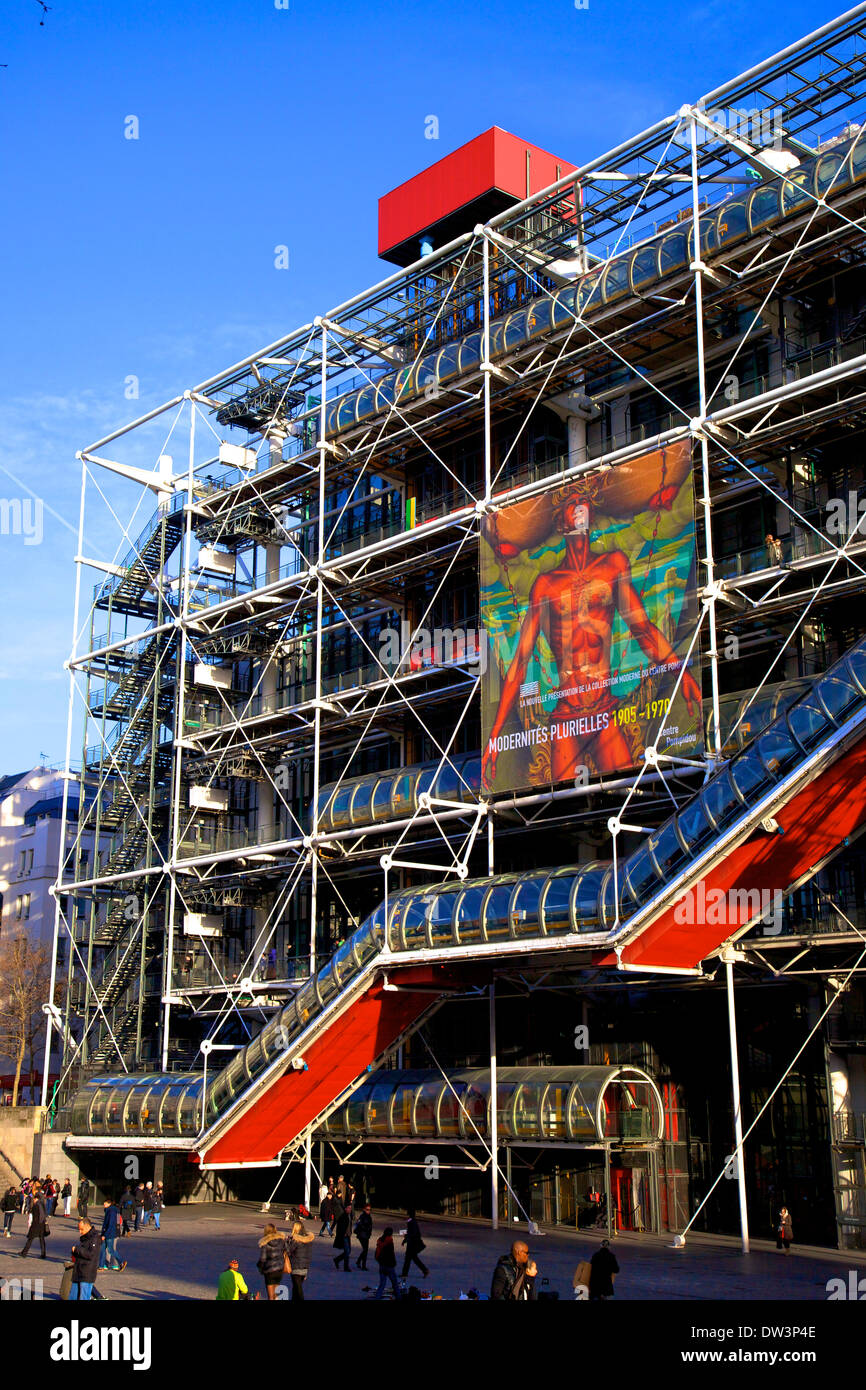
Paris’s iconic Pompidou Center is hosting its first major exhibition dedicated to Korean modern and contemporary art, marking a historic collaboration between France and South Korea that cultural experts say could reshape how global audiences perceive East Asian artistic movements.
The exhibition, titled *Korean Modern: The Art of the 1960s–1980s*, opened on May 14, 2024, and runs through September 8, 2024, featuring over 200 works by 80 artists—including Lee Ufan, Park Seo-Bo, and Ha Chong-Hyun—curated jointly by the Pompidou’s Department of Modern Art and the National Museum of Modern and Contemporary Art (MMCA) in Seoul. According to the Pompidou’s press release, this is the first time the center has devoted an entire retrospective to Korean art, reflecting a broader trend of European institutions seeking to diversify their collections beyond Western canon.
While the exhibition has drawn immediate praise from art critics, its significance extends far beyond Paris’s Marais district. Cultural diplomats and museum professionals describe it as a turning point in Franco-Korean artistic exchange, one that could influence how non-Western modern art is preserved and displayed globally.
Why This Exhibition Matters: A New Chapter in Artistic Diplomacy
The Pompidou Center’s decision to focus on Korean modern art comes at a time when global museums are under pressure to decolonize their collections. According to the Guardian’s 2023 analysis, only 3% of major European museums’ permanent collections feature non-Western modern art, despite growing demand from international audiences. The Korean exhibition addresses this gap by centering works that were previously overlooked in Western narratives.
“This isn’t just about showing Korean art in Europe—it’s about redefining what ‘modern art’ even means,” said Dr. John Hanhardt, curator at the Museum of Modern Art (MoMA), who has advised on similar cross-cultural exhibitions. “The 1960s–1980s in Korea were a period of radical experimentation, much like the European avant-garde, but with distinct political and social contexts that European audiences have rarely seen.”
The exhibition’s timing also coincides with South Korea’s push to strengthen its cultural influence abroad. In 2022, the Korean government launched the *K-Culture Export Support Program*, allocating $120 million to promote Korean arts globally (Hankyung Daily). The Pompidou partnership is seen as a key milestone in that strategy.
What Visitors Will See: A Curated Journey Through Korean Modernism
The exhibition is divided into five thematic sections, each exploring a different facet of Korean modern art’s evolution. According to the Pompidou’s curatorial statement, the sections are:
- 1960s: The Birth of Abstraction – Works by Park Seo-Bo and Kim Whan-ki that emerged during Korea’s rapid industrialization, blending Eastern calligraphy with Western abstract techniques.
- 1970s: Political Undercurrents – Art reflecting the authoritarian regime’s suppression, including Ha Chong-Hyun’s *Earth* series, which used natural materials to symbolize resistance.
- 1980s: Globalization and Identity – A shift toward conceptual art, with Lee Ufan’s *Relational Art* and Kim Tschang-Yeul’s *Ice* paintings challenging Western modernist definitions.
- Minimalism and Monumentality – Large-scale installations by artists like Lee Bul, who later gained international fame.
- Legacy and Reinterpretation – Contemporary Korean artists recontextualizing modernist works for today’s audiences.
The exhibition also includes rare archival materials, such as sketchbooks and correspondence, sourced from the MMCA’s collections. “This is the first time these documents have left Korea,” said MMCA Director Lee Jung-ho. “It’s a chance to see the artistic process behind these iconic pieces.”
How This Exhibition Could Change Global Art History
Art historians warn that the exhibition’s success hinges on two factors: long-term institutional partnerships and public engagement. While the Pompidou has hosted exhibitions on non-Western art before—such as its 2019 *African Metropolis* show—this is the first focused solely on East Asian modernism. “The challenge is ensuring this isn’t a one-off,” said Dr. Mei-Ying Lin, curator at the Asia Society Museum. “European museums need to commit to sustained programming on Asian modern art, not just temporary blockbusters.”
One potential model is the National Gallery of Victoria’s *Asiascape* program, which has integrated Asian art into its permanent collections. The Pompidou’s exhibition could serve as a blueprint for other institutions, particularly as demand for diverse narratives grows. A 2023 survey by the Art Basel Hong Kong found that 68% of collectors now prioritize non-Western modern art, up from 42% in 2018.
Visiting the Exhibition: Key Details for Travelers
The exhibition is located in the Pompidou Center’s Level 5 galleries, adjacent to the museum’s permanent collection of modern art. Tickets cost €15 for general admission, with discounts available for students and seniors. Visitors can purchase tickets online in advance via the Pompidou Center’s official website.
For those planning a trip, Paris’s public transport makes the Pompidou easily accessible. The museum is a 10-minute walk from the Champs-Élysées–Clemenceau metro station (Lines 1, 2, 6, 9, 13), and guided audio tours in English, French, and Korean are available for €5.
Additionally, the exhibition coincides with several related events:
- A symposium on *Korean Modern Art and Global Abstraction*, held on June 20, 2024, featuring speakers from the MMCA and the San Francisco Museum of Modern Art.
- A film series showcasing Korean experimental cinema from the same era, screening in the Pompidou’s cinema from July 1–31.
- Workshops on Korean calligraphy and ink painting, led by Korean artists, running weekly from May 15–September 5.
Beyond Paris: The Future of Korean Art in Europe
The Pompidou’s exhibition is just the beginning. The MMCA has announced plans to bring a selection of the works to Berlin’s Hamburger Kunsthalle in 2025, followed by a tour to the Louvre’s Asian Art Department in 2026. “This is part of a larger initiative to create a ‘Korean Art Circuit’ in Europe,” said Minister of Culture, Sports and Tourism Cho Kyoo-hwan in a May 2024 statement.
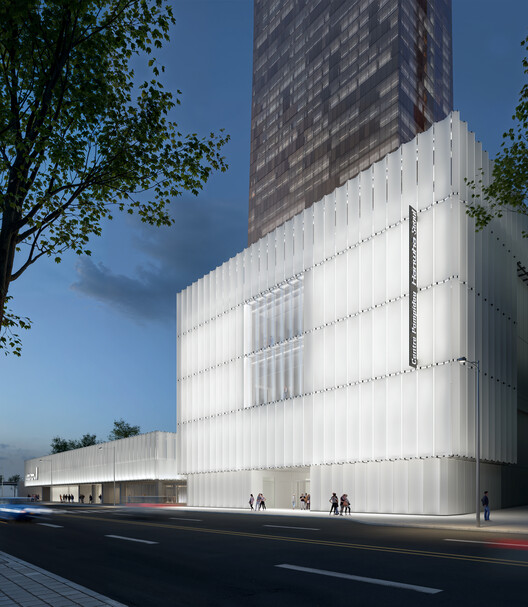
Meanwhile, European institutions are taking note. The Tate Modern has expressed interest in hosting a similar exhibition in 2027, pending further collaborations. “The Pompidou has set a precedent,” said Tate’s Director of International Exhibitions, Sarah Thornton. “If this succeeds, we’ll see more institutions prioritizing non-Western modern art in their long-term planning.”
Have you visited the Pompidou’s Korean exhibition? Share your thoughts in the comments—or let us know if you’ve seen similar cross-cultural art shows in your city. And if you’re planning a trip to Paris, don’t miss our exclusive guide to lesser-known art spaces in the city.
The Pompidou Center’s official exhibition page includes a virtual tour and artist biographies.
“This exhibition is not just about showing Korean art—it’s about rewriting the narrative of modern art itself.”
The exhibition runs until September 8, 2024. The next major cultural event at the Pompidou will be its annual Mediterranean Festival, scheduled for October 2024.
Worth a look